
Frozen pizza can lose its appeal quickly when reheated with the wrong balance of heat and airflow, leaving the crust limp while the toppings overcook. Learning how to reheat frozen pizza helps revive a crisp base, warm the center evenly, and keep the cheese pleasantly melted.
Crust thickness, topping density, reheating method, and starting temperature all influence the outcome. Refer to the TeaKoe guide below for more practical reheating techniques and texture-focused tips.
1. Should You Thaw Frozen Pizza First?
No, you generally should not thaw frozen pizza before reheating or baking it. Keeping it frozen until it reaches the heat helps protect the crust structure and produces a better overall texture.
- Soggy crust prevention: Thawing gives moisture more time to soak into the crust, which can make the base soft or limp. Heating the pizza from frozen helps the crust firm up more effectively.
- Better structure: Fully thawed pizza can become floppy, sticky, and harder to transfer without damaging the shape or shifting the toppings.
- Designed for direct heating: Most commercial frozen pizzas are prepared to go straight from the freezer into a preheated oven or other suitable appliance. Following the package directions usually gives the most consistent balance between a crisp crust, hot center, and melted cheese.
2. How to Reheat Frozen Pizza Step by Step
Getting frozen pizza crisp again depends on giving the crust enough direct heat without overcooking the toppings. Careful spacing, steady temperature, and a brief final rest can help the slice regain a firmer base while keeping the cheese pleasantly melted.
Prepare the slices
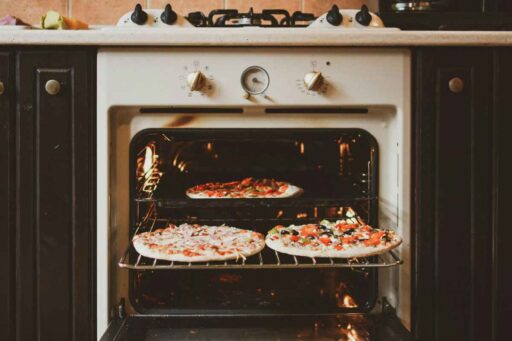
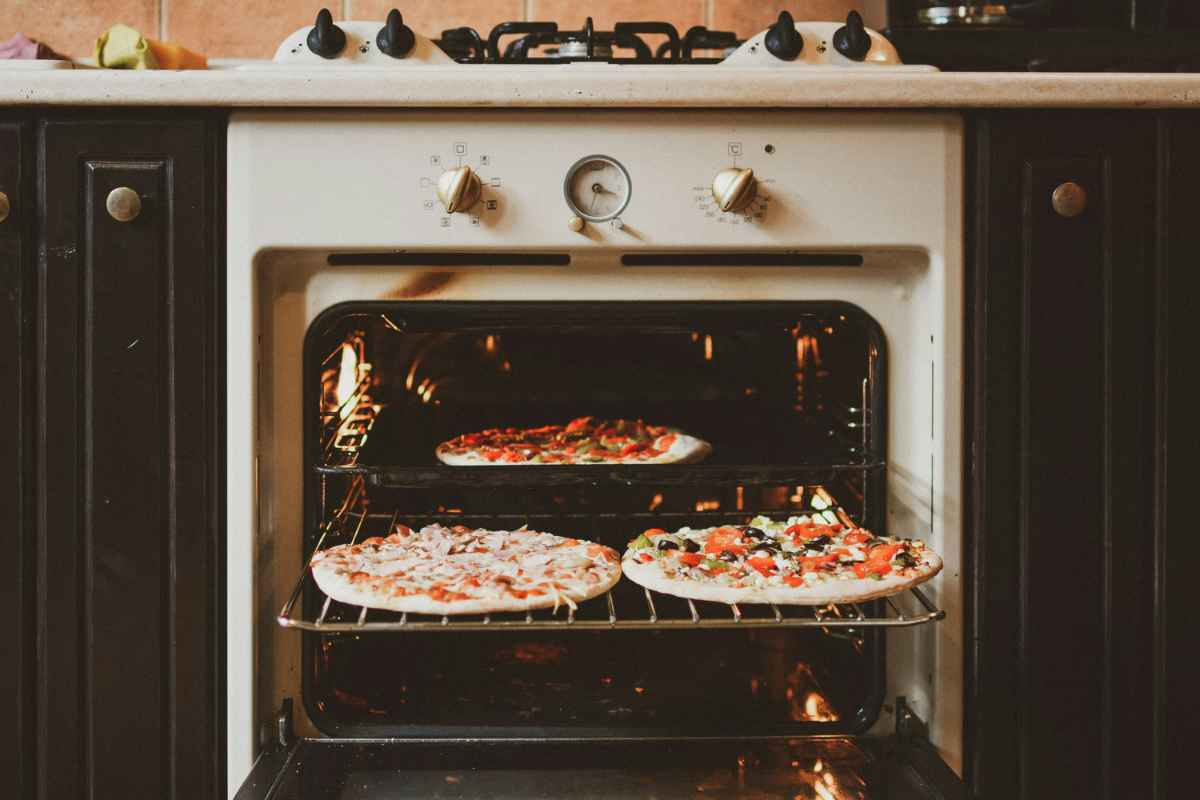
Arrange the frozen slices in a single layer with enough space around each piece for heat to circulate. Avoid stacking or overlapping them, since trapped moisture can soften the crust. Proper placement is the first step toward more even heating and better texture.
Heat until the crust crisps
Use steady heat and allow the bottom crust to firm before removing the pizza. Higher airflow or direct contact with a hot surface can help revive crispness, but avoid excessive temperatures that may burn the edges before the center is fully heated.
Check the cheese
Watch the cheese as the pizza reheats and remove the slices once it is fully melted and hot. Bubbling is a useful visual sign, but do not rely on appearance alone if the toppings are thick. The center should also feel thoroughly heated before serving.
Let the pizza rest briefly
Give the reheated pizza a short rest before cutting or eating it. This allows the cheese to settle slightly while excess steam escapes from the crust. Resting for a minute or two can make the slice easier to handle and help preserve a crisp base.
>>> Read More: How to Reheat Pizza on Stove? 6 Easy Steps for a Crispy Crust Every Time
3. Why Frozen Pizza Sometimes Has a Crispy Bottom but Cold Toppings
Frozen pizza toppings often warm more slowly than the crust because cheese, sauce, and other ingredients form a thicker, colder layer above the base. Meanwhile, the crust receives heat more directly from the pan, rack, or hot air below.
This temperature difference can leave the bottom crisps while the toppings remain cool, so reheating should balance strong base heat with enough time for the top to warm through.
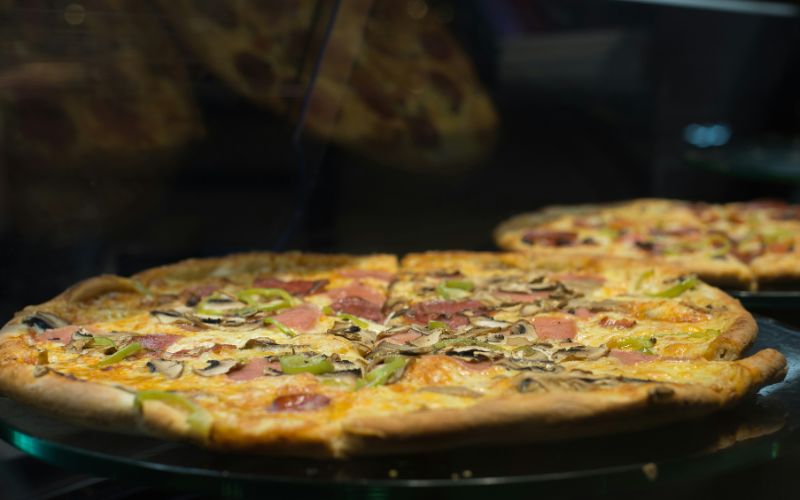
4. Common Mistakes When Reheating Pizza
Frozen pizza can lose its crisp texture quickly when heat, timing, or placement are handled poorly. Avoiding a few common mistakes helps the crust stay firm while the cheese and toppings warm more evenly.
Using Too Much Heat
Very high heat can crisp or burn the crust before the center and toppings are fully warmed. Use a controlled temperature that gives the interior enough time to heat through without drying the edges or scorching the bottom.
Overcrowding the Pan or Basket
Placing slices too close together restricts airflow and traps steam around the crust. This can make the bottom softer and cause uneven heating. Leave some space between slices so hot air can circulate more freely and each piece reheats at a similar rate.
Removing the Pizza Too Early
A crisp-looking crust does not always mean the toppings are ready. Thick cheese, sauce, or dense toppings may still be cool in the center, so check both the base and the top before serving instead of judging doneness from the crust alone.
Ignoring Excess Moisture
Frozen toppings can release moisture as they heat, especially when the pizza has a generous layer of sauce or vegetables. Poor moisture control can soften the crust, so use a method that allows steam to escape rather than trapping it underneath the slice.
Skipping the Brief Rest
Eating the pizza immediately can leave the cheese overly loose and the crust affected by trapped steam. Letting the slice rest for a minute or two helps excess moisture escape, allows the cheese to settle, and keeps the base firmer when you take the first bite.
5. Frequently Asked Questions About Reheating Frozen Pizza
Reheating frozen pizza can vary depending on crust style, topping thickness, and how long the slices have been stored. These common questions cover stuffed crust, doneness cues, and freezer storage, so the pizza reheats more safely and keeps a better texture.
Can stuffed-crust pizza be reheated from frozen?
Yes, stuffed-crust pizza can be reheated directly from frozen without thawing first. Because the crust is thicker and contains cheese or another filling, it needs more time for the heat to reach the center evenly.
Use moderate heat and check the middle carefully so the filling becomes hot while the exterior stays crisp rather than burning.
How do you know when frozen pizza is fully reheated?
The cheese should be melted, the toppings should be hot, and the crust should feel crisp without becoming overly dark. Check the center as well, since thick toppings can stay cooler even when the edges already look ready.
How long can leftover pizza stay frozen?
For the best quality, leftover pizza is usually best eaten within about 1 to 2 months when stored properly in the freezer. In line with standard leftover safety guidelines, it can remain safe indefinitely if kept continuously frozen at 0°F, though flavor, crust texture, and topping quality may gradually decline over time.
6. Final Thoughts
Crispy frozen pizza comes back best when the crust receives steady heat while the cheese and toppings have enough time to warm through. TeaKoe offers practical kitchen guidance for getting more from frozen and leftover favorites.
Following how to reheat frozen pizza carefully helps prevent soggy bases, cold centers, and overcooked toppings while bringing each slice closer to that freshly baked texture.