
Leftover chicken wings often lose their crisp texture after spending a night in the refrigerator, but that does not mean they have to become a disappointing meal. Learning how to reheat wings correctly can help restore a lightly crisp exterior while keeping the meat tender and evenly warmed.
The best technique depends on your available appliance, the type of coating, and how quickly you want to eat. Below are five practical methods for reviving sauced, dry-rubbed, breaded, and plain wings.
1. What’s the Best Way to Reheat Wings?
The air fryer usually delivers the crispiest results in the shortest amount of time, while the oven is better for larger portions.
A microwave offers speed, but it may soften the skin. Meanwhile, stovetop and toaster oven methods provide useful alternatives when other appliances are unavailable.
Whichever method you choose, the thickest part of the wings should reach 165°F before serving.
No matter which appliance you prefer, success always comes down to balancing moderate heat with enough cooking time to warm the meat without drying it out.
The USDA’s food safety guidance recommends reheating leftovers to this temperature and checking them with a food thermometer.
Reheat Wings in an Air Fryer
Preheat the air fryer to 350°F. Arrange the wings in a single layer, leaving a little space between each piece so hot air can circulate properly. Heat them for five to eight minutes, turning or shaking the basket halfway through.
For extra-crispy skin, increase the temperature to 375°F during the final one or two minutes. Avoid adding excess oil because most cooked wings already contain enough fat to crisp naturally.
Reheat Wings in the Oven
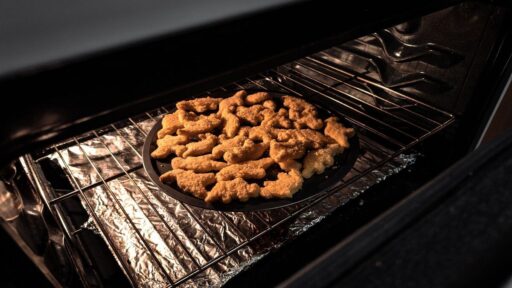
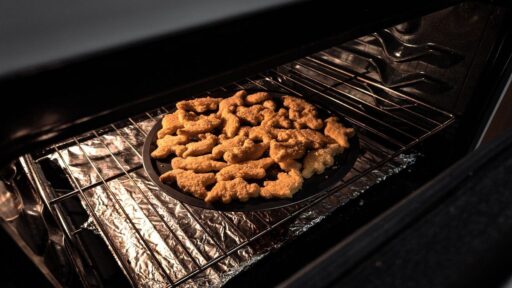
The oven is the most reliable option for reheating a large batch. Preheat it to 350°F and place the wings on a wire rack set over a lined baking sheet. The rack allows heat to reach both sides and prevents the bottoms from sitting in grease or sauce.
Bake for 10 to 15 minutes, flipping once. Very large or cold wings may need an additional three to five minutes.
Reheat Wings in the Microwave
Place the wings on a microwave-safe plate and cover them loosely with a slightly damp paper towel. Heat at medium power for 30 seconds, turn the pieces, and continue in 20- to 30-second intervals until hot.
Microwaves can heat food unevenly and generally do not create a browned, crispy surface, as explained in the USDA guide to microwave cooking. For better texture, move the microwaved wings to a hot skillet or air fryer for one to two minutes.
Reheat Wings on the Stovetop
Heat a small amount of cooking oil in a skillet over medium-low heat. Add the wings in one layer and cover the pan for approximately two minutes. Turn each wing, remove the lid, and continue cooking for another three to five minutes.
Keep the temperature moderate, especially with sugary BBQ sauce, because the coating can burn before the meat becomes hot.
Reheat Wings in a Toaster Oven
A toaster oven works well for one or two servings. Preheat it to 350°F and arrange the wings on a foil-lined tray without overlapping them. Heat for eight to twelve minutes, turning halfway through.
Check the wings frequently near the end because toaster ovens have smaller heating chambers and may brown food faster than full-size ovens.
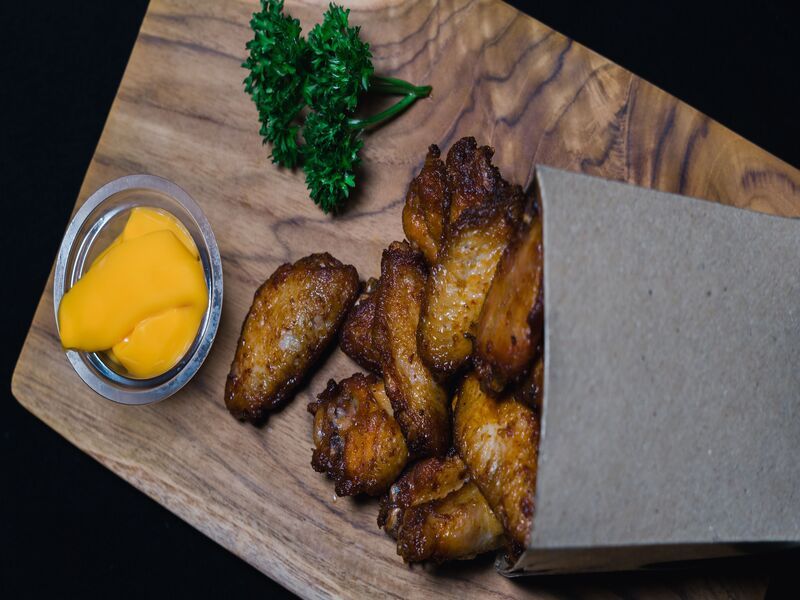
2. How to Reheat Wings Based on Sauces and Coatings?
Sauce, seasoning, and breading all respond differently to heat. Adjusting the method to match the coating can prevent burnt sauce, faded seasoning, or soggy breading.
Wet Sauced Wings: Buffalo and BBQ
Buffalo wings usually reheat well at 350°F because their butter-based sauce remains flexible. BBQ wings require more attention because sugar can darken or burn quickly.
Use moderate heat and save additional sauce until the wings are fully warmed. Tossing them in a small amount of fresh sauce immediately before serving restores flavor without creating a sticky, overheated coating.
Dry-Rub Wings: Lemon Pepper and Cajun
Dry-rub wings are excellent candidates for an air fryer or oven because there is little surface moisture to soften the skin. Heat them uncovered and avoid applying more seasoning at the beginning.
After reheating, taste one wing before adding extra lemon pepper, Cajun seasoning, or salt. Existing flavors often become more concentrated as moisture evaporates.
Breaded and Fried Wings
Breaded wings need strong air circulation, making an air fryer, oven, or toaster oven the best choice. Place them on a rack or in a spaced-out single layer and keep them uncovered.
Do not microwave them unless speed is the priority. Trapped steam can soften the breading and separate it from the meat.
>>> Read More: How to Reheat Biscuits Without Losing Their Flaky Layers?
3. How Long Should You Reheat Wings?
Timing varies according to wing size, quantity, appliance strength, and starting temperature. Using the correct reheating time is just as important as choosing the right appliance because both factors influence crispness and juiciness.
Air Fryer Time
Reheat refrigerated wings at 350°F for five to eight minutes. Larger drumettes may need eight to ten minutes.
Oven Time
Bake the wings at 350°F for 10 to 15 minutes. A crowded tray or large batch may require up to 20 minutes.
Microwave Time
Microwave two to four wings for approximately one to two minutes, using short intervals and turning them frequently.
Stovetop Time
Heat the wings for five to eight minutes over medium-low heat, turning them several times to prevent scorching.
Toaster Oven Time
Allow eight to twelve minutes at 350°F. Begin checking early if the wings are small or heavily breaded.
Before eating, confirm that the center reaches 165°F. The USDA also advises inserting the thermometer into the thickest part without touching the bone for a more accurate reading.
4. Common Mistakes That Ruin Reheated Wings
Even the best appliance cannot compensate for poor arrangement or excessive heat. Avoiding the following mistakes will improve both texture and flavor.
Overcrowding the Basket or Tray
Crowded wings release moisture that becomes trapped between the pieces. Instead of crisping, the skin steams and remains soft. Arrange them in one layer and reheat multiple batches when necessary.
Reheating at High Heat
Extreme heat may burn the exterior while leaving the center cool. A temperature between 350°F and 375°F provides enough heat to crisp the skin gradually without drying out the meat.
Adding Extra Sauce Too Early
Fresh sauce can prevent the surface from becoming crisp, while sugary coatings may caramelize too quickly. Reheat the wings first and apply extra sauce during the final minute or immediately before serving.
Reheating More Than Once
Repeated heating causes the meat to lose moisture and can create food-safety concerns when leftovers repeatedly move between warm and cold temperatures. Reheat only the portion you plan to eat and leave the rest refrigerated.
Conclusion
Choosing how to reheat wings depends on whether you prioritize speed, crispness, or convenience. The air fryer is ideal for fast, crispy results, while the oven handles larger batches more evenly. A skillet or toaster oven works well for smaller portions, and the microwave remains useful when time is limited.
Match the method to the coating, avoid overcrowding, use moderate heat, and confirm a temperature of 165°F to enjoy wings that are hot, flavorful, and pleasantly crisp.