

Leftover rice can become dry, firm, and clumpy in the refrigerator, but a microwave is far from the only way to revive it. Learning how to reheat rice without a microwave gives you several practical options that restore moisture while keeping the grains separate and tender.
For more useful leftover techniques and kitchen guidance, explore the related articles from TeaKoe.
1. How to Reheat Rice Without a Microwave? 4 Other Ways
How to reheat rice without a microwave? Gentle heat and controlled moisture matter more than the appliance you use when bringing cooked rice back to life.
Stovetop
Stovetop reheating is one of the most reliable choices because steam can loosen refrigerated grains without making them overly wet.
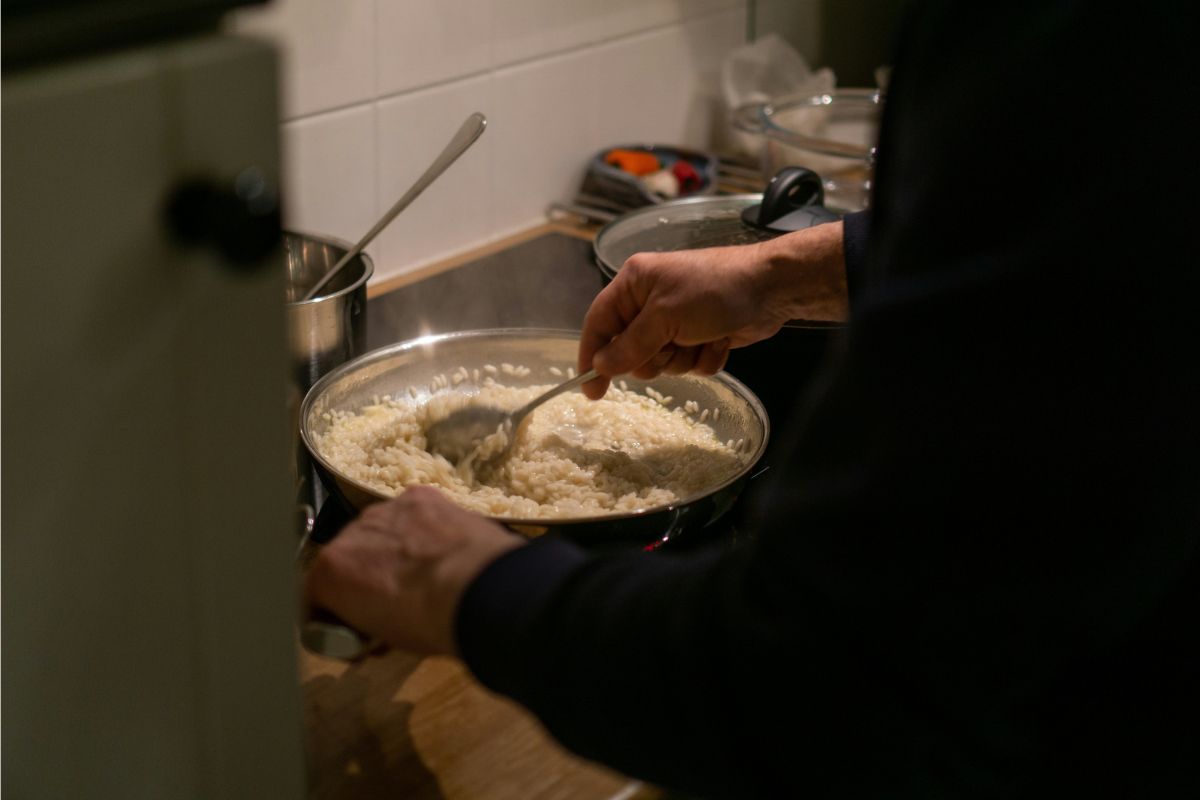
When learning how to reheat rice without a microwave, start by breaking up large clumps with a fork, then spread the rice evenly in a shallow pan.
Add a few tablespoons of water or broth, cover tightly, and heat over low heat for about five minutes. Checking and fluffing the rice afterward, then adding another small splash of liquid and heating briefly if the center is still cool.
Oven
Oven reheating works especially well when you need to warm several servings at once rather than a single bowl.
Spread the refrigerated rice across a baking dish or tray and break apart dense clumps so the heat can move through it evenly. Add roughly two tablespoons of water, then cover the dish tightly with foil to trap steam.
Steamer
Steam provides moisture without requiring the rice to sit directly in added liquid, making this method useful for preserving separate grains.
Place the leftover rice in a heatproof bowl or steamer-safe container and break up any large clumps before setting it inside the steamer.
Cover and let the rice warm over gently steaming water, stirring or fluffing once during the process if the portion is large. Add only a small splash of water to particularly dry rice before steaming.
Skillet
Skillet reheating gives you more control over texture and can be especially useful when you want slightly toasted grains instead of purely steamed rice.
Add the cold rice to a skillet with a small splash of water, broth, or a little cooking fat, then break apart compacted sections with a spatula.
Cover the skillet briefly over medium-low heat so trapped steam warms the center. Remove the lid and stir once the rice has softened, allowing excess moisture to evaporate.
2. How to Keep Reheated Rice Fluffy and Moist
Now that you know how to reheat rice without a microwave, keep in mind that properly reheated rice should feel tender and moist without becoming sticky or waterlogged.
- Break up clumps first: Use a fork or spatula to separate compacted grains before heating so moisture and heat can circulate more evenly.
- Add water gradually: Start with only a small splash rather than pouring in a large amount.
- Keep the rice covered: A lid or foil traps steam, helping dry refrigerated grains absorb moisture while they warm.
- Use low to moderate heat: Aggressive heat can dry the surface or scorch the bottom before the center becomes hot.
- Spread large portions evenly: A shallow, even layer heats more consistently than a deep mound of tightly packed rice.
- Fluff instead of stirring aggressively: Once heated, loosen the grains gently with a fork to separate them without breaking or crushing them.
- Reheat only until hot: Continuing to cook already-heated rice removes moisture and can make the texture increasingly firm or sticky.
- Serve promptly: Rice is at its best soon after reheating, while the steam is still helping the grains remain soft and separated.
3. Keep These Mistakes Out of Your Leftover Rice
Reheating rice is simple, but small errors with moisture, temperature, and timing can quickly spoil the texture.
Adding Too Much Water
Extra moisture is useful, but rice does not need to be submerged or heavily soaked before reheating.
Too much liquid can make the grains swell excessively and stick together. Begin with a few tablespoons, cover the pan or dish, and let steam do most of the work before deciding whether more moisture is necessary.
Using High Heat
Turning up the burner may seem like a shortcut, but the bottom layer can scorch while the middle remains cool. Gentle heat gives steam time to move through the rice and soften dry grains.
Leaving Large Clumps Intact
Cold rice often sticks together after refrigeration, and heating those dense clumps without separating them can create uneven temperatures.
Break them apart before reheating so steam reaches more of the surface. Fluffing again during or after heating also helps restore a lighter, more separated texture.
Heating Rice Uncovered
Leaving rice exposed allows valuable steam to escape and can make already-dry grains even firmer.
Cover stovetop pans with a lid and oven dishes with foil while most of the reheating takes place. Trapped steam provides moisture while helping heat penetrate the center more evenly.
Reheating the Same Rice Repeatedly
Repeated heating and cooling can hurt both quality and food safety. Reheat only the portion you intend to eat rather than warming the entire batch multiple times.
Reheating cooked rice only once and making sure it is steaming hot throughout before serving.
>>> Read More: How to Reheat Rice in Microwave and Keep It Fluffy
4. Rice Reheating Questions Beyond the Microwave
How to reheat rice without a microwave? Different methods can produce slightly different textures, especially when rice starts out very dry or frozen.
How do you make refrigerated rice fluffy again?
Break apart compacted grains, add a small amount of water or broth, and reheat the rice covered over gentle heat. Steam helps rehydrate dry grains, while fluffing with a fork afterward separates them and restores a lighter texture.
How much water should you add when reheating rice?
About two tablespoons of water per cup of rice is a useful starting point for stovetop reheating, though very moist rice may need less. Add liquid gradually because too much can leave the grains soft and mushy rather than fluffy.
Is stovetop or oven better for reheating rice?
Stovetop reheating is usually more convenient for one or two servings and gives you quick control over moisture. The oven is better suited to larger batches because the rice can be spread across a covered dish and warmed evenly without constant stirring.
Can you reheat frozen rice without a microwave?
Yes. Frozen leftovers can generally be reheated safely without thawing first, though they take longer to heat through; covered oven or stovetop methods work well when moisture is added gradually.
In accordance with the official USDA safe food temperature chart, whatever method you use, leftovers should reach 165°F before serving.
Is broth better than water for reheating rice?
Both work for restoring moisture, but broth can add extra flavor while the grains warm. Water is better when you want the rice to keep its original taste, while lightly seasoned broth can complement rice that will be served with savory dishes.
5. Final Thoughts
Mastering how to reheat rice without a microwave comes down to gentle heat, controlled moisture, and proper timing. Stovetop, oven, steamer, and skillet methods can all restore fluffy texture without drying out the grains.
Cover the rice, add liquid gradually, and avoid repeated reheating. For more practical leftover solutions and everyday kitchen guidance, explore TeaKoe.