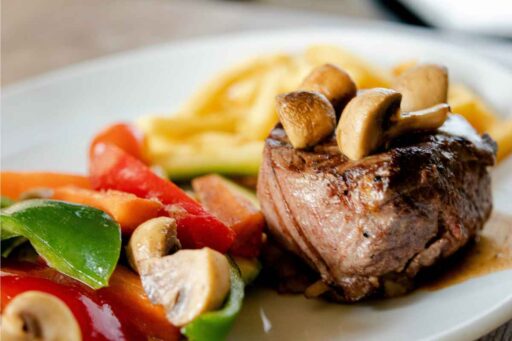
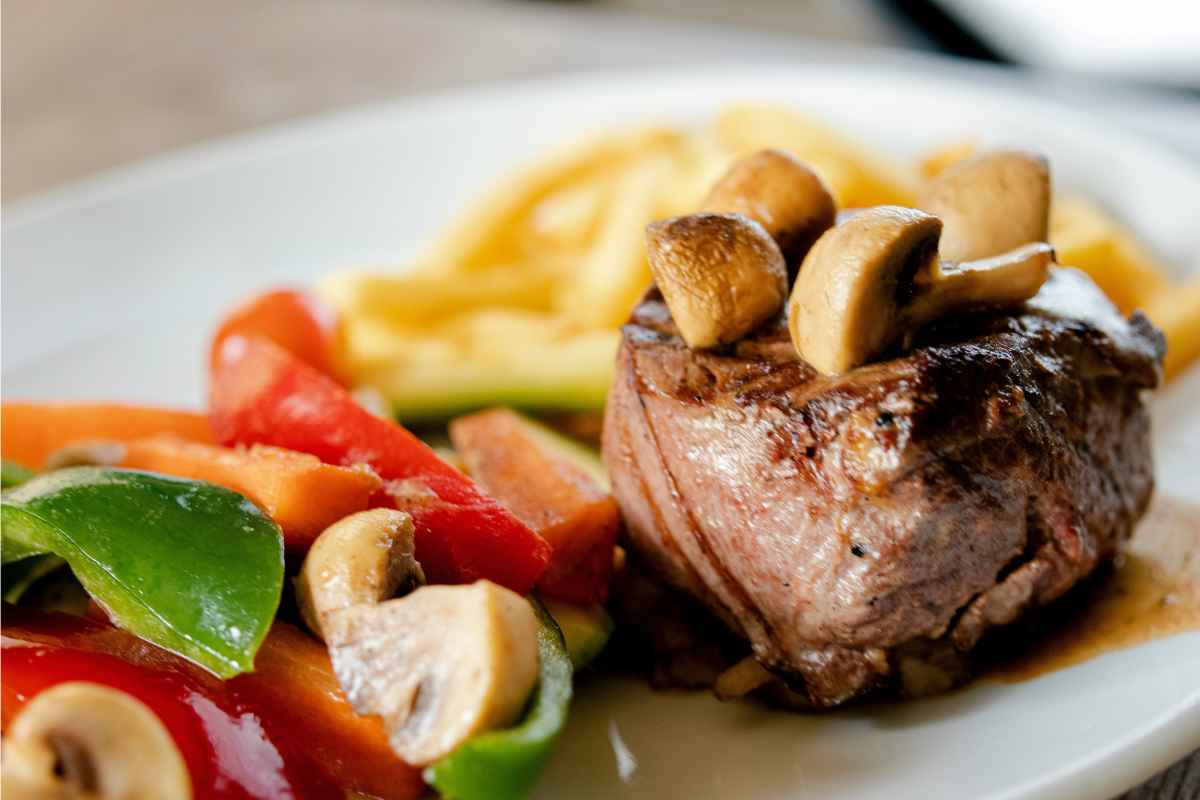

Filet mignon can become dry or overcooked when reheated too quickly, especially because its lean texture contains less fat than many other steak cuts. Understanding how to reheat filet mignon helps preserve its tender center, original doneness, and rich flavor.
This guide covers gentle reheating methods, temperature guidance, serving finishes, and storage questions. Refer to TeaKoe’s detailed article below for more practical kitchen advice.
1. Can Filet Mignon Be Reheated without Overcooking?
Yes, filet mignon can be reheated without overcooking when low, gentle heat is used. The goal is to warm the center gradually before the exterior dries out or the doneness changes.
A low-temperature oven works well for most portions, while a controlled water bath offers greater precision for maintaining tenderness and an evenly warmed interior.
2. How to Reheat Filet Mignon with Detailed Steps
Gentle reheating protects the steak’s delicate texture and reduces the chance of turning a tender filet into a dry, firm piece of meat. Slow warming followed by a brief sear can restore both internal heat and a flavorful exterior.
- Remove the steak from the refrigerator: Let the fillet rest at room temperature for about 15 to 20 minutes. This reduces the temperature difference between the center and surface.
- Preheat the oven: Set the oven to 250°F (120°C). Lower heat warms the steak more evenly and gives you better control over the final doneness.
- Prepare the filet: Place the steak on a wire rack set over a baking sheet. Brush it lightly with melted butter, beef broth, or oil to reduce surface dryness.
- Warm it slowly: Heat the filet for about 20 to 30 minutes, depending on thickness and starting temperature. Begin checking early to avoid overcooking.
- Monitor the center: Use an instant-read thermometer in the thickest section. Remove the steak several degrees before the desired serving temperature because residual heat will continue warming it.
- Rest briefly: Let the filet sit for 3 to 5 minutes after leaving the oven. Resting allows the temperature to settle more evenly throughout the meat.
- Sear the exterior if desired: Heat a skillet until hot, add a small amount of oil or butter, and sear each side for 30 to 60 seconds.
- Serve immediately: Transfer the filet to a warm plate and add any final seasoning, butter, or herbs just before serving.
3. Reheating Guidelines by Doneness: Rare, Medium-Rare, and Medium
Different doneness levels require different stopping points because even a few extra degrees can noticeably change filet mignon.
| Original Doneness | Suggested Reheating Target | Recommended Approach | Key Consideration |
|---|---|---|---|
| Rare | 110-120°F | Use very low oven heat or a controlled water bath. | Check frequently because rare steak can move toward medium-rare quickly. |
| Medium-rare | 120-130°F | Warm slowly at 250°F, then finish with a brief sear. | Remove the steak before it reaches the final desired temperature. |
| Medium | 130-140°F | Use low oven heat and allow slightly more warming time. | Avoid prolonged exposure, which can push the center toward medium-well. |
>>> Read More: How to Reheat Pork Chops While Keeping Every Bite Juicy
4. Steakhouse Finishing Touches That Make a Difference
Small finishing details can restore flavor, moisture, and presentation after the filet has been reheated. These additions should support the steak’s natural tenderness rather than cover it with heavy seasoning or excessive sauce.
Adding Compound Butter and Fresh Herbs
Compound butter adds richness and moisture while introducing flavors such as garlic, parsley, thyme, or rosemary. Place a small portion on top of the warm filet after reheating so it melts gradually across the surface.
Use a modest amount to enhance the meat rather than overpower its mild, buttery flavor.
Finishing with Flaky Sea Salt
Flaky sea salt adds light crunch and a concentrated burst of seasoning that works especially well on a freshly seared surface. Sprinkle it over the filet just before serving rather than during reheating, since early seasoning may draw moisture from the exterior.
A small pinch is usually enough, particularly if the steak was already seasoned during its original cooking. Pair it with freshly ground black pepper for a simple steakhouse-style finish.
Serving on Warm Plates
Warm plates help the filet retain heat after reheating, especially when the portion is small or sliced before serving. Place oven-safe plates in a low oven briefly, or rinse them with hot water and dry them thoroughly.
Avoid plates that are excessively hot, since they may continue cooking the steak’s bottom surface.
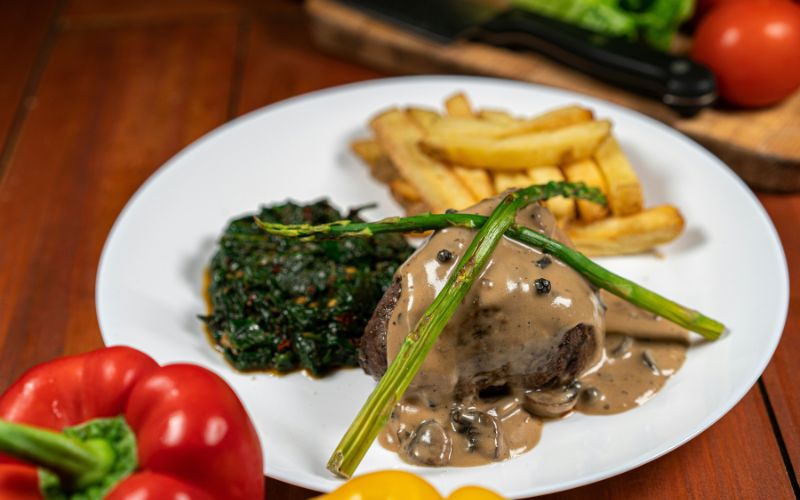
5. Frequently Asked Questions About Reheating Filet Mignon
Filet mignon responds best to gentle heat, but slicing, freezing, butter use, and repeated reheating can all affect texture.
Can sliced filet mignon be reheated the same way?
Sliced filet mignon reheats much faster than a whole steak and can dry out more easily. Warm the slices briefly in a covered skillet over low heat with a small amount of broth, butter, or sauce rather than placing them in the oven for a long period.
Should butter be added before or after reheating?
A light coating of butter before reheating can help protect the surface from dryness. Adding compound butter after reheating provides more noticeable flavor and a glossy finish without exposing the butter to prolonged heat.
Can filet mignon be frozen after cooking?
Yes. Cooked filet mignon can be frozen for later use. USDA answers state that frozen beef remains safe indefinitely when continuously frozen, although cooked beef is best used within two to three months for optimal quality.
Can filet mignon be reheated more than once?
Repeated reheating can make filet mignon increasingly dry and raise food-safety concerns if it moves through unsafe temperatures multiple times. Reheat only the amount you plan to eat and keep the remaining portion refrigerated until needed.
6. Final Thoughts
Slow, controlled heat gives filet mignon the best chance of staying tender, evenly warmed, and close to its original doneness. Mastering how to reheat filet mignon means checking the center early, avoiding aggressive temperatures, and finishing with a brief sear or flavorful butter.
Warm plates, fresh herbs, and light seasoning can further improve the result. Explore more practical reheating guidance from TeaKoe for better leftovers and more satisfying meals.