

Crawfish can lose moisture and turn rubbery when reheated with harsh heat or too little steam. This guide on how to reheat crawfish explains how to warm leftovers gently, protect the seasoning, and keep the meat tender inside the shells.
For more practical seafood leftover tips, refer to TeaKoe’s guide below and bring every batch back juicy, fragrant, and full of flavor.
1. Why Crawfish Is Tricky to Reheat?
Crawfish needs gentle reheating because the meat is small, delicate, and already fully cooked.
- Small pieces cook fast: Crawfish meat is tiny compared with shrimp, crab, or lobster, so it can overheat quickly. Even a few extra minutes may make the texture firm or chewy.
- Shells hold heat unevenly: The shells can warm before the meat inside reaches the right temperature.
- Moisture escapes easily: Leftover crawfish can dry out during storage. Reheating without steam, broth, or a little liquid can make the meat lose its juicy bite.
- Seasoning can become too strong: Boiled crawfish often carries salt, spices, butter, or Cajun seasoning.
- Harsh heat toughens the meat: Direct high heat can make crawfish rubbery instead of tender. Gentle steaming or low, moist reheating helps protect both flavor and texture.
2. How to Reheat Crawfish Based on What You Have Left?
Whole crawfish and peeled tails need different reheating methods because they keep moisture differently.
Method 1: How to Reheat Whole Crawfish (The Steaming or Skillet Method)
Whole crawfish reheat best with moist heat because the shells help hold flavor but can also make the meat dry if overheated.
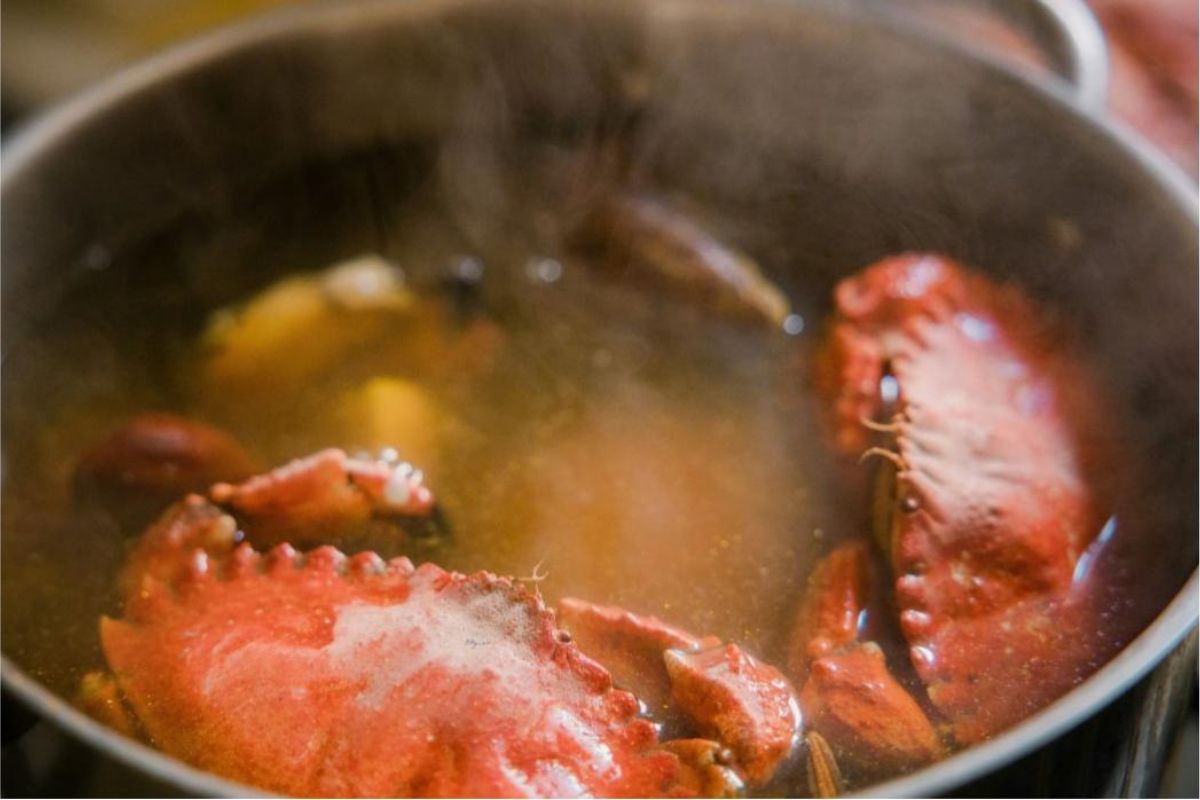
- Add liquid first: Pour a small amount of water, broth, seafood boil liquid, or beer into a pot or skillet.
- Bring to a gentle steam: Heat the liquid until it starts steaming, not boiling aggressively.
- Add the crawfish: Place whole crawfish in a steamer basket or directly into the skillet.
- Cover tightly: Trap steam so the shells warm evenly and the meat stays moist.
- Reheat briefly: 4 to 6 minutes is usually enough for chilled whole crawfish.
- Toss gently: Shake the pot or stir lightly so the seasoning spreads evenly.
- Serve hot: Remove once warmed through and enjoy immediately before the meat dries out.
Method 2: How to Reheat Peeled Crawfish Tails Safely
Peeled crawfish tails need extra care because they no longer have shells to protect the meat from heat. They are best reheated gently in butter, sauce, broth, or another moist dish, so they stay tender instead of becoming tough.
- Use low heat: Start with a skillet or saucepan over low to medium-low heat.
- Add moisture or fat: Melt butter; add broth, cream sauce, or a small splash of cooking liquid.
- Add crawfish tails last: Since the tails are already cooked, they only need to warm through.
- Stir gently: Move them slowly through the liquid, so they heat evenly without breaking apart.
- Reheat briefly: Warm for 2 to 4 minutes, just until hot.
- Avoid boiling: Strong heat can make peeled tails rubbery and dry.
- Use right away: Add them to pasta, rice, soup, étouffée, or sauce and serve while warm.
Method 1: How to Reheat Whole Crawfish (The Steaming or Skillet Method)
Whole crawfish reheat best with gentle moisture because the shells help hold seasoning, but can also hide how quickly the meat warms.
- Add a little liquid: Pour water, broth, seafood boil liquid, or beer into a pot or skillet.
- Heat until steaming: Warm the liquid until it produces gentle steam, not a hard boil.
- Add the crawfish: Place whole crawfish in a steamer basket or directly in the skillet.
- Cover tightly: Keep the lid on so steam surrounds the shells and warms the meat evenly.
- Reheat briefly: Warm for about 4 to 6 minutes, depending on the amount, ensure that the reheated crawfish reaches an internal temperature of 165°F before serving.
- Toss gently: Shake the pot or stir lightly to refresh the seasoning.
- Serve right away: Remove once hot and enjoy before the meat dries out.
Method 2: How to Reheat Peeled Crawfish Tails Safely
Peeled crawfish tails need softer heat because the meat has no shell to protect it.
- Start with low heat: Use a skillet or saucepan over low to medium-low heat.
- Add moisture or fat: Melt butter; add broth, cream sauce, or a small splash of cooking liquid.
- Add tails near the end: Crawfish tails are already cooked, so they only need gentle warming.
- Stir carefully: Move the tails through the liquid slowly so they heat evenly.
- Reheat for 2 to 4 minutes: Stop once the tails are hot throughout.
- Avoid boiling: Strong heat can make the meat tough, dry, or rubbery.
- Serve immediately: Add to pasta, rice, soup, étouffée, or sauce while warm.
>>> Read More: How to Reheat Salmon Without Drying It Out or Losing Flavor
3. Common Mistakes to Avoid When Reheating Seafood Leftovers
Seafood leftovers need gentle heat, moisture, and careful timing because they can change texture faster than heavier meats.
Reheating With Too Much Heat
High heat can make seafood tough before the inside is evenly warm. Crawfish and other shellfish are already cooked, so they only need gentle reheating.
Use steam, low heat, or short warming times instead of boiling hard, frying aggressively, or blasting leftovers in the microwave.
Skipping Moisture
Seafood can dry out quickly when reheated without steam, broth, butter, or sauce. Moisture helps protect the meat and keeps the texture tender.
For whole crawfish, a little liquid in the pot or skillet works well, while peeled tails do better in butter, broth, or sauce.
Reheating Too Long
Overheating seafood is one of the easiest ways to lose flavor and tenderness. Even a few extra minutes can make crawfish tails firm, dry, or rubbery.
Warm leftovers only until hot, then remove them from the heat right away and serve immediately.
4. How to Make Leftover Crawfish Better
Leftover crawfish can become more than a simple reheated seafood plate when you pair it with sauce, starch, or creamy ingredients.
Crawfish Étouffée
Crawfish étouffée is one of the best ways to reuse peeled tails because the rich sauce protects the meat from drying out.
Start with a buttery roux, onions, bell peppers, celery, broth, and Cajun seasoning, then add the crawfish near the end.
Crawfish Pasta
Crawfish pasta turns leftovers into a creamy, filling meal with very little effort. Warm garlic, butter, cream, or tomato sauce first, then stir in the crawfish just before serving.
Avoid boiling the tails in sauce too long because they only need enough heat to become warm and tender.
Seafood Rice Bowls
Seafood rice bowls are great for turning leftover crawfish into a quick lunch or dinner. Start with warm rice, then add crawfish, sautéed vegetables, corn, green onions, or a light Cajun sauce.
The rice catches the seasoning and juices, while the vegetables add freshness so the bowl feels balanced instead of heavy.
Cajun Mac and Cheese
Cajun mac and cheese gives leftover crawfish a creamy, comforting base. Fold warmed crawfish tails into cheese sauce, pasta, and Cajun seasoning, then top with breadcrumbs or extra cheese if desired.
Add the crawfish near the end so the meat stays soft while the pasta and sauce carry the bold seafood flavor.
5. Final Words
Crawfish can stay juicy, fragrant, and flavorful when you reheat them with gentle moisture instead of harsh direct heat. Whole crawfish work best with steam or a covered skillet, while peeled tails need butter, broth, sauce, or another moist base to protect the texture.
Good reheating means watching the timing, avoiding boiling, and stopping as soon as the meat is hot. Leftovers can also become étouffée, pasta, rice bowls, or Cajun mac and cheese for a fresh meal. For more practical seafood tips, TeaKoe’s guide on how to reheat crawfish can help every batch taste tender and well-seasoned again.