

Bread can lose moisture and texture quickly, but the right reheating method can bring back a crisp crust and soft interior without drying it out. Learning how to reheat bread means matching the technique to the loaf, portion size, and desired texture, whether you use an oven, microwave, or stovetop.
For more practical reheating ideas and step-by-step kitchen guidance, explore the related guide from TeaKoe.
1. How to Reheat Bread (Without Drying It Out)
Reheating bread successfully depends on protecting moisture while restoring the texture you want on the outside.
The best method for how to reheat bread changes with the type of bread, since crusty loaves respond differently from soft rolls or individual slices.
Reheat Whole Loaves and Crusty Bread
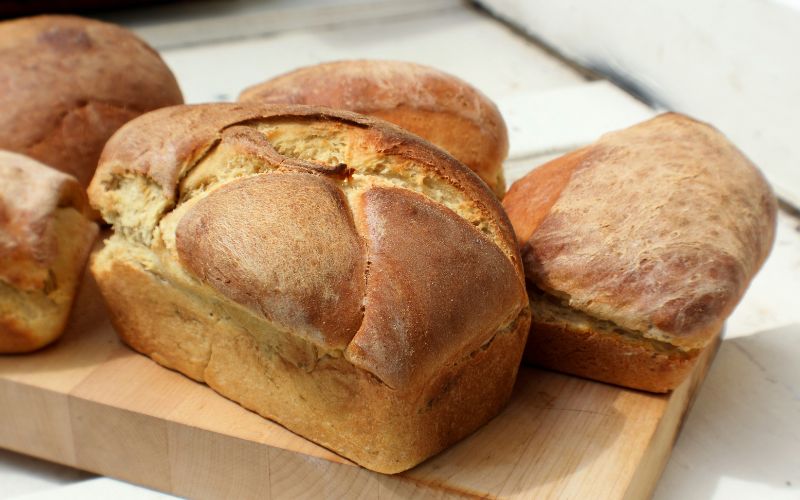
Whole loaves benefit from gentle oven heat because it warms the center evenly while helping the crust regain some crispness. A small amount of moisture can also prevent the crumb from drying out before the bread is heated through.
- Preheat the oven to about 350°F (175°C).
- Lightly sprinkle or brush the crust with a small amount of water if the loaf feels dry.
- Place the loaf directly on the oven rack or on a baking sheet.
- Heat for about 10 to 15 minutes, depending on the loaf’s size and density.
- Check the center before removing it, especially with thicker artisan bread.
- Let the loaf rest briefly before slicing so the heat and moisture can settle evenly.
Reheat Individual Slices and Soft Rolls
Smaller portions need less time and gentler heat because they can dry out quickly. Soft rolls and slices are best reheated only until warm, with a little moisture added when necessary to preserve tenderness.
- Preheat the oven or toaster oven to about 300-325°F (150-165°C).
- Wrap soft rolls loosely in foil to help retain moisture.
- Place bread slices on a baking sheet in a single layer.
- Heat soft rolls for about 5 to 10 minutes and slices for roughly 3 to 5 minutes.
- Check early and remove them as soon as they are warmed through.
- Serve immediately, since smaller pieces lose heat and moisture faster than a whole loaf.
2. Three Mistakes That Turn Reheating Into Re-Baking
Bread only needs enough heat to restore warmth and texture, not another full baking cycle. When learning how to reheat bread, avoiding excessive heat and poor moisture control can make the difference between a revived loaf and a dry, overly hard one.
Using Too Much Heat
High temperatures can crisp the crust too quickly while pulling moisture from the crumb before the center warms properly.
Moderate oven heat works better because it warms the loaf more evenly and gives moisture time to redistribute without scorching the surface.
Leaving Bread in the Oven Too Long
Even the right temperature can dry bread out if the reheating time is too long. Smaller rolls and slices need only a few minutes, while whole loaves usually require slightly more time. Check the bread early and remove it as soon as the center is warm instead of waiting for extra browning.
Ignoring Moisture Balance
Dry bread often needs a small amount of added moisture before reheating, especially crusty loaves.
Lightly sprinkling the surface with water or wrapping soft bread loosely in foil can help prevent excessive moisture loss. Too much water, however, can make the crust soggy, so use only a small amount.
>>> Read More: How to Reheat Olive Garden Breadsticks So They Stay Soft and Buttery
3. Five Bread-Reheating Habits That Backfire
Even simple reheating methods can go wrong when temperature, moisture, or timing is handled poorly.
Using high heat on soft bread
Soft rolls, sandwich bread, and enriched loaves can dry out quickly under intense heat. When learning how to reheat bread, lower temperatures are usually safer for these softer varieties.
Gentle reheating gives the center time to warm without making the exterior tough, brittle, or unnecessarily crisp.
Adding too much water
A small amount of moisture can refresh dry bread, but too much can leave the crust soggy and the crumb gummy.
Lightly mist or sprinkle the surface only when needed. The goal is to replace some lost moisture without soaking the bread or changing its texture completely.
Slicing the loaf too early
Cutting a whole loaf before reheating exposes more of the crumb to hot air and speeds up moisture loss. Reheat the loaf intact whenever possible, then let it rest briefly before slicing.
Microwaving for too long
Microwaves warm bread quickly, but extended heating can make it chewy, rubbery, or tough once it cools. Use short bursts and check the texture between intervals.
Covering soft bread with a lightly damp paper towel can help retain moisture, but the total heating time should still remain brief.
Reheating bread repeatedly
Each reheating cycle removes more moisture and gradually damages the bread’s texture. Warm only the portion you plan to eat instead of reheating an entire loaf several times.
Proper storage and a single reheating session usually deliver better results than repeated rounds of heating and cooling.
4. Bread Reheating Questions Worth Knowing
Texture changes during reheating often come down to moisture, portion size, and the heating method you choose.
Should you add water before reheating bread?
Adding a small amount of water can help refresh bread that has started to dry out, especially crusty loaves. Lightly mist or sprinkle the surface rather than soaking it, since too much moisture can make the crust soft or gummy.
Is it better to reheat bread whole or sliced?
Whole loaves generally retain moisture better because less of the crumb is exposed to hot air. Slices heat faster, but they can dry out more easily, so use shorter reheating times and lower heat when working with individual pieces.
Can frozen bread be reheated without thawing?
Frozen bread can often go straight from the freezer to the oven or toaster without thawing first. In line with the official USDA safe food temperature chart, whole loaves usually need more time to heat safely and evenly through, while frozen slices can typically be toasted or warmed directly until the center is thoroughly heated.
Why does bread become chewy in the microwave?
Microwave heat moves moisture through the bread very quickly, which can temporarily soften the crumb but leave it rubbery as it cools. Heating in short intervals helps reduce this effect and gives you better control over the final texture.
5. Final Thoughts
Bread can taste surprisingly fresh again when reheated with the right balance of heat, moisture, and timing. Learning how to reheat bread helps preserve a crisp crust, soft crumb, and better overall texture across whole loaves, rolls, and individual slices.
Avoiding high heat, excess water, and repeated reheating also makes a noticeable difference. For more practical kitchen guidance and reheating ideas, explore TeaKoe and make every leftover loaf worth enjoying again.