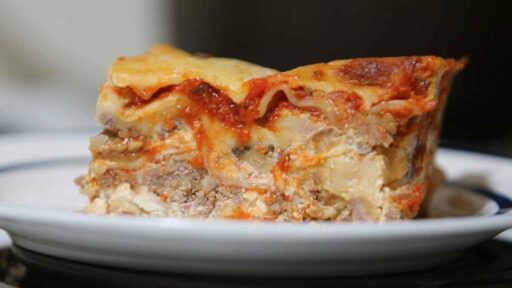
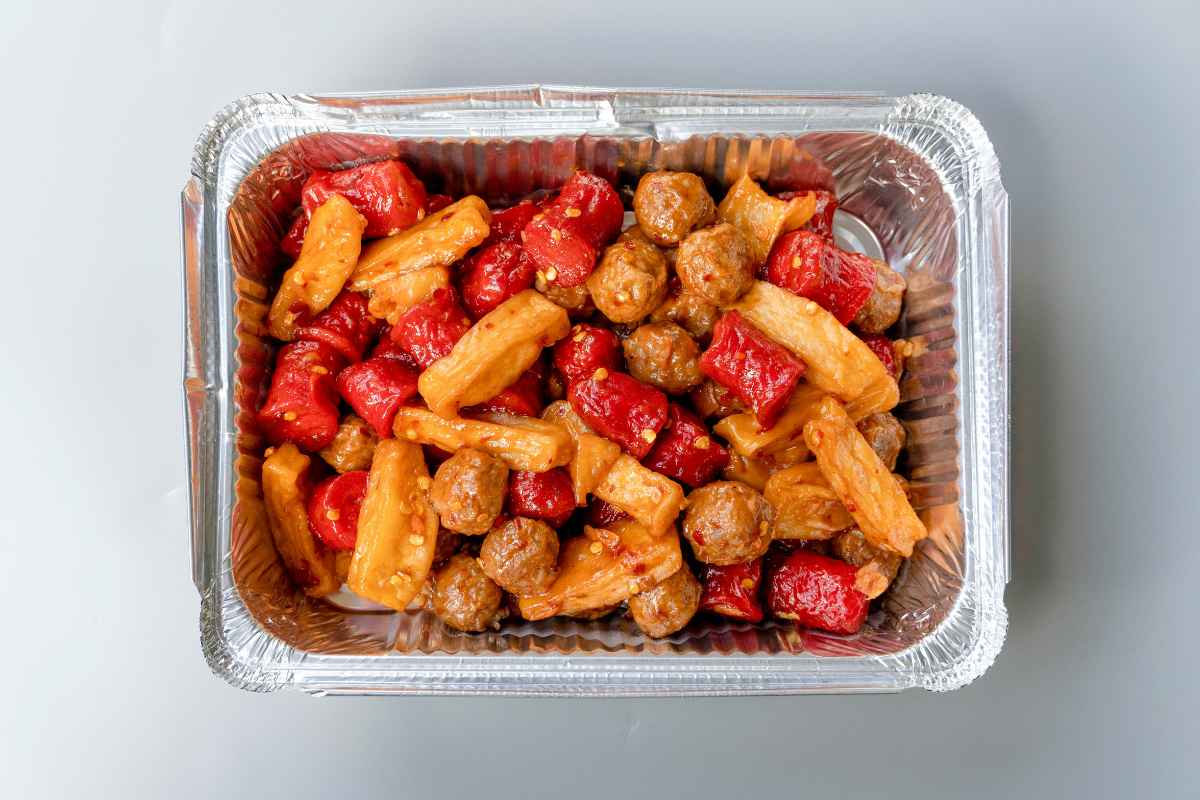

Leftovers can make meals easier, but reheating them safely depends on storage, temperature, timing, and how often food moves between hot and cold conditions. Understanding how many times can you reheat food helps you protect both flavor and food safety without wasting good meals.
1. How Many Times Can You Reheat Food?
Food can technically be reheated more than once, but reheating it only one time is the safer and better choice.
Each reheating cycle can reduce texture, dry out the food, and increase food safety risks if leftovers are not cooled, stored, and reheated properly.
2. Why Reheating Multiple Times Can Be Risky
Leftovers become less safe when they move through repeated cycles of cooling, storing, and reheating.
- Bacteria Can Grow Faster: Each time food cools down and warms back up, bacteria may have more chances to multiply if the food stays too long at unsafe temperatures. According to the USDA Food Safety and Inspection Service, bacteria multiply most rapidly in this range, increasing the risk of foodborne illness if food stays at room temperature too long.
- Texture Gets Worse: Repeated reheating can make meat dry, rice hard, pasta mushy, and vegetables limp, even when the food is still technically edible.
- Moisture Loss Increases: Heat pulls moisture out of food over time. After several reheating rounds, leftovers may taste dry, tough, or less fresh.
- Uneven Heating Becomes More Likely: Some parts may become hot while thicker areas stay cool. Cold spots can be risky if the food is not heated through properly.
- Storage Mistakes Add Risk: Reheating multiple times often means food is opened, handled, cooled, and stored again.
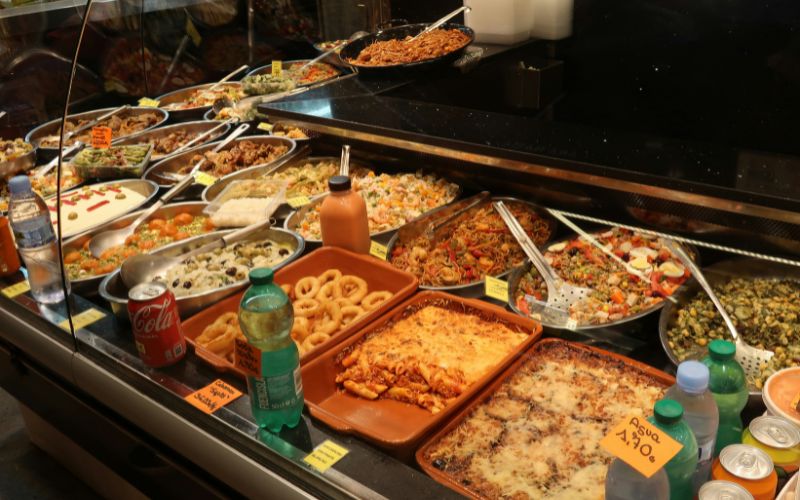
3. Which Foods Can Be Reheated More Safely?
Some foods handle reheating better than others, especially when they are stored quickly, covered well, and reheated only in the portion you plan to eat.
Cooked Rice
Cooked rice can be reheated safely when it is cooled quickly, stored in the refrigerator, and reheated until steaming hot.
Add a small splash of water before warming to restore moisture and prevent hard grains. Rice should not sit at room temperature too long because bacteria can grow quickly.
Pasta
Pasta usually reheats well because it can absorb extra moisture from water, sauce, or broth. Warm it gently and stir during reheating so the center and edges heat evenly.
Sauce-based pasta often keeps a better texture than plain pasta because the sauce helps prevent dryness and clumping.
Chicken
Chicken can be reheated safely when it has been stored properly and warmed through completely. Since cooked chicken dries out easily, gentle heat works better than long, high-temperature reheating.
Add a little broth, sauce, or oil if needed, and avoid reheating the same portion multiple times.
Beef
Beef often reheats better than leaner meats, especially when it has gravy, sauce, or enough fat to protect moisture.
Warm it slowly so the texture stays tender instead of tough. For thicker pieces, slicing the beef before reheating can help the center warm more evenly.
Soups and Stews
Soups and stews are usually easier to reheat because the liquid helps spread heat through the dish.
Stir while warming so that meat, vegetables, beans, or noodles heat evenly. Reheat only the amount you plan to eat, and make sure the portion is hot throughout before serving.
>>> Read More: How Long to Reheat Wings in Air Fryer Like a Restaurant
4. High-Risk Foods You Should Avoid Reheating Repeatedly
Some foods become riskier faster when they are cooled, stored, and reheated again and again.
- Rice: Cooked rice can carry bacteria if it is left at room temperature too long.
- Chicken: Chicken needs to be reheated thoroughly because cold spots can create safety concerns.
- Seafood: Fish, shrimp, crab, and other seafood spoil quickly and can develop unpleasant smells or textures after reheating.
- Eggs: Egg-based dishes can turn rubbery and lose quality when reheated too many times. They also need even heating because cool centers may be unsafe.
- Dairy-Based Sauces: Creamy soups, cheese sauces, and milk-based dishes can separate, curdle, or spoil faster when reheated repeatedly.
- Leafy Greens: Spinach, kale, and similar greens can lose texture and quality after repeated heating.
- Cooked Potatoes: Potatoes can become risky if they are left out too long before refrigeration.
5. Smart Tips to Avoid Reheating Food Multiple Times
Leftovers are easier to manage when you portion, store, and reheat them with a plan.
- Portion Before Storing: Divide leftovers into single-serving containers before putting them in the fridge.
- Label the Date: Add a date label to containers, so you know which leftovers should be eaten first.
- Use Smaller Containers: Shallow containers cool food faster and make reheating more even.
- Reheat Only What You Will Eat: Before reheating, estimate the amount you need for that meal.
- Store Sauces Separately: Sauces, gravies, and toppings can change texture when reheated too often.
- Cool Food Quickly: Let hot leftovers cool briefly, then refrigerate them within a safe time frame.
- Plan Leftover Meals: Turn leftovers into simple next-day meals, such as bowls, wraps, soups, or stir-fries.
6. FAQs about Food Reheating Safety
Food reheating rules can feel confusing because safety depends on more than the number of times food is warmed.
Is reheating food twice dangerous?
Reheating food twice can become risky if the food was cooled slowly, stored poorly, or left at room temperature too long.
While it may not always cause illness, reheating the same portion again and again increases food safety concerns and usually lowers quality. Reheating once is the safer habit.
Which foods should not be reheated multiple times?
Rice, chicken, seafood, eggs, dairy-based sauces, cooked potatoes, and leafy greens should not be reheated repeatedly.
These foods can lose quality quickly and may carry higher safety risks when handled incorrectly. It is better to reheat only the amount you plan to eat.
Can leftovers be reheated every day?
Leftovers can be reheated on different days if each portion has been stored safely and reheated only once.
The better approach is to divide food into small containers, then warm one portion at a time. Avoid reheating the same container every day and returning it to the fridge.
Does reheating kill bacteria?
Proper reheating can kill many bacteria when food reaches a safe temperature throughout. However, some toxins produced by bacteria may not be destroyed by heat.
7. Final Words
Leftovers are safest and tastiest when they are cooled quickly, stored properly, and reheated only in the portion you plan to eat. Understanding how many times can you reheat food helps you avoid repeated heating cycles that can affect texture, flavor, and safety.
For more practical leftover tips, simple meal planning ideas, and cozy kitchen guidance, TeaKoe is a helpful place to explore.