
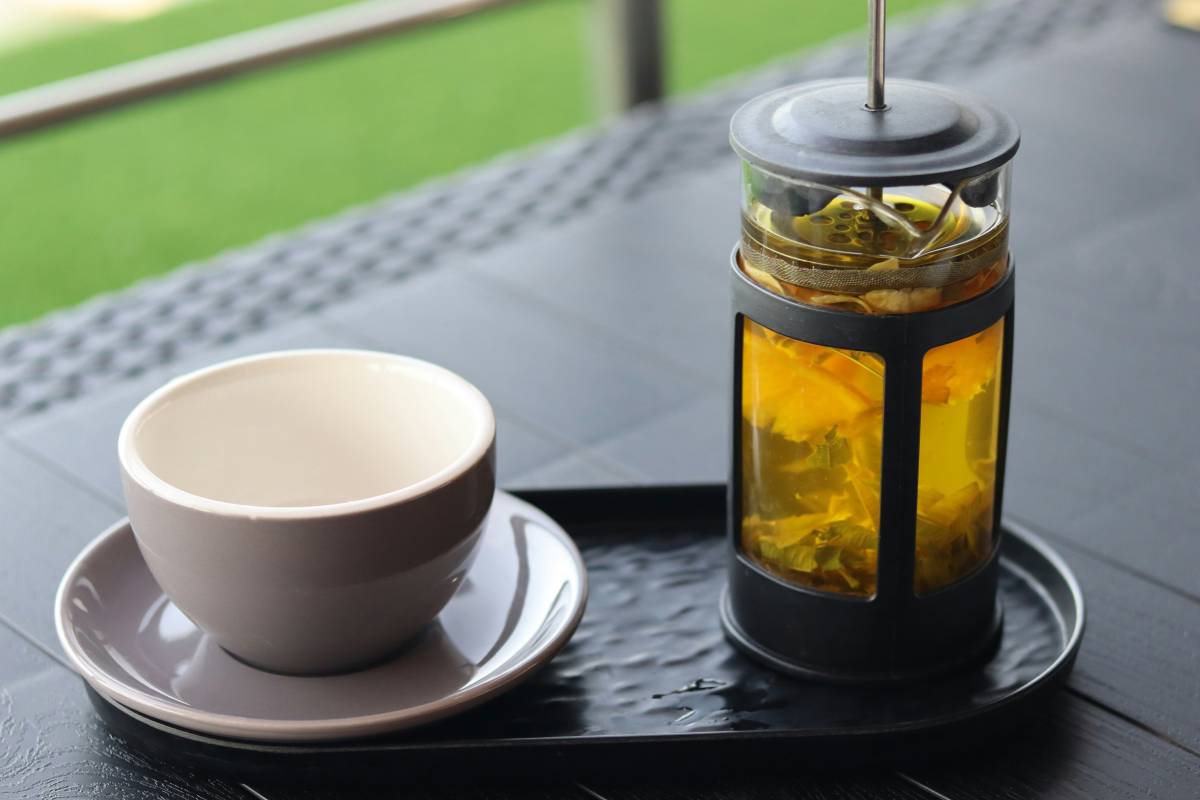

If you’re asking does herbal tea have caffeine, the answer is usually no, since it’s made from herbs, flowers, or fruits rather than traditional tea leaves.
This makes it a popular choice for those looking to relax without stimulation.
However, ingredients can vary, so it’s worth checking each blend.
For a clearer understanding and helpful tips, you can explore more through TeaKoe-inspired guidance.
1. Does Herbal Tea Have Caffeine in It?
Most herbal teas are naturally caffeine-free because they are not made from the Camellia sinensis plant, which is the source of traditional teas like green or black tea.
Instead, they are crafted from dried fruits, flowers, herbs, and spices, making them a popular choice for relaxation and evening use.
If you’re wondering herbal tea does it have caffeine, the answer is usually no, but there are a few exceptions.
Common caffeine-free options include chamomile tea, peppermint tea, rooibos tea, and lemon ginger blends. However, certain herbal drinks like yerba mate or guayusa naturally contain caffeine, so checking the ingredients is always important.
2. How Much Caffeine Does Herbal Tea Have?
For most herbal teas, the caffeine content is essentially little to no. This is because they are made from dried fruits, flowers, herbs, or roots rather than the Camellia sinensis plant used in traditional teas.
If you’re asking, does herbal tea have caffeine, the answer is generally no, which is why it’s often recommended for evening or caffeine-free routines.
However, not all blends are completely free of caffeine. Some varieties that include ingredients like yerba mate, guayusa, or cacao may contain small amounts.
Because of this, it’s always helpful to check the label if you want to avoid caffeine entirely.
>>> Read more: Does Chai Tea Latte Have Caffeine? Is It More Than Coffee?
3. 4 Benefits of Caffeine-Free Herbal Tea
Switching to caffeine-free drinks can subtly improve how your body rests, digests, and recovers throughout the day. Herbal tea offers a simple way to support these functions without adding stimulation.
Encourages Deeper, More Restful Sleep
Even low levels of caffeine can delay your body’s natural ability to wind down, especially in the evening. Switching to herbal tea removes that barrier, allowing your system to relax more gradually and naturally.
This creates better sleep consistency over time rather than a sudden effect.
A warm, caffeine-free drink becomes part of a calming routine, helping your body recognize when it’s time to rest and making sleep feel more effortless.
Supports Comfortable Digestion
After meals, certain herbal blends can help ease digestive tension without overstimulating the stomach. Ingredients like ginger or peppermint are often used to support smoother digestion and reduce that heavy feeling.
Because there’s no caffeine involved, your digestive system isn’t pushed to work harder than needed. This makes herbal tea a more balanced choice, especially for those who prefer something gentle after eating.
Maintains Natural Hydration
Herbal tea contributes to your daily fluid intake while offering more character than plain water. Its light flavor makes it easier to drink consistently without feeling repetitive or forced.
This steady intake helps maintain hydration throughout the day without relying on sugary or caffeinated drinks. Over time, this simple habit supports overall balance and keeps your body functioning more efficiently.
Reduces Dependence on Caffeine
Replacing caffeinated drinks with herbal tea can gradually shift your energy patterns. Instead of relying on quick boosts, your body adapts to a more stable and sustained rhythm.
This change often reduces common side effects like restlessness or energy crashes. It allows you to keep the ritual of drinking tea while moving toward a calmer and more balanced daily routine.
>>> Read more: How To Make Lemon Balm Tea: Full 2026 Brewing Guide
4. Who Should Choose Drinking Herbal Tea?
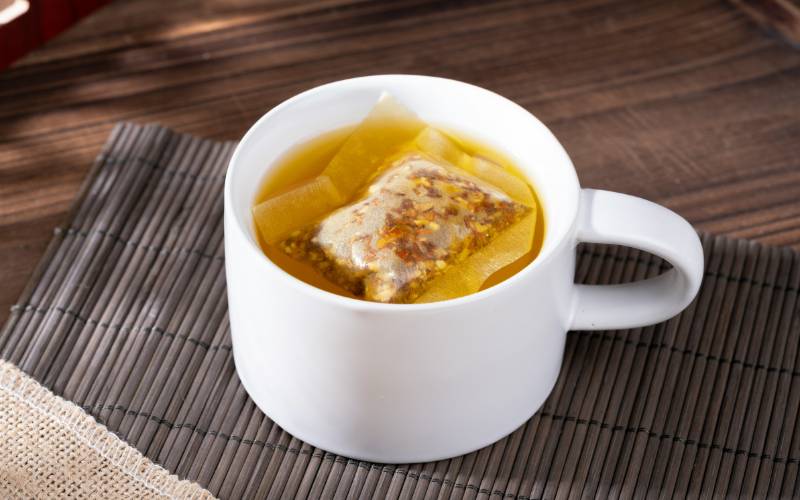
Not every drink works the same for every lifestyle, especially when caffeine is involved. Herbal tea offers a flexible option that fits a wide range of needs, from relaxation to daily wellness.
People Trying to Reduce Caffeine Intake
Reducing caffeine can be difficult when it is part of daily habits. Herbal tea offers a simple replacement that keeps the routine without relying on stimulation. It helps maintain comfort while gradually lowering caffeine consumption.
Over time, this shift supports more stable energy levels and fewer sudden crashes. It allows the body to adjust naturally without major lifestyle changes or discomfort.
Individuals with Sleep Sensitivity
Caffeine can affect sleep quality even in small amounts, especially when consumed later in the day. Herbal tea avoids this issue completely, making it suitable for evening routines without disrupting rest.
Drinking it before bedtime can help the body relax and prepare for sleep. This simple habit supports a calmer state, allowing rest to feel more natural and consistent.
Those with Sensitive Digestion
Caffeinated drinks can sometimes irritate the digestive system, especially after meals. Herbal tea provides a gentler alternative that supports comfort without overstimulation. It can be used regularly without causing additional strain.
Certain blends help reduce bloating and create a lighter feeling. This makes herbal tea a practical option for maintaining digestive balance throughout the day.
People Building Healthier Daily Habits
Switching to herbal tea can help replace sugary or highly caffeinated drinks with a lighter option. It supports better daily choices without requiring drastic changes in routine or preference.
This small adjustment can improve overall balance over time. It allows you to maintain a familiar habit while moving toward a healthier and more consistent lifestyle.
>>> Read more: A Complete Tutorial On How To Make Dandelion Tea Correctly
5. Popular Questions about Herbal Tea and Caffeine
When choosing herbal tea, many people don’t just care about taste but also how it affects sleep, energy levels, and overall health. These common questions often come up when comparing herbal tea with other beverages and understanding its role in a daily routine.
Can herbal tea keep you awake?
Most herbal teas will not keep you awake because they do not contain caffeine. In fact, many blends are chosen specifically for their calming effects. However, certain ingredients like spices or added flavors may feel stimulating for some people.
Is herbal tea healthier than regular tea?
It depends on what you’re looking for. Herbal tea is naturally caffeine-free and often gentler on the body, while regular tea provides antioxidants along with caffeine. Each type has its own benefits, so the better choice depends on your needs and preferences.
Does chamomile tea have caffeine?
No, chamomile tea is completely caffeine-free. It is made from dried chamomile flowers, not from the tea plant that contains caffeine. This makes it a popular choice for relaxation and evening use.
Does mint herbal tea have caffeine?
Mint herbal tea, including peppermint, does not contain caffeine. It is made from mint leaves and is often used to support digestion and provide a refreshing taste. This makes it suitable for drinking at any time of day.
6. Final Words
Thinking about does herbal tea have caffeine is really about choosing how you want your tea to make you feel.
Most herbal blends are naturally caffeine-free, offering a calm, gentle experience that fits easily into any time of day. It’s a simple shift that can support better rest and a more balanced routine.
With TeaKoe, you can discover thoughtfully crafted herbal teas that bring both comfort and flavor to every cup.