

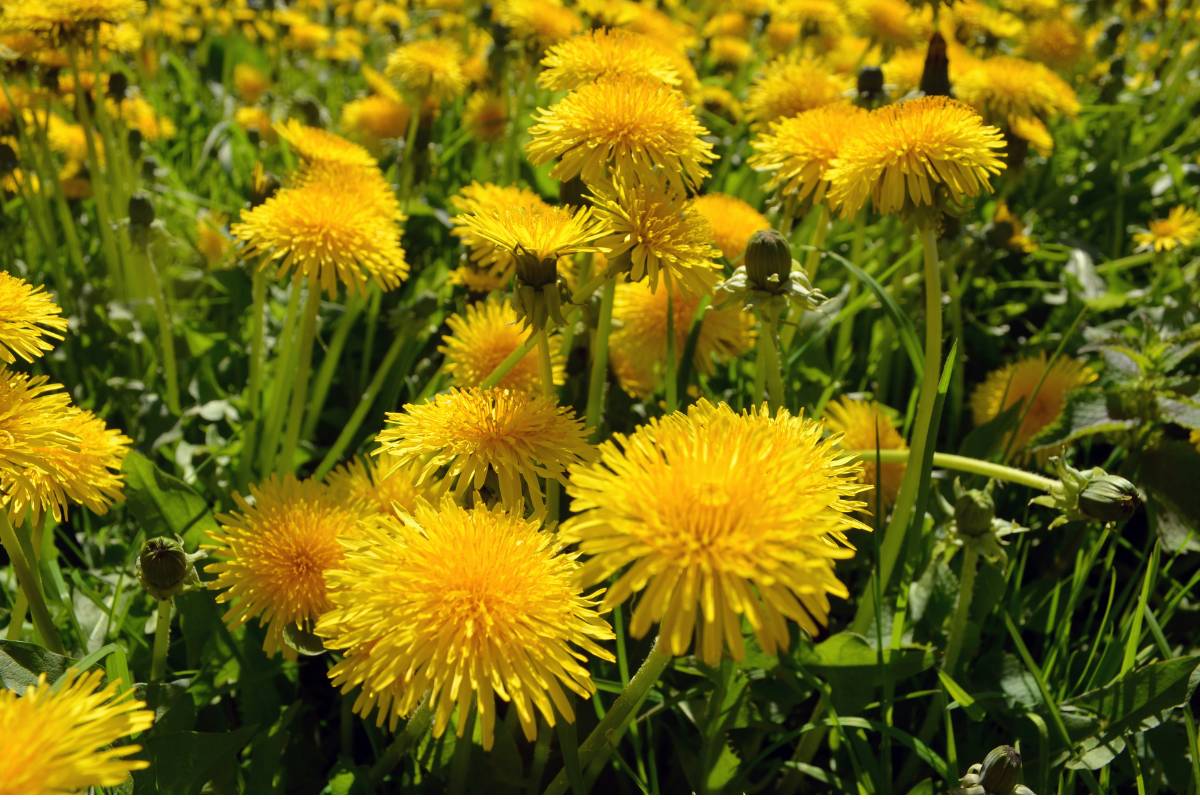

Learning how to make dandelion tea opens up a simple way to enjoy a natural, earthy drink that has been used in traditional wellness routines for years.
Made from roots, leaves, or flowers, it offers a slightly bitter yet smooth flavor that can be adjusted through preparation.
The method you choose can influence both taste and strength.
For step-by-step guidance and helpful tips, you can explore more through TeaKoe-inspired resources.
1. What You Need to Make Dandelion Tea
Before brewing, it’s important to prepare the right ingredients and tools to ensure proper extraction and balanced flavor.
Using correct measurements also helps control strength, especially since different parts of the plant (roots, leaves, or flowers) require slightly different amounts and brewing methods.
| Igredient/Tool | Recommended Amount |
| Dandelion roots (dried) | 1-2 teaspoons (chopped) |
| Dandelion leaves/flowers | 1-2 teaspoons (dried) or a small handful of fresh |
| Water | 250-300 ml |
| Small pot (for simmering) | 1 |
| Tea strainer | 1 |
| Cup | 1 |
2. How to Make Dandelion Tea Taste Better (Step-by-Step)
Brewing dandelion tea correctly helps balance its earthy flavor and reduce unwanted bitterness.
Following a clear method ensures better extraction and a smoother result, especially when learning dandelion tea how to make for everyday use.
Bring water to a boil
Bring water to a full boil to reach the ideal temperature, ensuring the dandelion can release its flavour more evenly during brewing.
Using properly heated water helps maximize flavor extraction without leaving the tea too weak or uneven.
Add dandelion root or leaves
Add dandelion root or leaves depending on what you are using, as each part produces a slightly different flavor, strength, and overall drinking experience.
Roots tend to create a deeper, more robust taste, while leaves offer a lighter and more delicate profile.
Simmer or steep properly
Simmer the roots gently for a deeper extraction, or steep the leaves more lightly to prevent over-extraction and keep the taste smooth and balanced.
Carefully adjusting this step helps control bitterness and ensures a more pleasant final flavor.
Let it sit and infuse
Let the tea sit for 5-10 minutes so the infusion can fully develop, allowing the flavor to deepen and become more rounded without turning too strong.
This resting time helps the natural notes settle and blend more harmoniously.
Strain the tea
Strain the tea carefully to remove all plant particles, creating a cleaner texture and a more enjoyable, smooth finish in every sip.
A fine strainer can improve clarity and enhance the overall drinking experience.
Serve warm and enjoy
Serve the tea warm to fully appreciate its aroma, comforting warmth, and naturally earthy character at its most balanced state.
Drinking it fresh also ensures you experience the best flavor and overall quality.
>>> Read more: What Does Chamomile Tea Taste Like? Unique Flavor, Aroma
3. How to Make Dandelion Tea from Dried Root
Using dried dandelion root creates a deeper, more concentrated flavor compared to leaves or flowers, making it ideal for those who prefer a stronger herbal infusion.
This method also allows better control over extraction, helping you achieve a richer and more balanced cup while learning how to make dandelion root tea at home.
Measure the dried dandelion root
Use 1-2 teaspoons of dried dandelion root per cup to create a strong yet well-balanced base.
Adjusting the amount slightly allows you to control intensity without overwhelming the natural flavor.
Bring water to a full boil
Bring water to a full boil before adding the root, ensuring the temperature is high enough to extract the key compounds effectively.
Proper heat helps release both flavor and natural plant compounds.
Simmer to extract flavor
Simmer gently for 10-15 minutes, allowing the tea to develop a deeper profile while drawing out its earthy, slightly roasted notes.
Longer simmering generally results in a richer, fuller-bodied taste.
Let it rest briefly
Remove from heat and let the tea sit for a few minutes. This resting stage helps the flavors settle and blend together, creating a smoother and more balanced finish.
Strain thoroughly
Strain the tea carefully to remove all root pieces, ensuring a clean texture and a more refined drinking experience.
Using a fine strainer helps improve clarity and creates a smoother mouthfeel with every sip.
Taking this extra step also prevents any leftover particles from affecting the taste or overall enjoyment.
Serve warm and enjoy
Serve the tea warm to fully appreciate its depth, aroma, and comforting herbal character.
The gentle heat helps release its natural fragrance and enhances the overall tasting experience.
Enjoying it fresh also helps preserve its richness and balance, allowing you to experience the tea at its best.
4. Helpful Tips for Brewing the Perfect Dandelion Tea

Small adjustments in preparation can make a noticeable difference in both flavor and overall quality.
Knowing how to make dandelion tea properly helps you control strength, reduce bitterness, and create a smoother, more enjoyable cup.
- Use the right plant part (roots for a stronger, deeper flavor, while leaves or flowers create a lighter, more delicate taste)
- Simmer roots longer to fully extract their richness, but steep leaves gently to avoid over-extraction and bitterness
- Adjust the amount of dandelion used instead of over-brewing, which helps you control strength without affecting flavor balance
- Strain thoroughly to remove fine particles and keep the texture clean, smooth, and more pleasant to drink
- Use fresh, filtered water to enhance the natural taste and prevent any unwanted aftertaste
- Avoid over-steeping, as extended brewing can make the tea too strong and introduce a slightly bitter edge
- Drink it warm to fully enjoy its aroma, natural depth, and well-balanced herbal character
- If using fresh dandelion, make sure it is properly identified and collected from areas free of pesticides or contamination
>>>Read more: Is Twisted Tea a Beer? What It Really Is and How It’s Classified
5. Final Words
Making dandelion tea at home is simple, but the right method can greatly improve both flavor and overall experience.
From choosing the right plant part to adjusting steeping or simmering time, each step plays a role in achieving a balanced cup.
With a little practice, you can create a smooth, earthy infusion that fits your preference.
If you’re exploring how to make dandelion tea, explore TeaKoe’s premium herbal selections and start brewing your perfect cup today.