
Is herbal tea caffeine free, or does it depend on what’s in your cup? Many people turn to herbal tea as a calming, everyday drink, but not all blends are as simple as they seem.
While most herbal infusions are naturally free from caffeine, some ingredients and mixes can change that expectation. Understanding what goes into your brew can help you choose the right tea for relaxation, energy balance, and your daily routine.
1. What Is Herbal Tea?
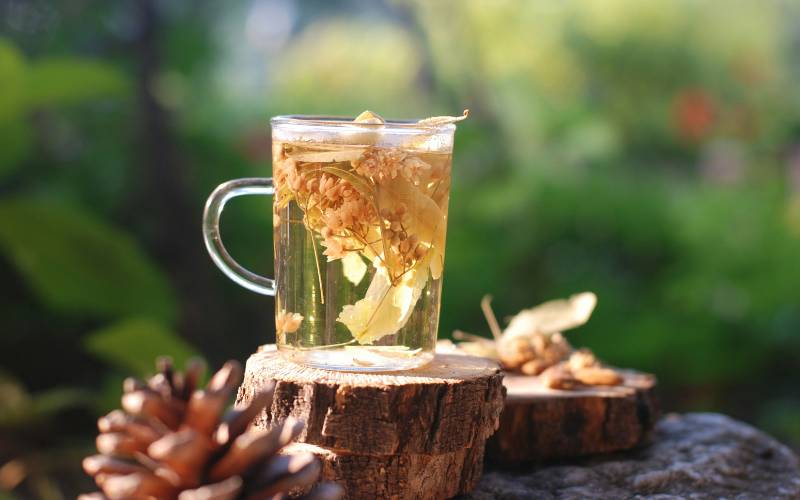
Herbal tea, often referred to as a tisane, is a drink made by steeping herbs, flowers, fruits, spices, or roots in hot water instead of traditional tea leaves. That helps answer is herbal tea caffeine free.
Because it does not come from the Camellia sinensis plant, it is technically not “true tea” but a plant-based infusion.
Most herbal teas are naturally caffeine-free, which makes them a popular choice for relaxation and daily wellness. Common varieties include chamomile, peppermint, and ginger, each offering its own flavor and potential health benefits depending on the ingredients used.
2. Is Herbal Tea Caffeine Free? (Quick Answer)
YES, most herbal teas are naturally caffeine-free because they are made from herbs, flowers, fruits, and spices rather than the Camellia sinensis plant used in traditional tea.
Popular varieties such as chamomile, peppermint, ginger, and rooibos contain no caffeine, making them a suitable choice for evening routines or relaxation.
However, is herbal tea always caffeine free is a question many people ask, and the answer is not always. Some herbal blends may include ingredients like yerba maté, guarana, or cacao, which naturally contain stimulants.
To be sure, it is important to check the ingredient list, as caffeine content can vary depending on the specific blend.
>>> Related blog: What Type of Tea Has the Most Caffeine? A Complete Comparison Guide
3. Common Herbal Teas That Are Caffeine-Free
Many herbal teas are naturally caffeine-free, making them a great choice for relaxation and daily wellness. To better answer is herbal tea caffeine free, let’s look at some common caffeine-free herbal teas.
Chamomile
Chamomile tea is one of the most popular herbal options for relaxation, known for its light floral taste and calming aroma. Made from dried chamomile flowers, it is often enjoyed in the evening as part of a bedtime routine.
Because herbal tea is caffeine free in most cases, chamomile is especially valued for promoting better sleep and reducing stress. It may also support digestion and overall relaxation, making it a gentle and reliable choice for daily use.
Peppermint
Peppermint tea offers a crisp, refreshing flavor that feels both cooling and soothing, which helps answer is herbal tea caffeine free.
It is commonly enjoyed after meals due to its ability to ease digestion and reduce bloating. The naturally minty aroma also makes it a pleasant alternative to traditional tea.
As a naturally caffeine-free option, peppermint tea fits well into routines and suitable at any time of day. It can be enjoyed without worrying about sleep disruption or unwanted stimulants.
Ginger
Ginger tea is known for its warm, slightly spicy flavor that brings comfort, especially during colder days. It is often used to support digestion, reduce nausea, and promote overall well-being. The bold taste also pairs well with lemon or honey.
For those choosing options where herbal tea is caffeine free, ginger tea is a practical and flavorful choice. It provides a natural boost without caffeine, making it suitable for both daytime use and evening relaxation.
Rooibos
Rooibos tea, also called red tea, comes from a plant native to South Africa and has a smooth, slightly sweet flavor. If you’re asking is herbal tea caffeine free, this is often enjoyed on its own or with milk as a comforting alternative to traditional black tea.
Since herbal tea is caffeine free in most cases, rooibos stands out as a reliable option for those avoiding stimulants. Its antioxidant content and gentle taste make it suitable for daily drinking, whether in the morning or before bed.
4. Who Should Choose Herbal Tea?
Herbal tea is a flexible option that suits many different lifestyles, especially for those looking to avoid caffeine. Understanding who benefits most can help you choose the right type for your daily routine.
People Sensitive to Caffeine
Individuals who are sensitive to caffeine often experience symptoms like restlessness, anxiety, or trouble sleeping after consuming regular tea or coffee. If you’re asking is herbal tea caffeine free, it offers a gentler alternative since it is typically made without caffeine-containing tea leaves.
This allows them to enjoy a warm, flavorful drink without unwanted side effects. Over time, switching to herbal tea can help improve sleep quality and reduce caffeine-related discomfort.
Those Looking to Improve Sleep
People who struggle with sleep often turn to herbal tea as part of their evening routine. If you’re asking is herbal tea caffeine free, varieties like chamomile or lavender are known for their calming properties and can help the body relax before bedtime.
Since these teas are naturally caffeine-free, they won’t interfere with sleep cycles. Drinking herbal tea regularly in the evening can create a consistent, soothing habit that supports better rest.
Individuals Focused on Wellness
Herbal tea is a popular choice for those who prioritize overall health and wellness, which often leads people to ask is herbal tea caffeine free. Many blends contain ingredients like ginger, peppermint, or rooibos, which are associated with digestion support and antioxidant benefits.
While not a replacement for medical treatment, herbal tea can be a simple addition to a balanced lifestyle. It provides a natural way to stay hydrated while enjoying potential health-supporting properties.
People Reducing Caffeine Intake
Those trying to cut back on caffeine often find herbal tea to be an effective replacement. It allows them to maintain the ritual of drinking tea without relying on stimulants.
This is especially helpful for individuals transitioning away from coffee or high-caffeine beverages. Herbal tea offers variety in flavor while supporting a gradual and sustainable reduction in caffeine consumption.
>>> Read more: Data Revealed: How Much Caffeine Is In English Breakfast Tea?
5. FAQs about Herbal Tea and Your Health
If you’re wondering is herbal tea caffeine free, herbal tea is often linked to relaxation and wellness, but many people still have questions about its effects and ingredients. These common FAQs will help you better understand how herbal tea fits into your daily routine.
Is all herbal tea caffeine free?
Most herbal teas are naturally caffeine-free because they are not made from traditional tea leaves. However, not all blends are completely free of caffeine, especially if they include ingredients like yerba maté or cacao. It’s always best to check the ingredient list before choosing.
Is chamomile tea caffeine free?
Yes, chamomile tea is naturally caffeine-free and is one of the most popular options for relaxation. It is made from dried chamomile flowers, not tea leaves, so it does not contain caffeine. This makes it suitable for evening use and bedtime routines.
Can herbal tea help with sleep?
Certain herbal teas, such as chamomile or lavender, are commonly used to support better sleep. Their calming properties can help the body relax and prepare for rest. While results may vary, many people find them helpful as part of a nightly routine.
How to tell if herbal tea has caffeine?
The easiest way is to check the ingredient label on the packaging. If the blend contains Camellia sinensis (like black or green tea) or stimulants such as guarana, it may contain caffeine. Pure herbal ingredients like flowers, roots, and fruits are usually caffeine-free.
Does tea spike cortisol?
Caffeinated tea can influence cortisol levels because caffeine is a stimulant. Herbal tea, on the other hand, is typically caffeine-free and less likely to affect cortisol in the same way. Choosing herbal options may help avoid unnecessary stimulation.
Is caffeine free herbal tea good for you?
Yes, caffeine-free herbal tea can be a healthy addition to your routine when consumed in moderation. It helps with hydration and may provide additional benefits depending on the ingredients used. It’s a simple way to enjoy a warm drink without the effects of caffeine.
6. Final Words
Exploring caffeine-free drink options can help you build a more balanced daily routine without giving up the enjoyment of tea. With so many blends available, it becomes easier to find something that fits both your taste and lifestyle.
Checking ingredients is key to making the right choice. If you’re still asking is herbal tea caffeine free, the answer depends on what’s inside each blend. TeaKoe offers helpful guides to make that choice easier.