
Brewing loose-leaf tea is both a precise technique and a sensory experience that rewards attention to detail. Understanding water temperature, steeping time, and tea-to-water ratio can significantly improve flavor, aroma, and overall quality in every cup.
This guide breaks down the essentials in a clear, practical way to help you master how to brew loose leaf tea at home with confidence and consistency. For a deeper dive, you can explore more insights from TeaKoe’s detailed guide on loose leaf tea.
1. Why Choose Loose-Leaf Tea Over Tea Bags?
Before learning how to brew loose leaf tea, it’s worth understanding why many people choose it over tea bags. Loose-leaf tea offers a more authentic and refined tea experience, bringing out the true character of each leaf.
If you’re looking to elevate both flavor and quality, it’s easy to see why many tea lovers prefer this traditional approach.
- Better flavor and aroma: Whole tea leaves retain essential oils, delivering a richer and more complex taste compared to broken leaves in tea bags
- Higher quality leaves: Loose leaf tea is typically less processed and contains fewer dust particles, resulting in a cleaner, smoother cup
- More room to expand: Leaves have space to fully unfurl in water, allowing better extraction of flavor and nutrients
- Greater variety: You can explore a wider range of teas, from rare single-origin selections to unique blends not commonly found in tea bags
- More sustainable option: Loose-leaf tea often uses less packaging, helping reduce waste compared to individually wrapped tea bags
>>> You might be interested in: Best Tea for Sore Throat: 5 Soothing Options That Actually Work
2. What You Need to Brew Loose-Leaf Tea
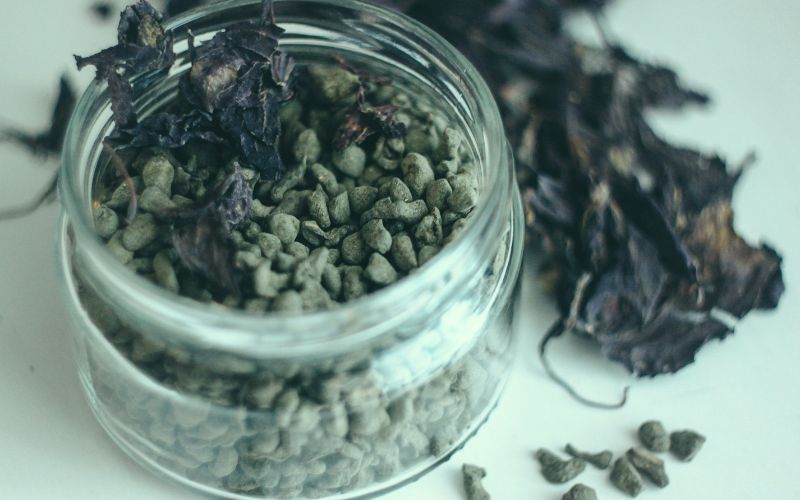
Before you start learning how to brew loose leaf tea, having the right ingredients and proportions will make a noticeable difference in both flavor and consistency.
A balanced tea-to-water ratio helps you get the most out of each leaf without over- or under-extracting.
| Ingredient | Recommended Amount |
| Loose-leaf tea | 1 teaspoon (2–3g) per 240ml |
| Water | 240ml (1 cup) |
| Optional (honey, lemon, milk) | Adjust to taste |
Once your ingredients are ready, a few simple tools can help you brew more efficiently and bring out the best results. You don’t need anything too complicated, just the essentials below:
- Teapot or heat-safe cup
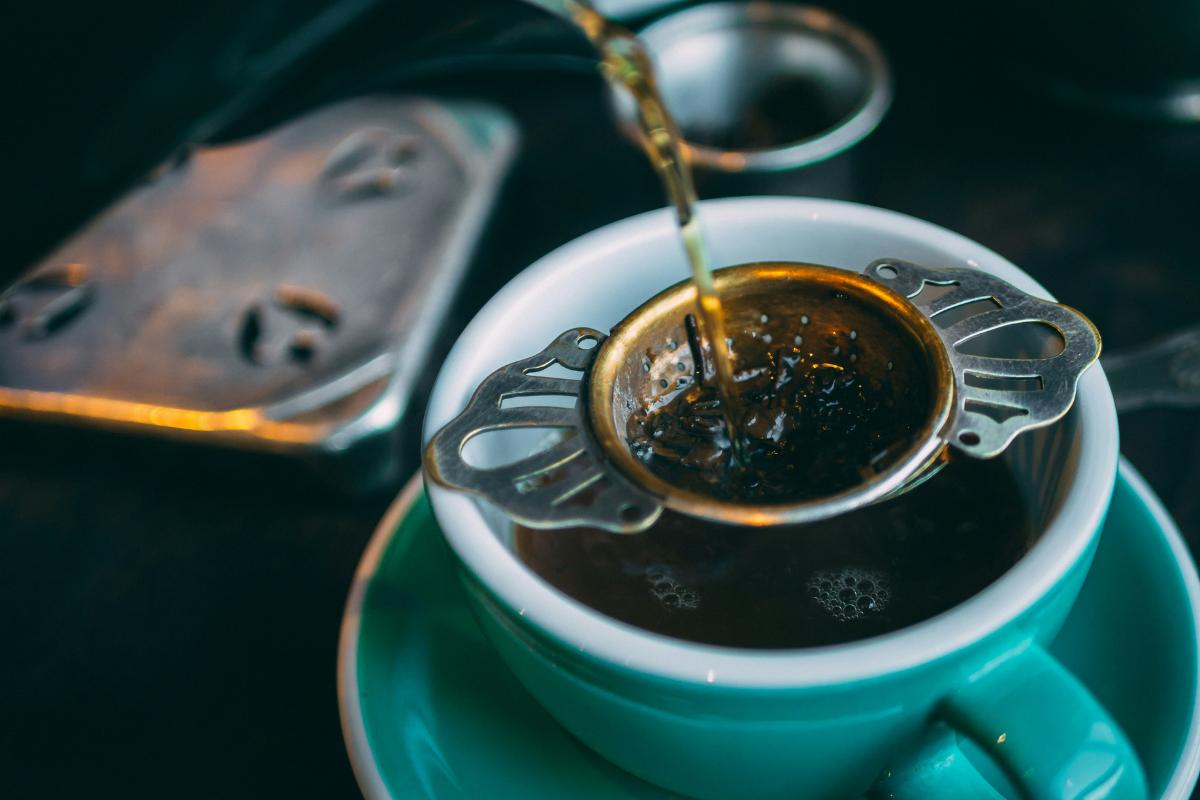
- Tea infuser, strainer, or filter
- Kettle for heating water
- Teaspoon or digital scale for accurate measurement
- Timer to control steeping time
3. How to Brew Loose Leaf Tea (Step-by-Step Guide)
Brewing loose-leaf tea doesn’t have to be complicated when you follow a clear, step-by-step approach. With the right technique, you can consistently enjoy a well-balanced cup that highlights the tea’s natural flavor and aroma.
Step 1: Measure tea leaves (1 tsp per cup)
Start by measuring your tea leaves accurately, as this directly affects the strength and taste of your brew. A general guideline is about 1 teaspoon (2-3 grams) per 240ml cup of water. Adjust slightly depending on the tea type and your personal preference for a lighter or stronger infusion.
Step 2: Heat water to the right temperature
Different types of tea require different water temperatures to avoid bitterness or weak extraction.
For example, green tea works best at lower temperatures (around 70-80°C), while black tea typically needs near-boiling water. Using the correct temperature helps preserve delicate flavors and ensures optimal brewing results.
Step 3: Add tea to the infuser or teapot
Place the measured tea leaves into an infuser, strainer, or directly into a teapot. Make sure there is enough space for the leaves to expand fully as they steep. This how to brew loose leaf tea step is essential for proper flavor release, as tightly packed leaves can limit infusion and reduce overall quality.
Step 4: Pour water and steep
Slowly pour hot water over the tea leaves and allow them to steep for the recommended time, usually between 2 to 5 minutes, depending on the tea variety. If you’re exploring alternatives like how to cold brew loose leaf tea, you would use cold water and steep for several hours instead.
Step 5: Strain and serve
Once the steeping time is complete, remove the infuser or strain the tea to prevent over-extraction, which can cause bitterness. Pour into your cup and enjoy as is, or customize with honey, lemon, or milk depending on your taste preference.
>>> Another helpful blog: How Long To Steep Chamomile Tea? Detailed Timing Review
4. How to Brew Loose Leaf Tea Without an Infuser
You don’t need a dedicated infuser to brew loose leaf tea properly many traditional and improvised methods can deliver excellent results if done correctly. The key is controlling how the leaves steep and ensuring you separate them from the liquid at the right time.
Method 1: Grandpa Style (Directly in the Cup)
This method is widely used in China for everyday tea drinking. Add a small amount of loose leaf tea directly into your cup, then pour in hot water.
Let the leaves sink naturally and drink slowly. Avoid finishing the last portion, as it contains concentrated leaves and sediment.
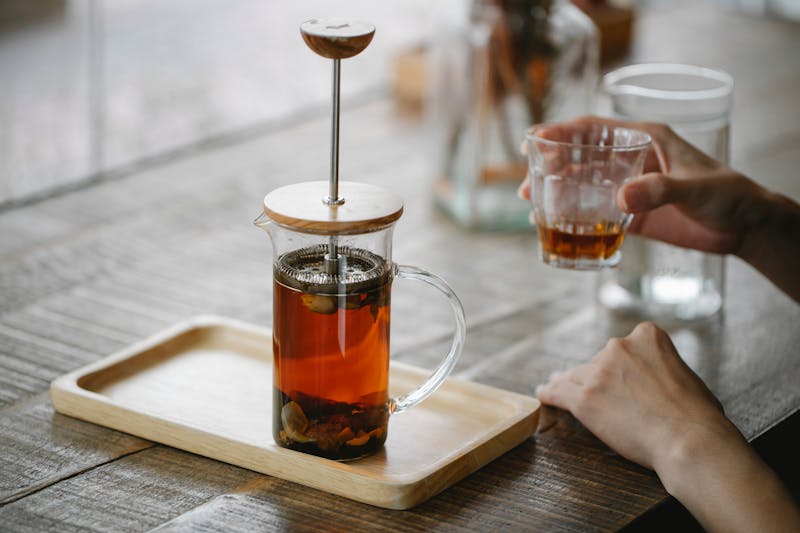
Method 2: French Press Method
A French press is highly effective because it combines steeping and filtering in one tool. Add your measured tea leaves, pour in hot water, and steep based on the tea type.
Slowly press the plunger down to trap the leaves at the bottom, then pour immediately to prevent over-extraction.
Method 3: Fine-Mesh Sieve or Strainer
This how to brew loose leaf tea method gives you more control over steeping. Let the tea leaves infuse freely in a pot or mug, then pour the liquid through a fine-mesh sieve into another cup.
It’s especially useful for smaller tea particles that would otherwise pass through standard strainers.
Method 4: Coffee Filter or Cheesecloth
For a more controlled infusion, place the tea leaves inside a coffee filter or cheesecloth and secure it to create a DIY tea bag. This allows for cleaner brewing. Alternatively, you can pour brewed tea through the filter to remove leaves with minimal residue.
Method 5: Two-Cup Method
This is a simple but clever how to brew loose leaf tea technique. Brew your tea in one cup, then place a second cup tightly over it and flip both together. The liquid transfers into the new cup while most leaves remain in the original, acting as a natural filter during the pour.
Method 6: Lidded Cup or Gaiwan
A lidded cup or gaiwan offers precise control similar to traditional tea brewing. After steeping, tilt the lid slightly to create a narrow gap and pour the tea out. The lid holds the leaves back, allowing you to control the flow and prevent over-steeping between pours.
5. How to Brew Loose Leaf Tea Without a Strainer
Brewing loose-leaf tea without a strainer is easier than it sounds and can still deliver a clean, enjoyable cup. With a few simple techniques, you can control the leaves and pour effectively using everyday items found in most kitchens.
Method 1: Grandpa Style
Add about 1 teaspoon of loose-leaf tea per cup directly into your mug, then pour in hot water. Let the leaves naturally sink to the bottom as they steep. When drinking, sip gently and use your lips to catch any floating leaves for a simple, no-tools approach.
Method 2: Two-Cup Method (Pour-Over)
A practical tip for how to brew loose leaf tea is using the two-cup method. Begin by steeping your tea leaves in one mug as usual. Then place a fork or similar utensil across the rim of a second mug to catch the leaves as you slowly pour the tea into it.
Method 3: Mason Jar Method
Combine tea leaves and hot water in a mason jar, then loosely cover it with the lid. After steeping, carefully tilt and pour while slightly holding the lid in place. This helps trap the leaves inside while the liquid flows out, acting as a basic built-in filter.
Method 4: French Press
When learning how to brew loose leaf tea, a French press is one of the easiest alternatives to a strainer. Add your tea leaves and hot water, allow them to steep properly, then gently press the plunger down. The mesh filter separates the leaves from the liquid, giving you a clean and controlled pour.
Method 5: Coffee Filter or Paper Towel
Place a coffee filter or paper towel over your mug and secure it if needed. Pour the brewed tea slowly through it, allowing the material to catch the leaves. This method works well for finer particles, though you should pour carefully to avoid tearing.
6. Final Words
Brewing tea at home becomes much more rewarding once you understand the small details that shape each cup. From choosing quality leaves to adjusting temperature and steeping time, every step plays a role in bringing out the best flavor and aroma.
If you’re looking to refine your skills further, exploring trusted resources can make a big difference. TeaKoe offers practical tips and easy-to-follow guides to help you master how to brew loose leaf tea with confidence.