
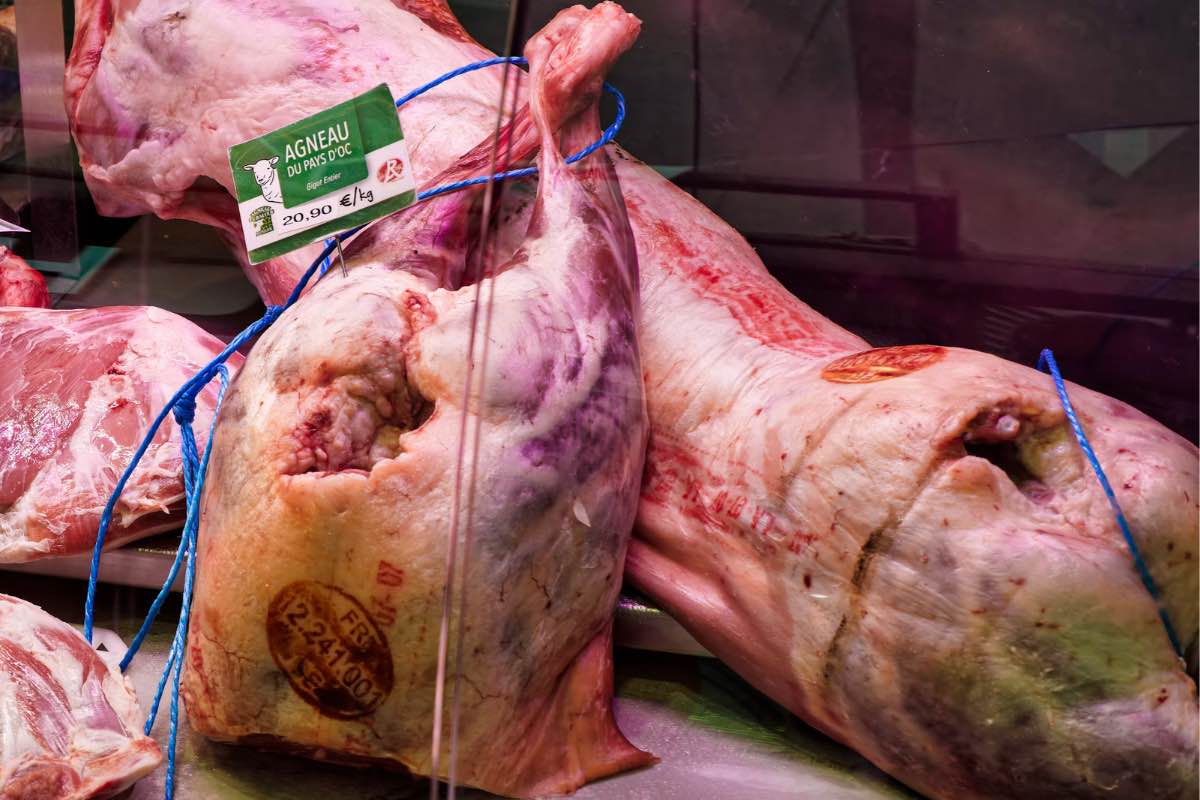

Lamb has a flavor that’s difficult to mistake for anything else. Rich and savory with subtle grassy notes, it can taste wonderfully tender and delicate or noticeably gamey, depending on the cut and preparation.
So, what does lamb taste like, and what makes its distinctive character so appealing to some people yet challenging for others? In this TeaKoe guide, discover the flavors behind lamb’s reputation, the factors that influence its taste, and simple ways to make it more enjoyable.
1. What Does Lamb Taste Like?
What does lamb taste like? Lamb has a rich, savory flavor with distinctive earthy, grassy, and sometimes mildly gamey notes. Compared to beef, its taste can feel slightly sweeter and more aromatic, partly due to natural compounds in its fat.
The intensity varies depending on the animal’s age, diet, and cut of meat. Grass-fed lamb often develops more pronounced herbal undertones, while grain-finished lamb may taste milder. When cooked properly, lamb offers a juicy, tender texture with satisfying savory depth.
2. Is Lamb Healthy? Key Nutritional Benefits Explained
Lamb isn’t just prized for its distinctive flavor; it also provides essential nutrients that support muscle health, energy production, and normal body functions.
Beyond asking what does lamb taste like, exploring its nutritional benefits can help you understand how this flavorful red meat fits into a balanced diet.
Provides High-Quality Protein for Muscle Health
Lamb is an excellent source of complete protein, supplying all nine essential amino acids needed for muscle growth, maintenance, and tissue repair. Protein also supports normal immune function and helps you feel satisfied after meals.
Lean cuts of lamb can provide substantial protein without excessive fat, making them a practical choice for people looking to maintain muscle mass while enjoying a varied diet.
Supplies Iron for Healthy Blood and Energy
Lamb contains heme iron, a form of iron that the body generally absorbs more efficiently than non-heme iron found in plant foods. Iron plays an essential role in producing hemoglobin, which carries oxygen throughout the bloodstream.
Adequate iron intake supports normal energy metabolism and helps prevent iron deficiency. Including lamb alongside vegetables and whole grains can contribute to a nutritionally balanced meal.
Supports Brain and Nerve Function With Vitamin B12
Lamb is naturally rich in vitamin B12, an essential nutrient involved in red blood cell formation, DNA synthesis, and normal nervous system function. Vitamin B12 also helps maintain healthy nerve cells and supports the body’s energy metabolism.
Because this vitamin occurs naturally in animal-derived foods, lamb can be a useful dietary source for people who include meat in their meals.
Provides Zinc for Immune Health
Zinc is another important mineral found in lamb, contributing to normal immune function, wound healing, and cellular growth. It also supports numerous enzyme reactions involved in protein synthesis and metabolism.
Lamb provides a readily available source of zinc, making it a valuable addition to a varied diet. However, its nutritional benefits are best enjoyed alongside vegetables, fruits, and other nutrient-rich foods.
Contains Selenium for Antioxidant Protection
Lamb supplies selenium, an essential trace mineral that supports thyroid hormone metabolism and the body’s antioxidant defense systems. Selenium contributes to the activity of enzymes that help protect cells from oxidative damage.
Although the amount varies depending on the cut and the animal’s diet, lamb can contribute to daily selenium requirements as part of a balanced eating pattern.
Provides Healthy Fats Alongside Saturated Fat
Lamb contains both saturated and unsaturated fats, including monounsaturated fatty acids that contribute to its rich flavor and satisfying texture.
The total fat content varies considerably between cuts, with lamb leg and trimmed loin generally offering leaner options.
Choosing lean cuts, trimming visible fat, and controlling portions can help you enjoy lamb while limiting saturated fat intake.
>>> Read More: What Does Duck Taste Like? Is It Really Just Greasy Chicken?
3. How to Enjoy Lamb if You Dislike Gamey Meat?
Lamb’s distinctive earthy flavor isn’t everyone’s favorite, but the right preparation can make it surprisingly delicious, even for picky eaters.
If you’re wondering what does lamb taste like without overwhelming gaminess, these simple tips can help you enjoy its rich, savory character in a more approachable way.
Choose Younger Lamb for a Milder Taste
Younger lamb typically has a gentler, less gamey flavor than meat from older sheep, making it a great introduction for beginners. Look for fresh lamb with a mild aroma and choose tender cuts such as loin chops or tenderloin.
These cuts offer a naturally delicate taste and pleasant texture, allowing you to enjoy lamb’s savory richness without an overly intense flavor.
Trim Excess Fat to Reduce Gaminess
Some of lamb’s characteristic gamey aroma comes from naturally occurring compounds concentrated in its fat. Removing thick layers of external fat before cooking can help create a cleaner, milder flavor.
However, avoid trimming away all the fat, as some contributes to moisture and richness. Choosing leaner cuts, such as trimmed leg or loin, can also make lamb more enjoyable.
Use Yogurt or Citrus-Based Marinades
Marinating lamb with yogurt, lemon juice, garlic, and fresh herbs adds brightness that balances its earthy flavor.
Yogurt can gently tenderize the meat’s surface, while citrus provides refreshing acidity that cuts through richness.
Rosemary, thyme, and oregano further complement lamb’s natural taste. Allow the meat to marinate in the refrigerator before cooking for a more flavorful, well-balanced result.
Season With Herbs and Aromatic Spices
The right seasonings can make lamb’s bold flavor feel more balanced and familiar. Rosemary and garlic bring classic savory warmth, while mint adds refreshing contrast to its richness.
Cumin, coriander, and paprika introduce gentle spice without completely masking the meat. Experiment with different combinations to discover which flavors complement your preferred lamb dishes, starting with small amounts and adjusting gradually.
Start With Ground Lamb in Familiar Dishes
Ground lamb offers an approachable way to experience its distinctive flavor without committing to a large roast or steak. Try incorporating it into meatballs, burgers, kebabs, or pasta sauces alongside onions, garlic, and herbs.
Mixing ground lamb with beef can also soften its stronger notes. Familiar recipes help balance the meat’s richness while introducing its unique savory character.
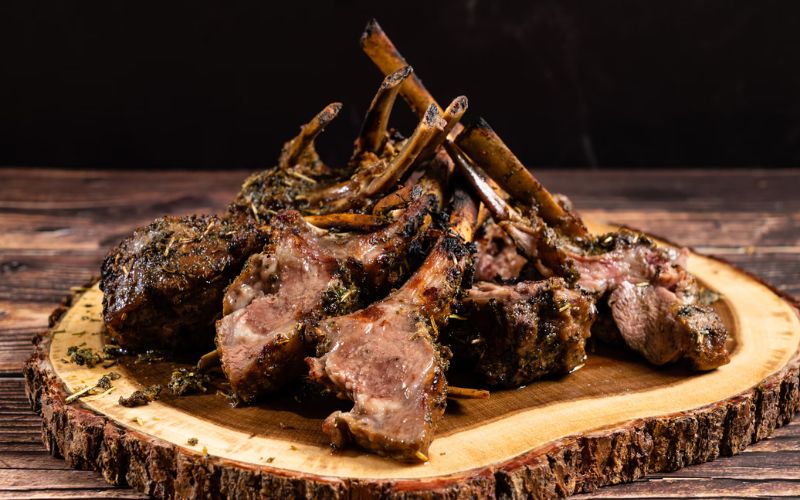
Try Roasting, Grilling, or Slow Braising
Roasting, grilling, and slow braising each bring out different qualities in lamb, from its natural richness to its tender texture.
Exploring what does lamb taste like across these cooking methods reveals how roasting creates a flavorful crust, while grilling adds smoky depth that balances the meat’s earthy notes.
Balance Lamb With Fresh, Tangy Side Dishes
Pairing lamb with refreshing accompaniments can make its rich, earthy flavor feel lighter and more enjoyable.
Cucumber yogurt sauce, mint chutney, lemon-dressed salads, and roasted vegetables provide pleasant contrasts without overpowering the meat.
4. FAQs about Lamb Taste
Lamb’s distinctive flavor can raise a few questions, especially if you’re trying it for the first time. From its naturally strong aroma to its compatibility with different recipes, these answers will help you better understand what to expect.
Is lamb supposed to taste strong?
Yes, lamb naturally has a richer, more pronounced flavor than chicken or pork, often featuring earthy, grassy, and mildly gamey notes. However, the intensity depends on the animal’s age, diet, and cut, with younger lamb generally offering a milder taste.
Does lamb taste better than mutton?
Lamb typically has a milder, sweeter flavor and more tender texture than mutton, making it more approachable for first-time eaters. Mutton comes from older sheep and develops a stronger, deeper, and more gamey character that appeals to those who enjoy bold meat flavors.
Why does lamb sometimes smell unusual?
Lamb’s distinctive aroma comes partly from naturally occurring fatty acids and other compounds in its fat, which can become more noticeable during cooking. While a characteristic earthy or gamey smell is normal, sour, rotten, or otherwise unpleasant odors may indicate spoilage, and the meat should not be eaten.
Does lamb taste good in curry?
Yes, lamb works exceptionally well in curry because its rich, savory flavor complements aromatic spices such as cumin, coriander, turmeric, and ginger. Slow cooking also helps tenderize tougher cuts, allowing the meat to absorb the sauce’s flavors while creating a satisfying, well-balanced dish.
>>> Read More: How to Reheat Honey Baked Ham Without Drying Out the Sweet Glaze
5. Final Thoughts
Lamb isn’t just another red meat. Its rich, savory flavor carries a distinctive earthy character that can be beautifully mellow or pleasantly bold, depending on how it’s prepared.
If you’ve ever wondered what does lamb taste like, the experience may surprise you, especially with tender cuts and fragrant herbs that complement its natural richness. Discover more unique flavors and culinary inspiration with TeaKoe.