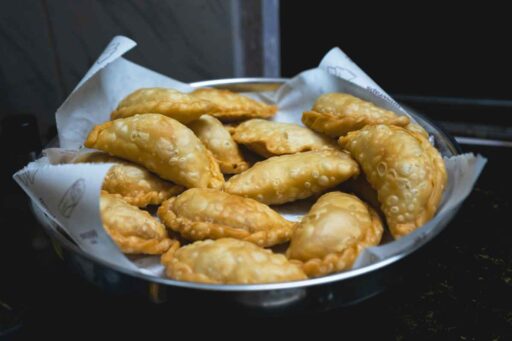
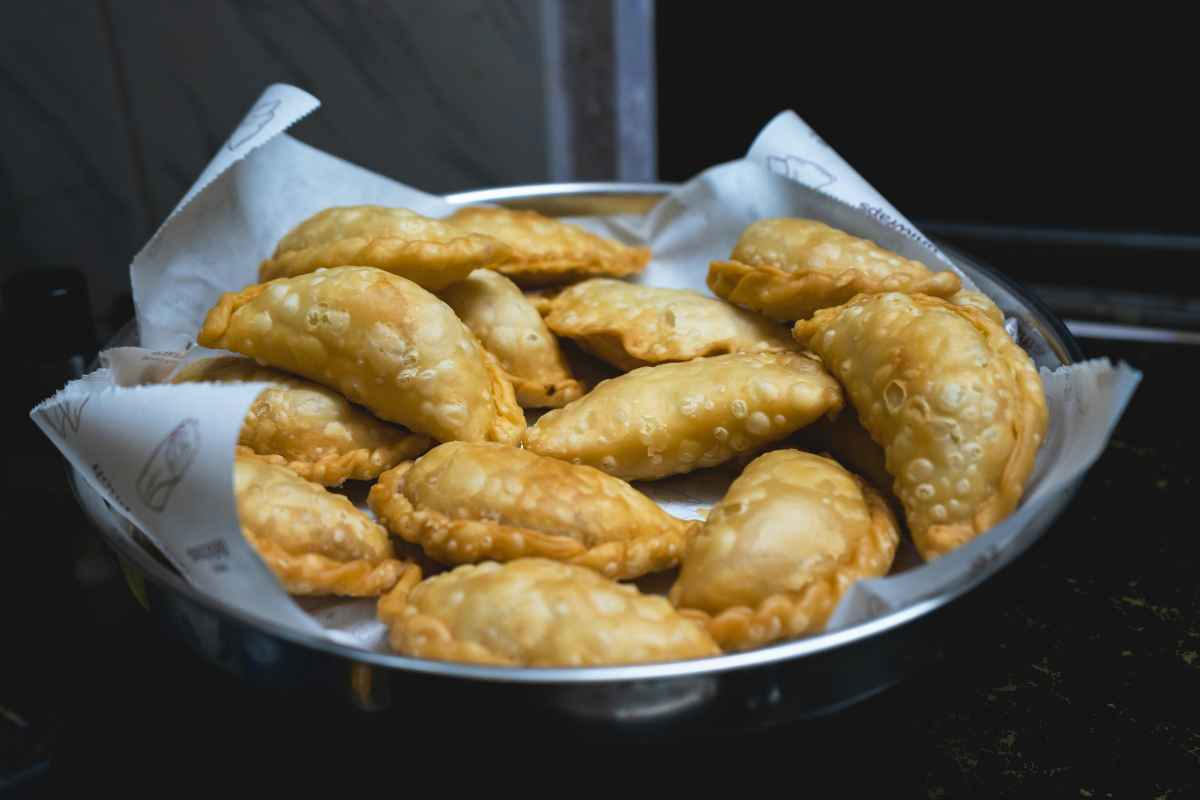

Empanadas can be frustrating leftovers because the pastry may turn soft long before the filling becomes properly hot. With how to reheat empanadas, the goal is to warm the center without sacrificing the crisp, flaky shell around it.
1. Should You Thaw Empanadas Before Reheating Them?
No, thawing is usually unnecessary. Frozen empanadas can go directly into the oven or air fryer, which may actually help the pastry maintain a better structure as the filling warms.
2. How to Reheat Empanadas: Find the Best Way
Pastry texture changes quickly once steam starts building inside an empanada, so the right balance of heat and airflow matters.
Oven or Toaster Oven
The oven is the strongest all-around choice when you want the crust to stay flaky while the filling warms steadily. Using a wire rack also keeps the bottom away from trapped moisture, which helps prevent the soggy base that often develops on a flat tray.
- Preheat the oven to 300°F (150°C).
- Arrange refrigerated empanadas uncovered on a wire rack.
- Leave space between each piece so hot air can circulate freely.
- Heat for about 10 to 15 minutes, depending on size.
- Use a toaster oven for roughly 7 to 10 minutes.
- For especially large empanadas, a very short microwave burst before oven reheating can give the filling a head start.
- If you are deciding how to reheat empanadas without softening the shell, avoid wrapping them tightly in foil.
- Check the center before serving rather than judging readiness only from the crust.
Air Fryer
The air fryer is particularly useful for fried empanadas because the strong circulation revives crispness quickly. It works for baked versions too, although the pastry can become slightly drier than it would in the oven if you leave them in for too long.
- Set the air fryer to 350°F (180°C).
- Place the empanadas in a single layer.
- Keep each piece separated to maximize airflow.
- Lightly mist fried empanadas with oil only if the crust looks dry.
- Skip extra oil when the pastry already feels greasy.
- Reheat for about 4 to 6 minutes.
- Check smaller pieces early because they can crisp quickly.
- Remove them as soon as the outside feels crisp and the center is hot.
- Let them sit briefly before biting in, since hot steam may remain trapped inside.
Stovetop Skillet
The stovetop is best suited to fried empanadas rather than delicate baked ones. A little oil can restore a freshly fried texture, but temperature control matters because oil that is too cool encourages greasiness, while overly hot oil can darken the pastry before the filling warms.
- Pour enough oil into a skillet to coat the bottom generously.
- Heat it to around 350°F (180°C).
- Add the empanadas without overcrowding the pan.
- Cook for about 3 to 4 minutes total.
- Turn them halfway through so both sides crisp evenly.
- Reduce the heat if the shell browns too quickly.
- Transfer the empanadas to a wire rack or paper towel to drain excess oil.
- Use this method mainly for previously fried empanadas.
- Avoid adding unnecessary oil to baked empanadas, which can make them heavier rather than fresher.
>>> Read More: How to Reheat Bread Without Sacrificing the Crust or Crumb
3. What Are Pro Tips for Bringing Back a Crisp Empanada Shell?
Crisp pastry depends less on blasting empanadas with heat and more on controlling moisture around the shell.
Use a Wire Rack in the Oven
A wire rack allows hot air to reach the bottom instead of trapping steam against a baking sheet. This small setup change can noticeably improve crispness and is especially useful for baked empanadas with delicate pastry.
Keep Foil Away From the Crust
Foil can hold moisture close to the pastry and soften the exterior. For how to reheat empanadas with a crisper shell, leave them uncovered and rely on moderate heat rather than wrapping them tightly during reheating.
Give Each Empanada Space
Crowded baskets and trays restrict airflow, leaving damp spots where pieces touch. Arrange empanadas in one layer with a little room between them, even if that means reheating a large batch in more than one round.
Use Oil Only Where It Helps
Fried empanadas may benefit from a light oil mist in the air fryer or a small amount of oil in a skillet. Baked empanadas generally do not need it, and excess fat can make the shell greasy instead of crisp.
Check the Filling Before Extending the Time
A crisp exterior does not guarantee a hot center. Insert a thin knife into the thickest part and check whether the metal feels warm after removal, or use an appropriate food thermometer when needed.
4. Empanada Reheating FAQs
Size, filling type, and whether the empanada starts refrigerated or frozen can change both the timing and the best method.
Learning how to reheat empanadas correctly helps you restore that flaky, golden crust while keeping the filling piping hot and flavorful.
Can you reheat empanadas straight from the fridge?
Yes. Refrigerated empanadas can go directly into a preheated oven or air fryer without sitting at room temperature first. Oven reheating usually takes around 10 to 15 minutes at 300°F, while the air fryer is quicker at about 4 to 6 minutes.
How do you reheat meat empanadas?
Use the oven or air fryer so the filling has time to heat while the pastry stays crisp. Larger meat empanadas may need a little extra time, so check the thickest part before serving rather than removing them as soon as the outside looks browned.
How do you reheat cheese empanadas?
Moderate heat works best because cheese can become extremely hot before the shell shows obvious signs of overheating. The oven offers gentle, even warming, while an air fryer works well if you want a crisper exterior.
What temperature should you use to reheat empanadas?
For refrigerated empanadas, about 300°F in the oven or 350°F in the air fryer works well. In accordance with the official USDA safe food temperature chart, leftovers should reach an internal temperature of 165°F.
5. Final Thoughts
Empanadas are at their best when the filling is piping hot, but the pastry still breaks with a light, crisp bite. How to reheat empanadas becomes much easier once you match the method to the shell, size, and whether they are refrigerated or frozen.
TeaKoe offers more kitchen guidance for making leftovers feel worth serving again. Good airflow, moderate heat, and careful timing can bring yesterday’s empanadas surprisingly close to their original texture.