

Freezing bread preserves freshness surprisingly well, but the reheating method determines whether it comes back soft, crisp, or disappointingly dry. This guide explains how to reheat frozen bread for whole loaves, individual slices, and soft rolls while protecting both crust and crumb.
You will also learn practical ways to revive texture after freezing. For more everyday reheating ideas, explore TeaKoe’s related guides and articles.
1. Should You Thaw Frozen Bread Before Reheating It?
Not always. Individual slices can go straight from the freezer into a toaster, while whole artisan loaves often benefit from partial or full thawing before a short oven refresh.
2. How to Reheat Frozen Bread?
How to reheat frozen bread? Bread size and texture should guide the reheating method rather than using one temperature and timing for everything.
Whole crusty loaves need gradual warming, whereas slices and rolls can be refreshed much faster with less risk of drying out.
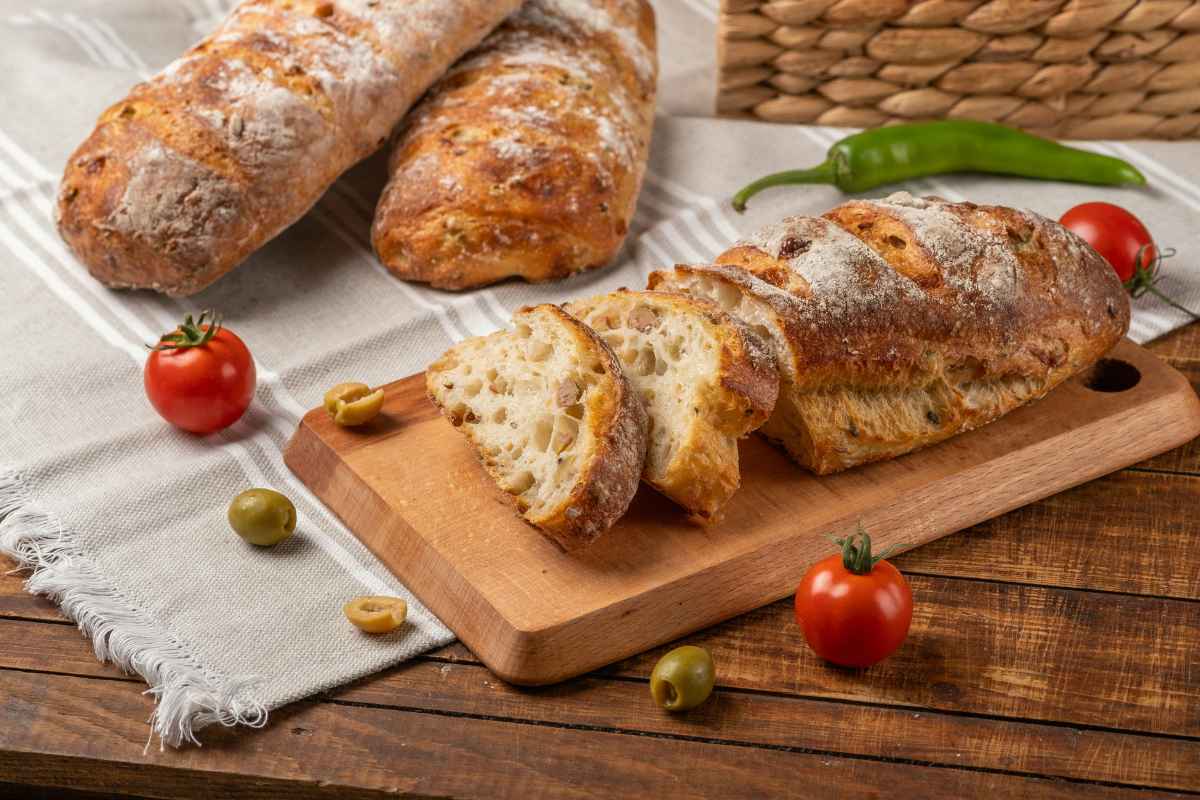
Whole Loaves and Artisan Bread
Large loaves need enough time for the center to warm without allowing the crust to become excessively hard.
- Remove the loaf from the freezer and keep it wrapped while it thaws.
- Let a baguette or smaller loaf thaw until still slightly cool rather than fully warm.
- Preheat the oven to 350°F.
- Lightly spray or sprinkle crusty bread with water if the exterior seems dry.
- Place it directly on the oven rack or tent loosely with foil if over-browning is a concern.
- Heat for roughly 10 to 15 minutes, depending on loaf size.
- When practicing how to reheat frozen bread, check the center before extending the time simply to crisp the crust.
- Let the loaf rest briefly before slicing so the interior moisture settles.
Individual Slices
Frozen slices are the easiest form of bread to reheat because their small size allows heat to reach the center quickly.
- Remove only the number of slices you plan to eat.
- Separate any pieces that froze together without forcing or breaking them.
- Put frozen slices directly into a toaster or toaster oven.
- Use a medium setting first, then add another short cycle if needed.
- For softer bread, let slices thaw at room temperature for about 30 minutes instead.
- Avoid extended microwave heating because it can make bread tough as moisture evaporates.
- Serve immediately after toasting, when the outside is crisp, and the center is still tender.
Soft Rolls and Buns
Soft rolls need gentler treatment because too much dry heat can harden the exterior before the center warms through.
- Remove the number of rolls you need and leave them wrapped while thawing.
- Let them sit at room temperature for roughly one hour, depending on size.
- Preheat the oven to around 325°F to 350°F.
- Wrap the rolls loosely in foil to limit moisture loss.
- Heat for several minutes, checking early so they do not dry out.
- For one roll in a hurry, wrap it in a damp paper towel and microwave for about 30 to 45 seconds.
- Serve soon after reheating, especially if you used the microwave, because softness can fade quickly.
>>> Read More: How to Reheat Olive Garden Breadsticks So They Stay Soft and Buttery
3. What are the Practical Tips for Making Frozen Bread Taste Fresh Again?
Bread loses quality mainly through moisture movement, freezer exposure, and excessive reheating rather than freezing alone.
A few simple habits before freezing and during reheating can make the crumb softer, the crust crisper, and the final result much closer to fresh bread.
- Freeze in useful portions: Slice or divide bread before freezing so you only need to reheat what you plan to eat.
- Wrap it tightly: Airtight wrapping reduces freezer burn and moisture loss.
- Use water for crusty loaves: Lightly spraying a dry artisan loaf before reheating can help recreate surface steam and improve the crust without soaking the crumb.
- Match the method to the bread: Toasters work especially well for frozen slices, while a 350°F oven suits whole artisan loaves. This is one of the most important parts of how to reheat frozen bread successfully.
- Avoid overheating: Once the bread is warm and the crust has refreshed, take it out. Following standard leftover safety guidelines, warming food safely does not mean overcooking it; extra oven time removes moisture from the crumb and can leave the bread tougher than before.
- Be careful with the microwave: Microwave heat can soften bread temporarily, but the texture may quickly become dry or hard afterward.
- Eat refreshed bread promptly: Reheated bread tastes best soon after warming, particularly slices and rolls.
4. Frozen Bread Questions, Answered
Frozen bread behaves differently depending on whether you are dealing with a large loaf, a thin slice, or a crusty artisan style.
Can frozen bread go directly into the oven?
Yes, some bread can be reheated directly from frozen, but large loaves generally reheat more evenly after thawing first. For the best texture, we recommend thawing larger bread before reheating it in a 350°F oven.
How long does a whole frozen loaf take to reheat?
Once thawed, many whole loaves need roughly 10 to 15 minutes in a 350°F oven, although size and density can change the timing. We recommend checking the loaf as it reheats rather than relying on a fixed time alone.
Can frozen slices go straight into a toaster?
Yes. Frozen bread slices can go directly from the freezer into a toaster or toaster oven without thawing first. We recommend freezing bread in small portions specifically so you can toast only what you need.
How do you restore the crust after freezing?
Lightly spray or sprinkle a crusty loaf with water, then warm it uncovered in a 350°F oven for several minutes. The combination of moisture and oven heat helps restore a crisper exterior while warming the crumb.
5. Final Thoughts
A freezer stay doesn’t have to leave bread dry, tough, or disappointing. With the right approach to how to reheat frozen bread, you can restore much of the contrast between a crisp exterior and a soft, pleasant crumb.
Proper portions and careful moisture control help protect the texture from the first minute to the last. For more useful ways to revive stored foods and reduce waste, explore TeaKoe’s practical kitchen