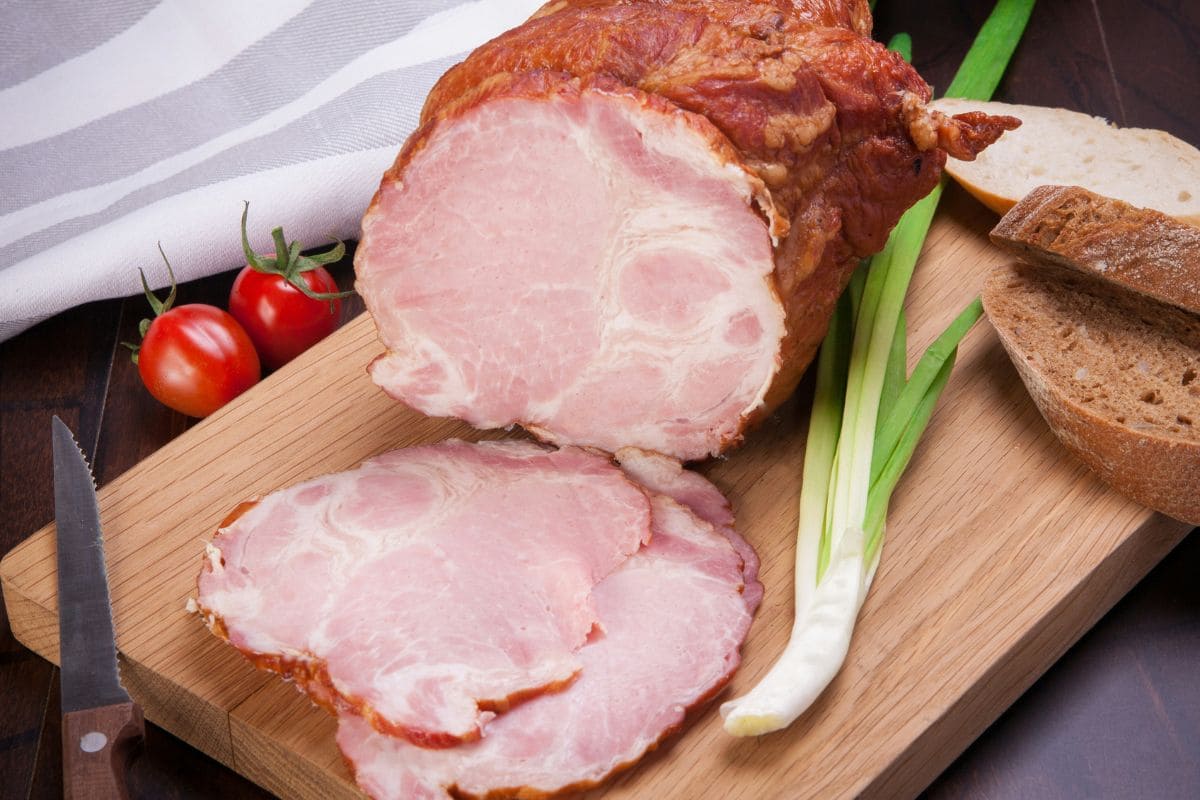

Reheated ham can still be juicy, tender, and flavorful when the temperature and timing are handled carefully. If you’re learning how to reheat ham, the right approach will depend on whether you have individual slices or a larger portion to warm.
This TeaKoe guide walks through oven, stovetop, microwave, and air fryer methods, with practical tips for protecting the meat’s moisture, texture, and glaze.
1. How to Reheat Ham: 4 Quick Methods
Different reheating methods give ham noticeably different results, from soft and juicy to caramelized and slightly crisp.
Oven Method
The oven is ideal for warming larger portions or whole spiral-cut hams evenly. Knowing how to reheat ham in the oven involves preheating to a gentle 325°F, placing the ham in a baking dish with a splash of broth, and covering it tightly with foil to trap the steam.
- Place a skillet over medium or medium-low heat.
- Arrange the ham in a single layer rather than stacking it heavily.
- Add a spoonful of cooking juices or stock if you want extra moisture.
- Cover briefly and warm each side for only a couple of minutes.
- For more caramelization, use a lightly oiled skillet and slightly higher heat.
- Watch thin slices closely because they dry out faster than thick portions.
- Remove the ham as soon as it is hot rather than continuing to cook it.
Stove Method
Air frying is useful when you prefer concentrated flavor and lightly caramelized edges. The circulating hot air reheats ham faster than a conventional oven, but it can also remove moisture quickly, especially from thin slices.
- Preheat or set the air fryer to about 325°F.
- Arrange the ham in a single layer or a loose stack that allows air circulation.
- Heat for several minutes, checking early if the slices are thin.
- Turn or rearrange pieces midway through reheating.
- Remove the ham once the center is hot and the edges are lightly caramelized.
- Avoid extending the cooking time simply for extra browning.
- Thicker slices generally handle the air fryer better than delicate spiral-cut pieces.
Microwave Method
Air frying is useful when you prefer concentrated flavor and lightly caramelized edges. The circulating hot air reheats ham faster than a conventional oven, but it can also remove moisture quickly, especially from thin slices.
- Preheat or set the air fryer to about 325°F.
- Arrange the ham in a single layer or a loose stack that allows air circulation.
- Heat for several minutes, checking early if the slices are thin.
- Turn or rearrange pieces midway through reheating.
- Remove the ham once the center is hot and the edges are lightly caramelized.
- Avoid extending the cooking time simply for extra browning.
- Thicker slices generally handle the air fryer better than delicate spiral-cut pieces.
2. How to Tell When Ham Has Been Reheated Enough
Ham should be hot through the center without showing obvious signs of continued cooking.
Since most leftover ham is already cooked, the goal of learning how to reheat ham properly is to restore serving temperature while preserving its original moisture and tenderness.
The Center Feels Hot
Check the thickest portion rather than judging only by the surface. A proper how to reheat ham technique should leave the middle comfortably hot without making the outer edges dry or tough.
For larger pieces, a food thermometer gives a more reliable reading than appearance alone.
The Slices Feel Warm and Flexible
Properly reheated slices should remain tender and easy to bend or cut. If they become stiff, leathery, or difficult to separate, they have likely spent too long over direct or dry heat.
The Fat Looks Softened
Fat around the edges should soften slightly as the ham warms. Some rendering is normal, but large amounts of melted fat combined with shrinking meat can signal that the ham is moving beyond reheating and into additional cooking.
The Glaze Looks Warm, Not Burned
Glazed ham should look glossy and warm, with perhaps a little caramelization around the edges. Very dark, sticky, or scorched glaze usually means the surface is heating faster than the center and needs lower heat or more protection.
3. What are the Five Signs You’re Drying the Ham?
Dryness often appears gradually, so spotting early warning signs can save the ham before the texture becomes tough. Thin spiral slices are especially vulnerable because their large exposed surfaces lose moisture much faster than a thick piece of meat.
Edges Begin Curling
Curling edges often indicate that the outer portions are losing moisture faster than the center can warm. When practicing how to reheat ham, lower the heat, cover the dish, or remove thin slices sooner if their edges begin tightening noticeably.
Cut Surfaces Look Dry
Freshly cut ham should retain some sheen from moisture and fat. When exposed surfaces start looking dull, matte, or slightly leathery, the meat is drying out. Covering the ham or adding a small amount of flavorful liquid can slow further moisture loss.
Spiral Slices Start Separating
Spiral-cut ham naturally separates somewhat, but pronounced gaps between slices can develop as moisture evaporates and the meat contracts.
Keeping the slices loosely stacked or overlapped during reheating helps them insulate one another and retain more moisture.
Pan Juices Disappear
Juices or rendered fat around the ham help maintain moisture during reheating. If the pan becomes completely dry before the center is hot, the meat may begin drying rapidly. Cover the dish or add a small amount of stock or reserved cooking liquid if needed.
Glaze Darkens Before the Center Is Hot
Fast browning on the glaze while the interior remains cool means the surface temperature is too high. Lower the heat and cover the ham so warmth moves inward more gently.
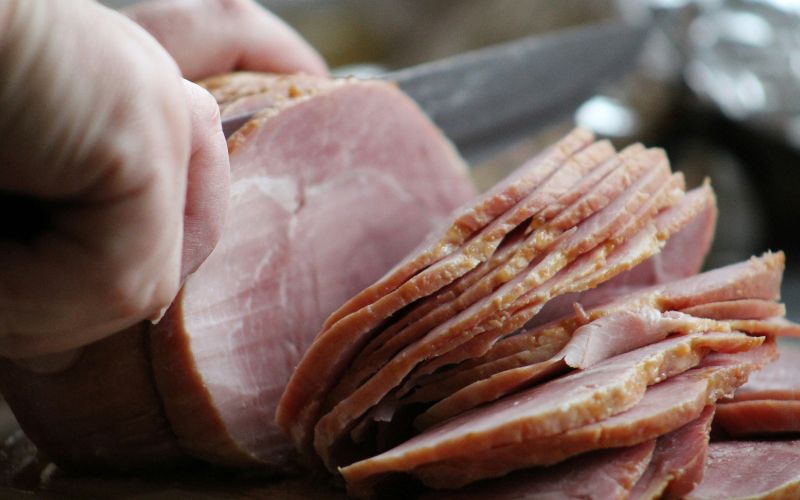
4. Questions about Keeping Reheated Ham Juicy
Moisture loss is the main reason leftover ham turns tough during reheating, especially with thin slices or long heating times.
Should you add liquid when reheating ham?
Not always. If the ham already has plenty of natural juices or glaze, covering it may be enough to retain moisture. However, when reheating a larger portion for a longer time, adding a small amount of liquid helps protect against drying.
Following the official USDA safe food temperature chart, ensure the ham reaches an internal temperature of 165°F (or 140°F for pre-packaged ham) to keep it safe, tender, and juicy.
What liquid can you add to ham when reheating?
Broth, stock, reserved ham juices, apple juice, or a small amount of water can all help restore moisture.
Choose a liquid that complements the ham’s seasoning and glaze. Add it gradually, since too much can dilute the flavor and soften the surface more than intended.
Does covering ham with foil keep it moist?
Yes. Foil traps steam around the ham and slows moisture loss, which is especially useful in the oven. Keep the dish covered during most of the reheating time, then remove the foil briefly at the end if you want the glaze to look shinier or slightly caramelized.
How do you fix slightly dry leftover ham?
Move slightly dry ham to a covered skillet or baking dish and add a small amount of broth, stock, or reserved juices. Warm it slowly over low heat so the moisture can soften the slices. Avoid high heat, which can make the meat even tougher and drier.
>>> Read More: How to Reheat Pork Tenderloin Without Overcooking a Single Slice
5. Final Thoughts
Juicy reheated ham comes down to gentle heat, short cooking times, and enough moisture to protect the meat. Following how to reheat ham carefully helps preserve tenderness while keeping the glaze flavorful and the slices from drying out.
TeaKoe shares more practical reheating guides for everyday leftovers. Covering the ham and checking it early can make the final texture much closer to freshly served.