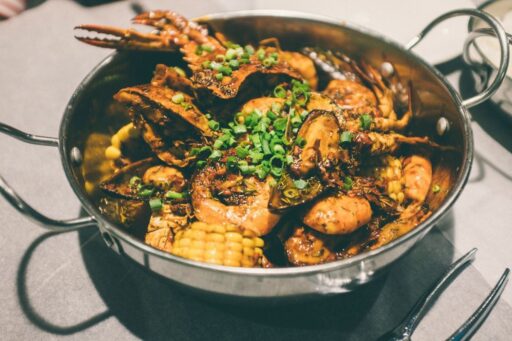
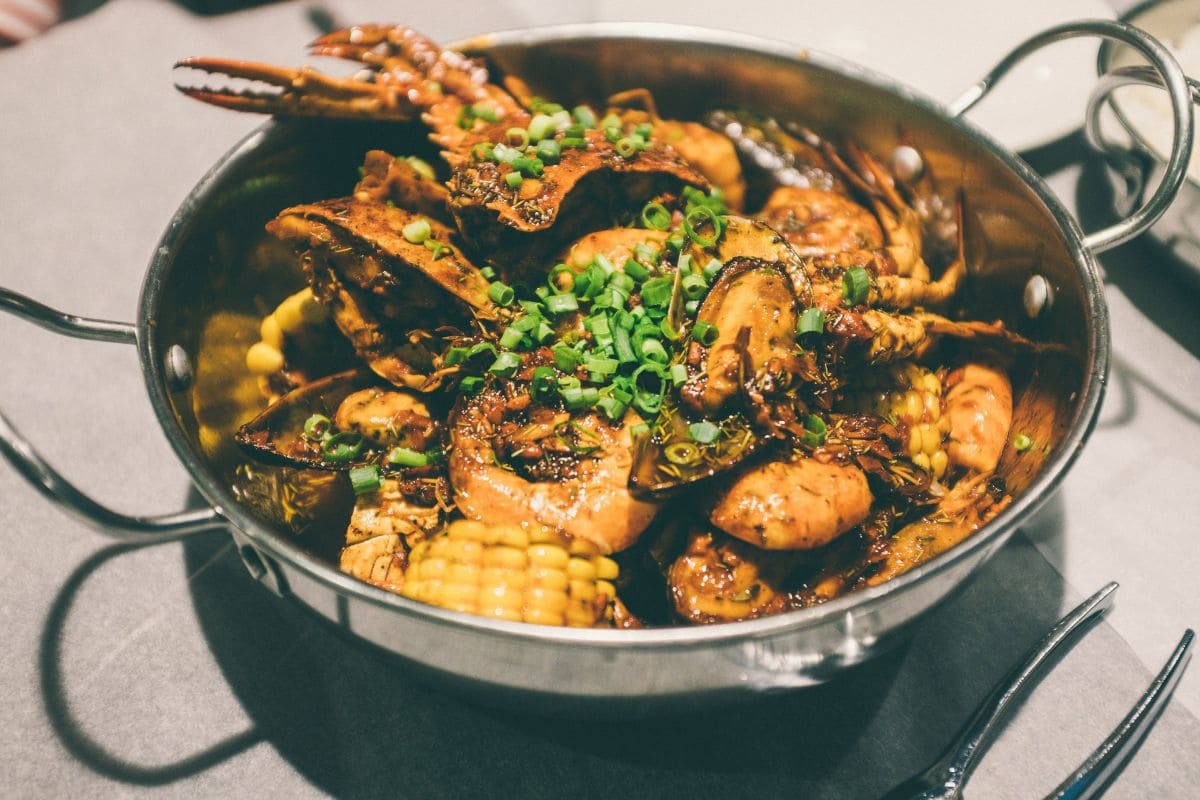

A seafood boil is all about juicy shellfish, bold seasoning, and a rich, buttery sauce, and those qualities do not have to disappear the next day.
If you are wondering how to reheat a seafood boil bag, choosing the right method can make a noticeable difference in texture and flavor. This article covers stovetop, oven, and microwave options, along with important tips for handling the original bag safely.
1. Can You Reheat a Seafood Boil in the Original Bag?
Yes, you can reheat a seafood boil in its original bag if the packaging is clearly labeled food-grade and heat-safe.
Keep the bag sealed and warm it in hot or gently boiling water rather than placing it in the microwave, where unsuitable plastic may melt, warp, or release unwanted chemicals.
2. How to Reheat a Seafood Boil Bag in 3 Main Ways
The best reheating method depends on whether the original bag is safe for heat and how much control you want over moisture.
On the Stovetop
Stovetop reheating works especially well when the original seafood boil bag is rated for hot-water use.
When following how to reheat a seafood boil bag, steady heat helps warm the seafood and sauce evenly without exposing delicate shellfish directly to the pan.
- Fill a large pot with enough water to surround most of the sealed bag.
- Bring the water to a gentle boil or strong simmer.
- Check that the bag is fully sealed and undamaged before placing it in the pot.
- Lower the bag carefully into the water using tongs.
- Heat for about 10 to 15 minutes, depending on portion size and starting temperature.
- Turn the bag occasionally so heat reaches all sides evenly.
- Remove it carefully, open away from your face, and confirm the seafood is steaming hot throughout.
In the Oven
Oven reheating is a good alternative when you want to take the seafood out of the bag or the packaging is not designed for heating. Covering the seafood helps trap steam and protects shrimp, crab, sausage, corn, and potatoes from drying out.
- Preheat the oven to about 325°F to 350°F.
- Transfer the seafood boil and its sauce to an oven-safe dish.
- Spread the ingredients into an even layer rather than stacking them tightly.
- Add a small splash of broth, water, or extra butter if the mixture looks dry.
- Cover the dish tightly with foil or an oven-safe lid.
- Heat for roughly 15 to 20 minutes, checking sooner for smaller portions.
- Stir or turn the ingredients once if needed.
- Remove when everything is hot throughout without allowing the seafood to overcook.
In the Microwave
Microwaving is best reserved for seafood that has been removed from the original bag, unless the packaging specifically states that it is microwave-safe.
Transfer a small portion to a microwave-safe dish, spoon some butter sauce over the top, and cover loosely. Heat at medium power in short intervals of 30 to 60 seconds, stirring or rearranging between rounds.
>>> Read More: How to Reheat Lobster Without Making It Tough or Rubbery
3. How Long to Reheat a Seafood Boil Bag?
Knowing how to reheat a seafood boil bag includes understanding the timing. Most sealed, heat-safe seafood boil bags need about 10 to 15 minutes in gently boiling or simmering water.
Bigger or colder portions may require a little more time, while smaller servings can warm faster. Turn the bag occasionally so heat distributes evenly, then check that the seafood and sauce are thoroughly hot before serving.
4. What If the Seafood Boil Bag Is Not Heat-Safe?
Unsafe packaging should never be placed in boiling water, the oven, or the microwave simply because it originally held hot food.
Transfer the seafood and sauce to cookware designed for reheating so you can warm everything safely without sacrificing too much moisture.
Reheat it in a Covered Skillet
Place the seafood boil in a large skillet with the remaining sauce and add a small splash of water or broth if needed.
Cover and warm over low to medium-low heat, stirring gently. This approach works well for how to reheat a seafood boil bag after removing food from unsafe packaging.
Transfer it to a Covered Oven-safe Dish
Move the seafood, vegetables, sausage, and sauce into an oven-safe baking dish. Cover tightly with foil or a lid to trap steam, then heat at a moderate temperature until warmed through. Keeping the dish covered helps reduce moisture loss and protects shellfish from becoming dry.
Keep the Leftover Butter Sauce with the Seafood
Do not discard the seasoned butter or cooking liquid when transferring leftovers. The sauce helps carry heat, maintain moisture, and restore flavor during reheating.
Spoon it over the seafood before warming and stir gently afterward so the ingredients are coated evenly.
5. Quick Answers about Reheating Seafood Boil Bags
Packaging type, storage time, and portion size can all change the best way to reheat leftovers.
Should you open the bag before reheating it?
Keep the seafood in the original bag only if the packaging or manufacturer specifically indicates that it is suitable for reheating by that method. FDA guidance emphasizes using food packaging according to its intended conditions of use.
Can you reheat a seafood boil bag the next day?
Yes, provided the seafood was refrigerated promptly after the original meal and stored safely. Reheat only the amount you plan to eat and warm it thoroughly before serving.
What should you do if the original bag is damaged?
Do not heat a leaking, torn, or weakened bag in boiling water. Transfer everything, including the sauce, to suitable cookware and reheat using the stovetop, oven, or microwave.
Can you reheat only part of a seafood boil bag?
Yes. Remove the portion you want to eat and transfer it to a smaller covered pan or microwave-safe dish with some of the sauce. Keep the remaining seafood refrigerated and avoid repeatedly warming and cooling the same batch.
6. Final Thoughts
A good seafood boil deserves to stay flavorful even the second time around. With the right method, how to reheat a seafood boil bag becomes less about simply warming leftovers and more about preserving tender shellfish, seasoned vegetables, and rich sauce.
Always confirm that the bag is heat-safe before using it for reheating. For more ways to give leftovers a delicious second life, explore TeaKoe’s practical kitchen guides.