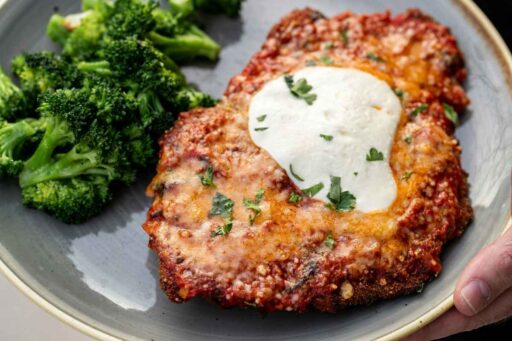
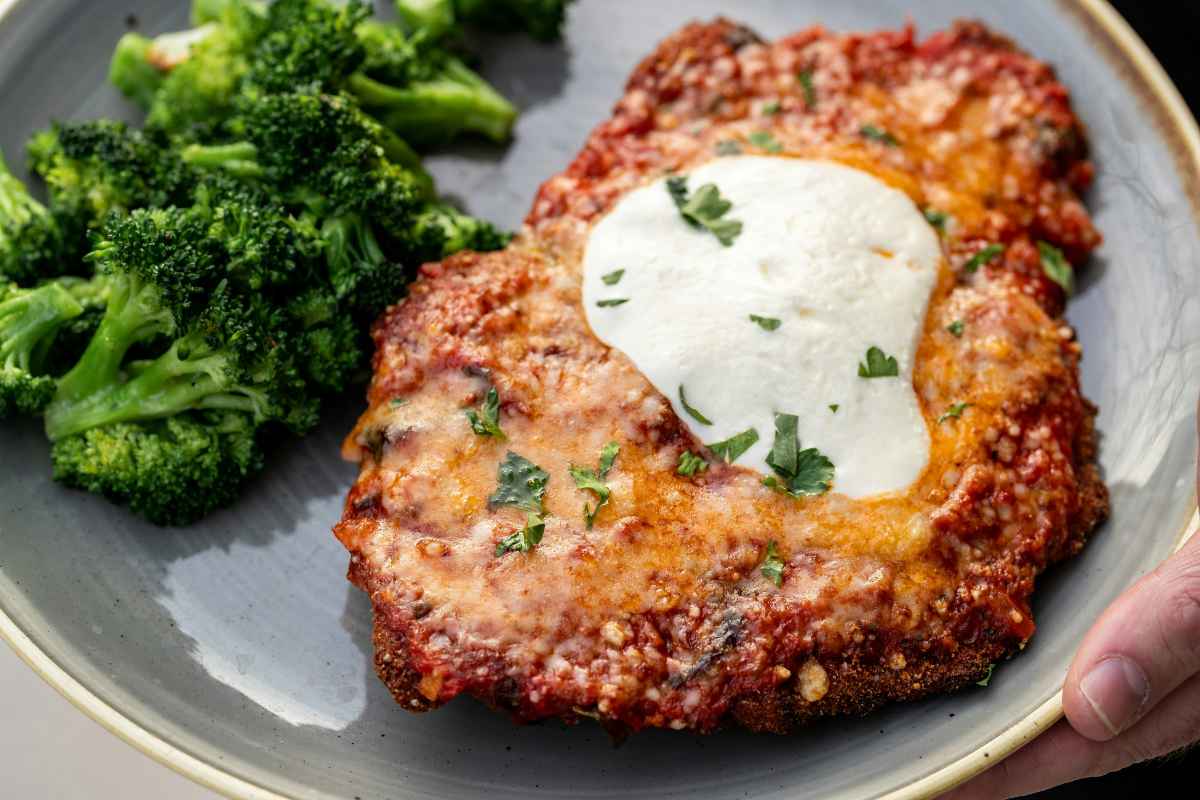

Chicken Parmesan can lose its best qualities when the breading, sauce, cheese, and meat are reheated without enough control. Knowing how to reheat chicken parm helps revive the crisp coating while warming the center and melting the cheese without drying the chicken.
This guide compares each layer, explains the complete reheating process, and identifies common mistakes. Refer to TeaKoe’s article below for more practical leftover guidance.
1. Why Is Chicken Parm One of the Hardest Leftovers to Reheat?
Chicken Parm combines several layers that respond differently to heat. Tomato sauce adds moisture that can soften the fried breadcrumb coating, while melted cheese may brown before the chicken warms completely.
Microwave heat often makes the crust mushy, whereas excessive oven time can dry the breast. Successful reheating therefore requires balanced temperature, airflow, and moisture control.
>>> Read More: How to Reheat Chicken Tenders in Air Fryer for a Crispy Coating
2. Which Part of Your Chicken Parm Needs the Most Protection?
Every component faces a different reheating risk, so protecting only the chicken is not enough.
| Component | Main Reheating Risk | Best Protection Strategy | Sign of Proper Reheating |
|---|---|---|---|
| Breaded crust | Tomato sauce and trapped steam can make it soft or soggy. | Use a dry oven or air fryer heat and avoid covering the entire portion tightly. | The exposed edges feel firm and lightly crisp. |
| Chicken breast | Prolonged heat can remove moisture and make the meat tough. | Reheat at a moderate temperature and remove it as soon as the center is hot. | The meat remains juicy and easy to cut. |
| Tomato sauce | Strong heat can thicken, scorch, or dry the sauce. | Keep the sauced area away from direct intense heat and add a small spoonful when necessary. | The sauce is hot, glossy, and still spreadable. |
| Melted cheese | Cheese can brown, harden, or release excess oil. | Cover it loosely at first or place the dish away from the upper heating element. | The cheese is soft and melted without dark, dry patches. |
| Thick center | The exterior may become overcooked before the middle warms. | Use moderate heat and check the center with a food thermometer. | The thickest part reaches 165°F (74°C). |
3. How to Reheat Chicken Parm Step by Step
Oven reheating provides steady heat that can warm the chicken while restoring some crispness to the breading.
- Remove the chicken from the refrigerator: Take out only the portion you intend to serve. Leaving the remaining pieces chilled avoids repeatedly warming and cooling the full batch.
- Preheat the oven: Set the temperature to approximately 350°F. Moderate heat is strong enough to revive the coating without immediately drying the chicken.
- Choose a suitable baking surface: Place the Chicken Parm in a shallow baking dish or on a lined baking tray.
- Separate attached portions: Pull apart pieces that have become stuck together during storage. Individual spacing allows heat to move around each cutlet more evenly.
- Add sauce carefully: Spoon a small amount of tomato sauce over dry areas, but avoid covering every exposed section of breading.
- Protect the cheese initially: Cover the dish loosely with foil during the first part of reheating when the cheese already looks deeply browned.
- Heat the chicken gradually: Place the tray on the center rack and warm it for approximately 10 to 15 minutes, depending on the thickness and size of each portion.
- Remove the foil near the end: Uncover the chicken for the final few minutes so the breadcrumb edges can firm and the cheese can melt evenly.
- Check the thickest section: Use a food thermometer to confirm that the center reaches 165°F (74°C), the recommended temperature for reheated leftovers.
- Use the air fryer as an alternative: Preheat the appliance, arrange one or two portions without crowding, and reheat briefly until the cheese melts and the chicken reaches 165°F.
- Remove the chicken promptly: Do not leave it in the appliance after the center becomes hot. Continued heating can tighten the meat and harden the cheese.
- Rest before serving: Let the chicken parm sit for one or two minutes.
4. Five Main Mistakes that Ruin Chicken Parm
Small reheating errors can damage one layer while another remains cold. Avoiding the following problems helps preserve the contrast between juicy chicken, crisp breading, warm sauce, and melted cheese.
Using the Microwave for the Entire Process
Microwave ovens can heat food unevenly and leave cold spots. USDA information recommends covering and rotating or stirring food during microwave reheating and checking the temperature in several places.
Setting the Temperature Too High
High heat may seem like the fastest solution, yet it often browns the cheese and dries the coating before warmth reaches the middle.
The chicken breast can also become firm around the edges while the center stays cool. Moderate heat gives each layer more time to warm at a similar rate and makes overcooking easier to prevent.
Adding Too Much Extra Sauce
Tomato sauce can restore moisture, but covering the entire cutlet causes the breading to absorb liquid. The result may taste flavorful yet lack the crisp texture that defines Chicken Parm.
Add sauce only where the meat appears dry, or warm additional sauce separately and spoon it onto the plate after reheating.
Covering the Dish Too Tightly
Tight foil traps steam, which helps the chicken remain moist but works against the breadcrumb crust. Cover the dish loosely during the early stage and remove the foil near the end.
Reheating Beyond the Necessary Temperature
Leaving chicken parm in the oven after it is fully heated can dry the meat and harden the cheese.
Visual signs alone may be misleading because bubbling sauce does not guarantee that the thickest part is hot. Check the center with a thermometer, then remove the portion promptly once it reaches 165°F
5. Chicken Parm Questions Every Home Cook Asks
Extra oil, repeated warming, and appliance choice can all affect the final texture.
Should butter or olive oil be added before reheating?
A light brush of olive oil can help exposed breading regain color and crispness, but only a small amount is needed. Butter adds richness but may make the coating feel heavy, so it is better reserved for particularly dry edges.
Can you reheat chicken parm more than once?
Repeated reheating can gradually dry the chicken, soften the crust, and reduce overall quality. Warm only the portion you plan to eat and keep the remaining Chicken Parm refrigerated until another meal.
Is chicken parm better reheated in the oven or air fryer?
The oven is useful for larger portions because it provides steady, spacious heating and offers more control over the cheese.
An air fryer works well for one or two pieces when a crisp coating is the priority, but the chicken requires close monitoring because concentrated airflow can dry it quickly.
6. Final Thoughts
Moderate heat and thoughtful layer protection can make leftover Chicken Parm taste far closer to its freshly served form. Following how to reheat chicken parm correctly means preserving the breadcrumb coating, keeping the breast moist, and preventing the cheese from browning too early.
Loose foil, careful sauce placement, and an internal temperature check improve consistency. TeaKoe shares practical reheating guidance that helps you enjoy familiar dishes with better texture and flavor.