
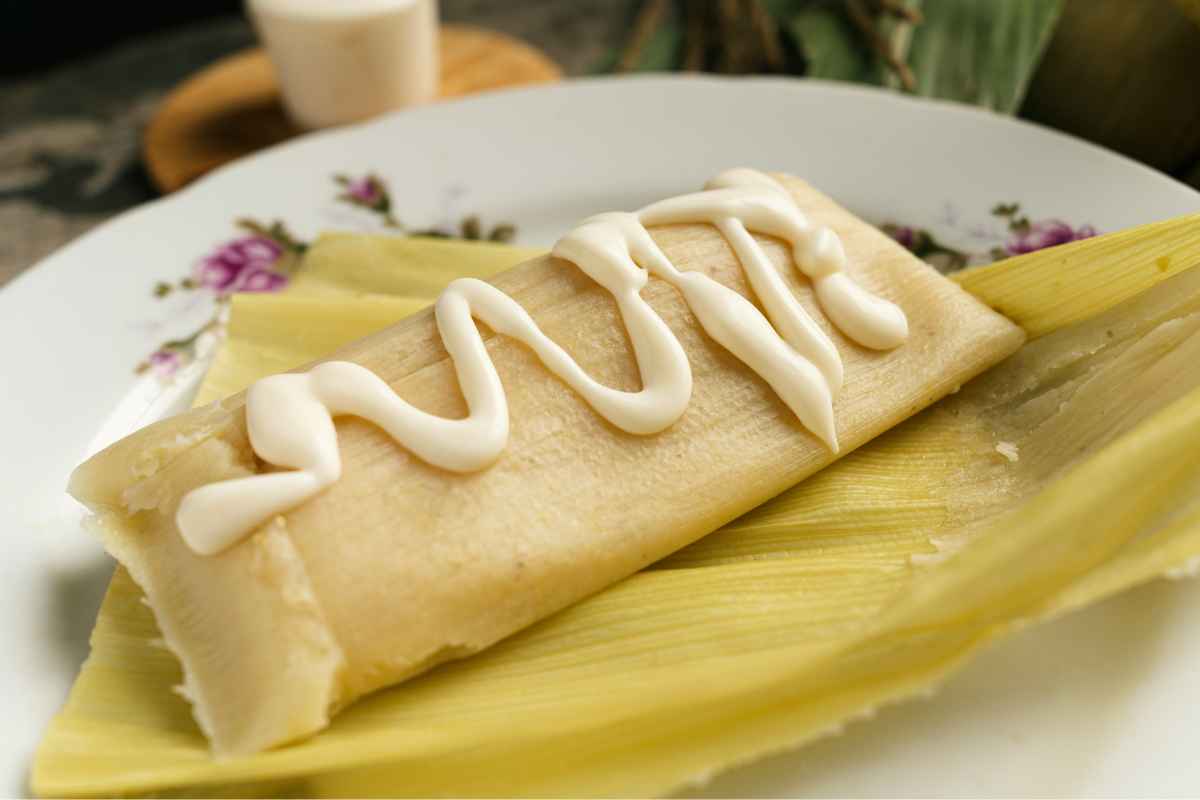

Frozen tamales can emerge dry, tough, or unevenly heated when reheated with excessive heat or too little moisture. Understanding how to reheat frozen tamales helps preserve tender masa while warming savory or sweet fillings completely.
This guide covers thawing, steaming steps, filling-specific adjustments, freezer storage, and common texture problems. Refer to TeaKoe’s detailed guide below for more useful reheating advice.
1. Should Frozen Tamales Be Thawed First?
Frozen tamales can be reheated straight from the freezer, so thawing is not necessary. Place them in a steamer with the husks intact and allow about 35 to 60 minutes, depending on their size, filling, and how many are being reheated at once.
Compared with thawed tamales, frozen ones usually need an extra 15 to 20 minutes. Steady steam helps warm the center evenly while keeping the masa soft, moist, and easy to separate from the husk.
2. How to Reheat Frozen Tamales Step by Step
Steaming is one of the most effective ways to restore moisture without making the masa soggy. Careful spacing and steady steam help warm the filling while protecting the tamales’ soft texture.
- Prepare the steamer: Add enough water to the bottom of the pot without allowing it to touch the steaming basket.
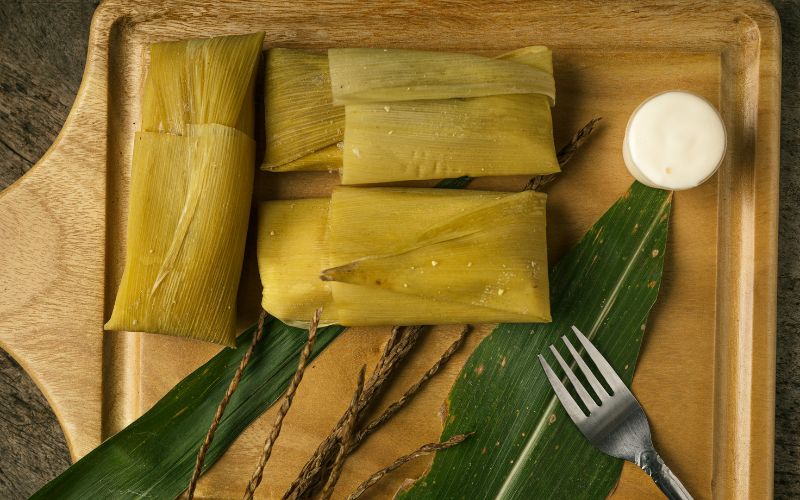
- Keep the husks on: Leave each tamale wrapped in its corn husk because the covering helps trap steam and reduce moisture loss during reheating.
- Arrange the tamales upright: Place them vertically with the open ends facing upward when possible.
- Cover the pot securely: Close the lid to retain heat and moisture. A tightly covered steamer creates the consistent environment needed.
- Steam for 35 to 60 minutes: Begin checking smaller tamales near the 35-minute mark. Larger portions or a crowded steamer may require closer to one hour.
- Monitor the water level: Check periodically and add more hot water when needed. Never allow the pot to boil dry, since this can damage the cookware and interrupt steaming.
- Test the center: Carefully open one tamale and check whether the filling is hot throughout. The masa should feel soft and pull away from the husk without sticking excessively.
- Rest before serving: Remove the tamales with tongs and let them rest for several minutes.
3. Pork, Chicken, Cheese, and Sweet Tamales Need Different Care
Filling type can influence reheating time, moisture retention, texture, and the best moment to check whether each tamale is fully warmed. Dense meat fillings often need longer, while cheese and sweet varieties require closer monitoring to prevent leaking, excessive softening, or uneven heating.
Small adjustments in steaming time, placement, and handling can prevent cold spots, sticky edges, or melted filling from escaping through the husk.
| Tamale Type | Reheating Consideration | Recommended Care | Readiness Sign |
|---|---|---|---|
| Pork tamales | Dense meat fillings may take longer to warm completely. | Steam steadily and check the thickest portion near the end of the estimated time. | Pork filling is hot throughout, and the masa separates cleanly from the husk. |
| Chicken tamales | Lean chicken can dry out when reheated too aggressively. | Maintain gentle steam and avoid extending the cooking time unnecessarily. | The center is hot, while the chicken remains moist rather than stringy. |
| Cheese tamales | Melted cheese may leak if the tamales are laid flat or overheated. | Keep them upright and handle them gently after reheating. | Cheese is fully melted without excessive filling escaping from the wrapper. |
| Sweet tamales | Sugar, fruit, or dessert fillings can become sticky around the edges. | Use moderate steam and begin checking slightly earlier when portions are small. | The masa feels soft and warm, and the filling is heated without scorching. |
>>> Read More: How to Reheat Tamales Without Drying Out the Masa [Full Guide]
4. Reheating Frozen Tamales: Your Top Questions Answered
Texture, storage time, filling type, and reheating equipment can all affect the final texture and flavor of frozen tamales. Proper moisture, steady heat, and careful timing help prevent dry masa, cold centers, or leaking fillings.
Why does the masa become dry?
Masa usually dries out when tamales are reheated with intense dry heat, steamed for too long, or exposed after their husks are removed.
Keeping the wrappers intact and maintaining steady moisture helps the masa soften without becoming tough or crumbly.
How long can frozen tamales stay in the freezer?
Frozen tamales are best used within about three to four months for quality. So, the USDA shows that frozen leftovers remain safe indefinitely when continuously frozen, but they can gradually lose moisture and flavor during extended freezer storage.
Can different fillings be reheated the same way?
Most frozen tamales can be steamed using the same general method, but their reheating times may vary. Dense meat fillings often need longer, while cheese or sweet tamales should be monitored closely to prevent leakage or excessive softening.
Can frozen tamales be reheated in a microwave?
Yes, place one or two frozen tamales in a microwave-safe dish and wrap them in a damp paper towel. Heat in short intervals, turning them between rounds, until the centers are hot and the masa feels soft.
How can you tell when frozen tamales are fully reheated?
Fully reheated tamales should feel hot from the outer masa to the center of the filling. The masa should separate easily from the husk, while the filling should have no cold spots when checked carefully.
5. Final Thoughts
Steady moisture and moderate heat are essential for restoring frozen tamales without leaving the masa dry or the filling cold. Mastering how to reheat frozen tamales involves keeping the husks intact, allowing steam to circulate, and adjusting timing for size and filling type.
TeaKoe offers more practical reheating guidance to help transform freezer leftovers into soft, flavorful tamales that are ready to serve.