
Different chicken cuts respond differently to heat, so the best reheating method depends on whether you are working with breasts, thighs, wings, or a whole bird. Choosing the right approach helps preserve moisture while bringing back a satisfying texture.
Explore the TeaKoe guide below on how to reheat chicken for practical methods tailored to various cuts and everyday kitchen needs.
1. Why One Reheating Method Doesn’t Fit All Chicken
Texture, moisture level, coating, and cut size all influence how chicken should be reheated.
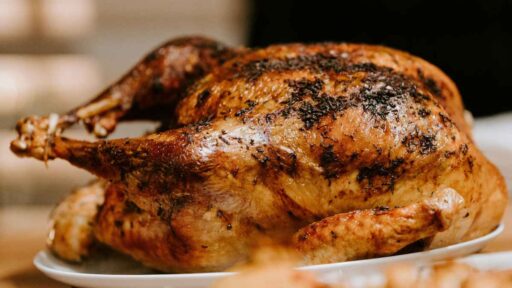
Rotisserie Chicken
Rotisserie chicken benefits from gentle, moisture-retaining heat because the breast meat can dry out quickly once refrigerated.
Oven reheating with a small amount of broth and loose foil coverage works especially well, while individual pieces can also be warmed in an air fryer for a slightly crisper exterior.
Fried Chicken
Fried chicken needs dry, circulating heat to restore its crunchy coating without making it greasy or soggy.
An air fryer or oven is usually the better choice because both methods allow moisture to escape from the breading while reheating the meat more evenly than a microwave.
Grilled Chicken
Grilled chicken is often leaner and more exposed to direct heat, so it can become tough if reheated too aggressively.
Use moderate heat and consider adding a splash of broth or covering it briefly to protect moisture.
Baked Chicken
Baked chicken reheats best with steady oven heat, especially when working with larger pieces or bone-in portions.
Covering the dish for most of the reheating time can help prevent dryness, while removing the cover near the end allows the surface to regain a slightly firmer texture.
Shredded Chicken
Shredded chicken has more exposed surface area, which means it can lose moisture faster than whole pieces.
Reheat it gently on the stovetop or in the microwave with a small amount of broth, sauce, or cooking liquid, stirring occasionally so the strands warm evenly without becoming dry.
Boneless vs. Bone-In Chicken
Boneless chicken usually reheats faster because heat can reach the center more quickly, but it may also dry out sooner.
Bone-in pieces often need extra time, yet the bone can help retain heat and moisture, so reheating temperatures and timing should be adjusted accordingly.
>>> Read More: How to Reheat Fried Chicken in Oven and Bring Back the Crunch
2. How to Reheat Chicken: Which Reheating Method Works Best?
Each reheating method offers a different balance of speed, moisture retention, and texture.
Oven
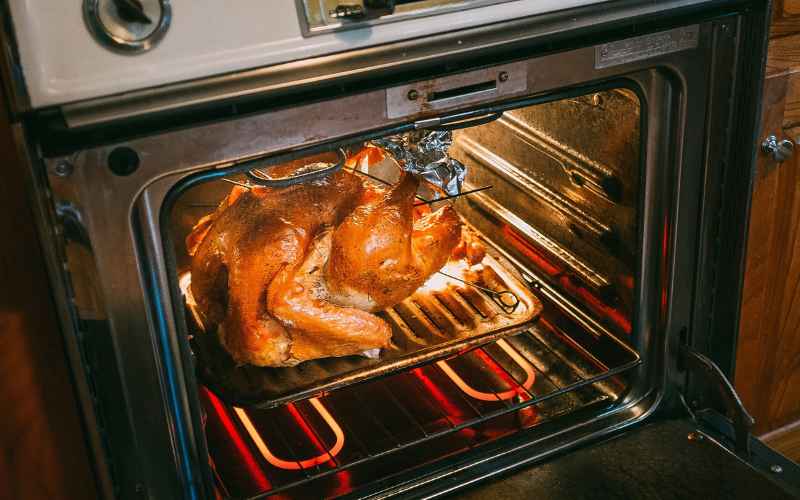
The oven works especially well for whole rotisserie chickens, bone-in pieces, baked chicken, and larger portions. It’s steady heat warms food evenly, while foil and a little added liquid can help prevent dryness.
Although this method takes longer than others, it is a dependable choice when reheating several pieces at once without sacrificing too much moisture.
Air Fryer
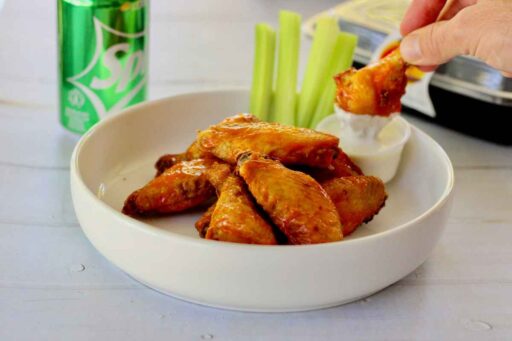
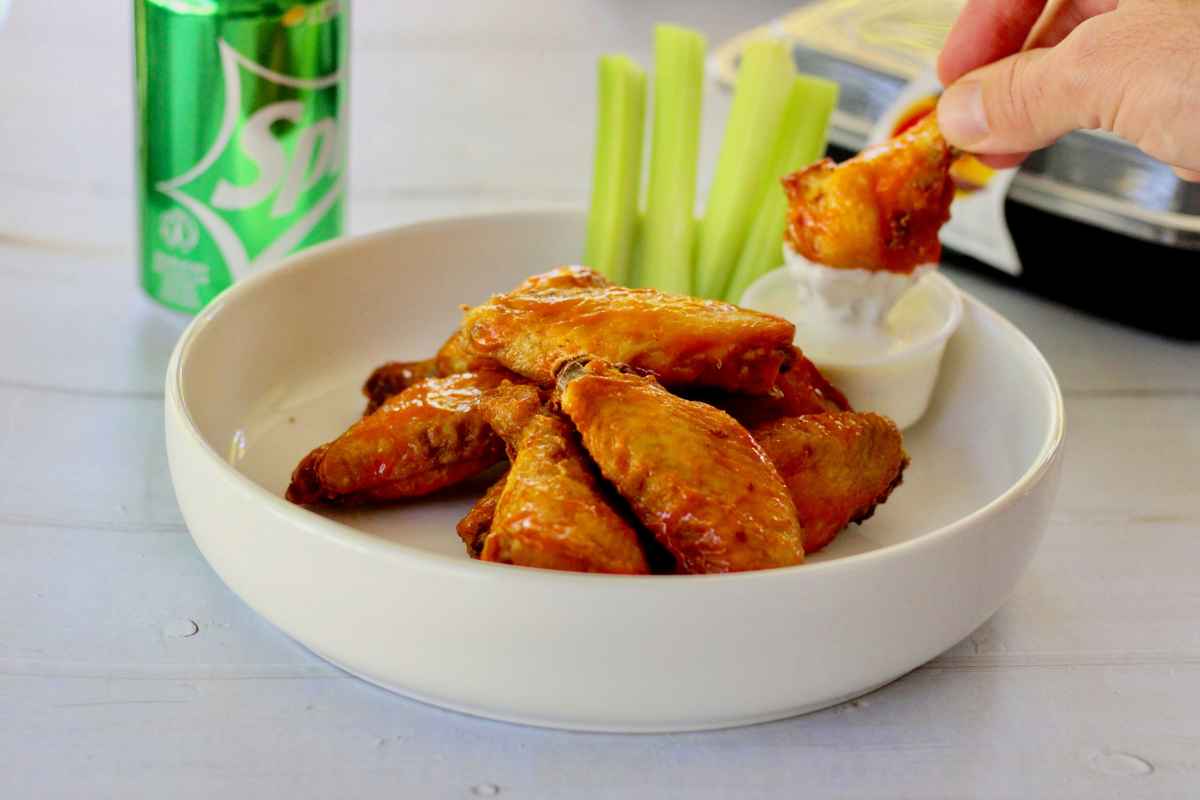
The air fryer is ideal for fried chicken, wings, and pieces with skin that benefit from a crisp finish.
Rapidly circulating hot air helps revive crunchy surfaces while reheating the inside relatively quickly. Basket space is limited, however, so larger batches may need to be reheated in several rounds to avoid overcrowding.
Microwave
The microwave is the fastest option for small portions, shredded chicken, or meals where crispness is not a priority.
Covering the chicken and adding a splash of broth or water can help reduce moisture loss. Because heating can be uneven, use shorter intervals and rotate or stir the food between cycles whenever possible.
Stovetop
Stovetop reheating provides good control for shredded chicken, sliced breasts, and pieces served with sauce or gravy.
A skillet over low to medium heat allows you to add broth, sauce, or a little water as needed. Stirring or turning the chicken regularly helps distribute heat while preventing the bottom from drying out or scorching.
Steamer
Steaming is a gentle option when moisture matters more than crispness. It can work well for plain chicken, boneless pieces, or shredded meat that would otherwise dry out under direct heat.
The moist environment helps maintain tenderness, but it is not suitable for fried or breaded chicken because steam can soften the coating.
3. Common Reheating Mistakes to Avoid
Poor reheating can quickly turn tender leftovers into dry, rubbery, or unevenly warmed chicken.
Using Too Much Heat
High temperatures may seem like a faster solution, but they often dry out the exterior before the center is properly warmed.
Moderate heat gives the chicken more time to reheat evenly, especially with thicker breasts, thighs, and bone-in pieces that need longer for heat to reach the middle.
Reheating Without Adding Moisture
Lean or exposed chicken can lose moisture quickly during reheating, especially in the oven or microwave.
Adding a splash of broth, water, or sauce can help create a gentler environment and reduce the risk of dry, tough meat.
Overcrowding the Pan or Basket
Packing chicken pieces too closely together limits airflow and can lead to uneven reheating. Reheat in smaller batches when necessary for a more consistent result.
Using the Same Method for Every Cut
Different cuts and preparations need different reheating approaches. Fried chicken benefits from dry heat, while shredded or grilled chicken often needs extra moisture.
Reheating for Too Long
Even the right method can ruin chicken if it stays under heat longer than necessary. Check smaller or thinner pieces early, especially boneless cuts that warm quickly.
Removing the chicken once thoroughly heated helps protect its moisture and prevents a tender texture from becoming dry or chewy.
4. Some Questions about Reheating Chicken
Safe reheating depends on both temperature control and proper storage, while the best method can vary depending on the cut and texture you want to preserve.
How hot should reheated chicken be?
Reheated chicken should reach an internal temperature of 165°F (74°C) in the thickest part before serving.
Following the official USDA safe temperature chart and using a food thermometer is the most reliable way to confirm that the meat has been heated thoroughly.
Can you reheat cooked chicken twice?
It is generally better to reheat only the amount you plan to eat rather than repeatedly warming and cooling the same batch.
If chicken is reheated more than once, proper refrigeration and thorough reheating become especially important for food safety.
Which method keeps chicken the juiciest?
Gentle methods that protect moisture, such as oven reheating with foil or stovetop reheating with a little broth, often work well for keeping chicken juicy.
The best option still depends on the cut, since shredded and boneless chicken can dry out faster than larger bone-in pieces.
Is it safe to microwave leftover chicken?
Yes, leftover chicken can be reheated safely in the microwave when it has been stored properly and heated thoroughly.
Cover the chicken, use shorter heating intervals, and rotate or stir it when possible to reduce cold spots and improve even heating.
5. Final Words
Choosing the right reheating method can make a noticeable difference in the texture, moisture, and flavor of leftover chicken.
Learning how to reheat chicken properly helps you handle everything from crispy fried pieces to tender shredded meat without sacrificing quality. Match the method to the cut, avoid excessive heat, and reheat only as long as needed. For more practical cooking tips and helpful kitchen guides, explore TeaKoe.