
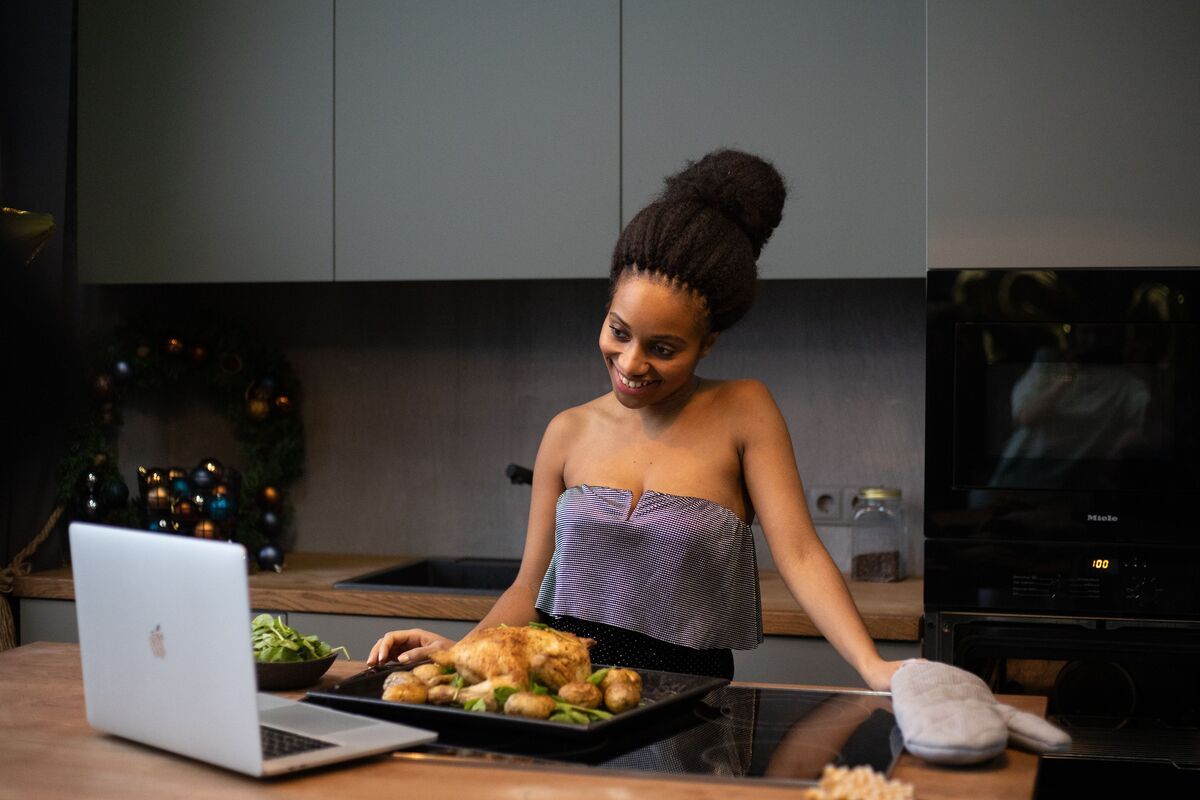

Reheated chicken often turns dry because moisture escapes before the center becomes warm. Fortunately, learning how to reheat chicken in oven can help you restore leftovers without sacrificing their texture or flavor. The process requires only an oven-safe dish, a small amount of liquid, and proper temperature control.
Whether you have chicken breasts, drumsticks, fried pieces, or rotisserie chicken, the following method provides reliable results while reducing the risk of overheating the meat.
1. How to Reheat Chicken in Oven?
The oven is particularly useful when warming several portions at once because it distributes heat more evenly than many faster methods.
Step 1: Preheat the Oven
Set the oven to 350°F, or approximately 175°C. Allowing it to preheat completely creates a stable cooking environment and prevents the chicken from sitting in a slowly warming oven for too long.
Step 2: Place the Chicken in an Oven-Safe Dish
Arrange the chicken pieces in a single layer with a little space between them. Avoid stacking the meat because overlapping pieces may heat unevenly, leaving some areas cool while others become dry.
Step 3: Add a Small Amount of Broth or Water
Pour one or two tablespoons of chicken broth or water into the bottom of the dish. The liquid produces gentle steam as it warms, helping the chicken retain moisture.
Do not soak the meat. Too much liquid can soften roasted skin or turn breaded chicken soggy.
Step 4: Cover the Dish with Aluminum Foil
Cover the dish loosely but securely with aluminum foil. This creates a moist environment around the chicken and slows moisture loss during reheating.
For fried or breaded chicken, skip the foil or remove it during the final few minutes so the coating can become crisp again.
Step 5: Bake Until the Chicken Is Heated Through
Place the covered dish on the center rack. Most portions require 10–25 minutes, depending on their thickness, size, and starting temperature.
According to the USDA’s leftovers and food safety guidance, reheated leftovers should reach 165°F internally. Check the thickest part with a food thermometer rather than relying only on appearance.
Step 6: Let the Chicken Rest Before Serving
Remove the dish from the oven and let the chicken rest for two or three minutes. This brief pause allows the internal heat and moisture to redistribute before the meat is sliced or served.
2. What Temperature and How Long Should You Reheat Chicken?
A temperature of 350°F works well for most cooked chicken. It is warm enough to heat the meat efficiently but moderate enough to limit moisture loss.
The exact timing depends on the cut, thickness, quantity, and whether the chicken contains bones.
Chicken Breast
Boneless chicken breasts usually need 10–15 minutes. Thick, whole breasts may take closer to 20 minutes. Adding broth and covering the dish are especially important because lean breast meat dries out quickly.
Chicken Thighs and Drumsticks
Bone-in thighs and drumsticks generally take 15–25 minutes. Turn larger pieces once during reheating to promote more even warming.
Fried Chicken
Reheat fried chicken uncovered at 375°F for approximately 10–15 minutes. Place the pieces on a wire rack over a baking sheet so hot air can circulate underneath the coating.
Rotisserie Chicken
Individual rotisserie chicken pieces usually require 15–20 minutes at 350°F. A larger section or nearly whole chicken may need 20–30 minutes.
Temperature and Reheating Time Chart
These times are estimates. The FDA’s safe food handling recommendations identify 165°F as the safe internal temperature for poultry.
| Type of chicken | Oven temperature | Estimated time | Cover with foil? |
|---|---|---|---|
| Chicken breast | 350°F | 10–20 minutes | Yes |
| Thighs and drumsticks | 350°F | 15–25 minutes | Yes |
| Fried chicken | 375°F | 10–15 minutes | No |
| Rotisserie chicken | 350°F | 15–30 minutes | Yes |
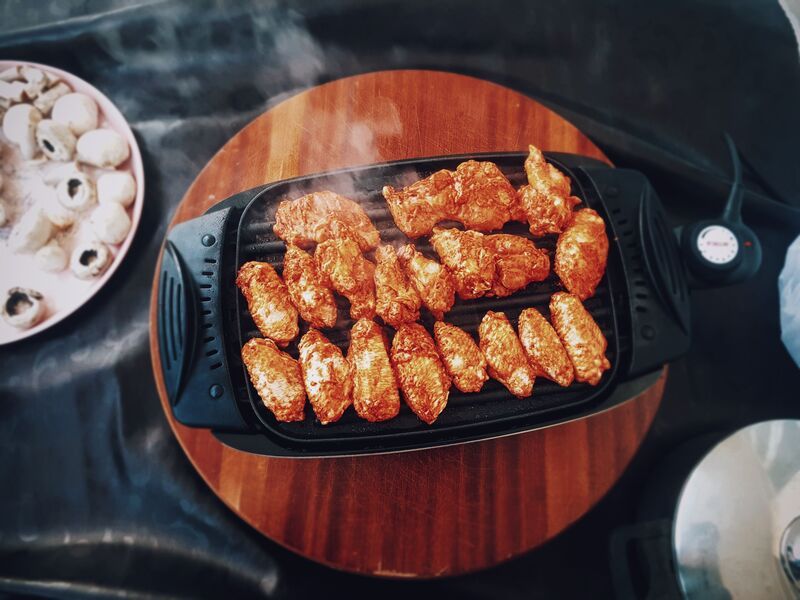
| Chicken wings | 375°F | 10–15 minutes | Usually no |
>>> Read More: How to Reheat a Seafood Boil Without Overcooking the Seafood?
3. Should You Cover Chicken While Reheating in the Oven?
Whether you should cover chicken while reheating depends on the type of chicken and the texture you want to preserve. While foil is often the safest option for keeping meat juicy, there are situations where leaving it uncovered produces better results.
Cover Chicken to Lock in Moisture
For roasted, baked, grilled, or rotisserie chicken, covering the dish with aluminum foil is usually the best approach.
The foil traps steam created by the added broth or water, helping prevent moisture from escaping while the chicken warms. Covering the dish is one of the easiest ways to achieve consistently tender results.
Leave Crispy Chicken Uncovered
Breaded or fried chicken benefits from a different technique. Covering it throughout the reheating process traps too much steam, which softens the crispy coating and reduces its crunch.
Instead, place the chicken on a wire rack over a baking sheet and reheat it uncovered.
If you want juicy meat without sacrificing too much crispness, combine both techniques. Cover the chicken with foil during the first half of reheating so the inside warms gently, then remove the foil for the final few minutes.
4. How to Keep Reheated Chicken Juicy Every Time?
Successful reheating involves more than choosing the right temperature. A few small adjustments can noticeably improve the final texture.
Avoid High Oven Temperatures
Very high heat may warm the outside quickly but leave the middle cool. Meanwhile, the exposed edges can become hard or chewy. Moderate heat allows the chicken to warm more gradually and evenly.
Never Overcook the Chicken
Start checking several minutes before the estimated reheating time ends. Remove the chicken as soon as the thickest portion reaches 165°F.
Reheat Only the Portion You Need
Repeated heating and cooling reduce moisture and can affect food quality. Separate the amount you plan to eat and leave the remaining chicken refrigerated.
For more practical kitchen advice, explore our internal guide to storing cooked chicken safely.
Check the Internal Temperature Before Eating
A food thermometer offers a more dependable result than checking color or touching the surface. Insert it into the thickest area without pressing directly against a bone.
The FoodSafety.gov temperature chart also recommends reheating leftovers to 165°F, or 74°C.
5. Common Reheating Mistakes That Ruin Chicken
Even when you understand, these common mistakes can still produce disappointing results.
Reheating Straight from the Freezer
Frozen chicken takes longer to heat evenly. Whenever possible, thaw it safely in the refrigerator before placing it in the oven.
Skipping the Added Moisture
Lean chicken can lose moisture rapidly. A spoonful of broth or water creates enough steam to protect the meat without changing its flavor.
Using a Dish That Is Too Large
An oversized baking dish leaves unnecessary open space around the chicken. Choose a smaller dish that holds the portions comfortably in one layer.
Leaving Chicken in the Oven Too Long
Extra time does not necessarily produce safer food once the correct internal temperature has been reached. It mainly removes moisture and makes the meat firmer.
6. Conclusion
Understanding how to reheat chicken in oven makes it easier to enjoy leftovers that remain tender, flavorful, and evenly warmed. Preheat the oven, add a small amount of liquid, cover moisture-sensitive cuts, and monitor the internal temperature carefully.
Once the chicken reaches 165°F, remove it promptly and allow it to rest briefly. With these simple precautions, yesterday’s chicken can become a satisfying meal instead of a dry, overcooked leftover.