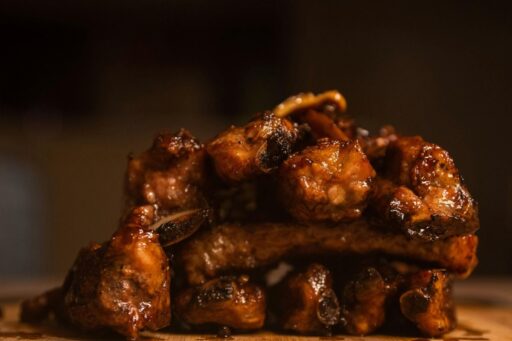
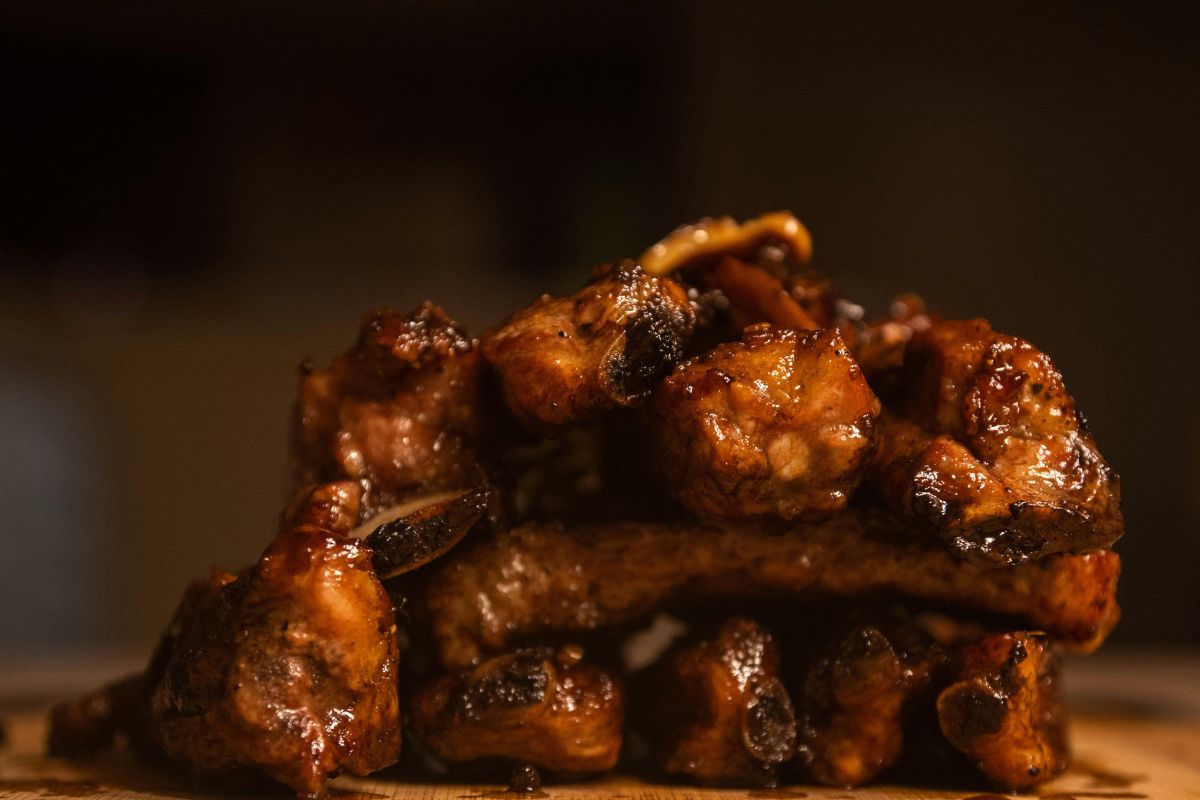

Cold ribs can dry out fast when reheated with strong heat, especially if the BBQ sauce burns before the meat warms through. This guide on how to reheat ribs in oven explains how to use low heat, foil, moisture, and careful sauce timing to keep the ribs tender and flavorful.
For more practical leftover tips, refer to TeaKoe’s guide below and bring BBQ ribs back to a juicy, saucy finish.
1. Why “Low and Slow” is Mandatory for Reheating Leftover Ribs
Ribs need gentle heat because they are already cooked and can dry out quickly when reheated too aggressively.
- Keeps the meat tender: Slow reheating gives the ribs time to warm through without tightening the meat fibers.
- Protects the BBQ sauce: High heat can burn sugary sauce before the inside is hot. Lower heat keeps the sauce glossy, flavorful, and less bitter.
- Warms the center evenly: Thick ribs need time for heat to reach the bone and middle sections. Gentle oven heat reduces cold spots.
- Prevents moisture loss: Covering ribs with foil at low heat traps steam and keeps juices close to the meat.
- Preserves smoky flavor: Harsh heat can make leftovers taste overcooked. Low and slow reheating keeps the ribs rich, saucy, and barbecue-style.
>>> Read More: How to Reheat Prime Rib Without Overcooking It [2026]
2. How to Reheat Ribs in Oven for Your Next Backyard BBQ
Oven reheating is one of the best ways to bring ribs back to a tender, saucy texture without rushing the meat.
With low heat, foil, and a little moisture, leftover ribs can taste ready for another backyard BBQ plate.
- Preheat the oven: Set it to about 250°F to 300°F so the ribs warm slowly without drying out.
- Let ribs sit briefly: Take the ribs out of the refrigerator for 10 to 15 minutes to reduce uneven heating.
- Add moisture: Brush with BBQ sauce, apple juice, broth, or a small splash of water to help protect the meat.
- Wrap in foil: Cover the ribs tightly so steam stays inside and keeps the texture tender.
- Place on a baking sheet: Set the wrapped ribs on a tray to catch any sauce or juices.
- Reheat gently: Warm them for about 20 to 30 minutes, depending on thickness.
- Finish uncovered: Open the foil during the last few minutes and brush on extra BBQ sauce for a glossy finish.
- Rest before serving: Let the ribs sit briefly so the juices settle before cutting or serving.
3. Do Beef Ribs Reheat Differently From Pork Ribs?
Beef ribs and pork ribs both need gentle reheating, but their size, fat content, and texture can change the best approach.
- Beef ribs usually need more time: Beef ribs are often thicker and meatier, so they may take longer to warm through.
- Pork ribs can dry faster: Pork ribs are usually smaller and more delicate, so they may need slightly less reheating time.
- Beef ribs handle bold moisture well: Broth, beef stock, or a little BBQ sauce can help keep beef ribs rich and juicy.
- Pork ribs pair well with lighter moisture: Apple juice, a small splash of water, or a thin layer of BBQ sauce works well for pork ribs.
- Sauce timing matters for both: Beef and pork ribs can both burn if sugary BBQ sauce is exposed to high heat for too long. Reheat covered first, then brush on extra sauce near the end for a glossy finish.
4. What to Do With Leftover Ribs
Leftover ribs can become more than a reheated BBQ plate when you pull the meat from the bone and pair it with fresh textures.
Rib Meat Sandwiches
Rib meat sandwiches are one of the easiest ways to reuse tender leftovers.
Pull the meat from the bones, warm it gently, then pile it onto toasted buns, rolls, or garlic bread. Add coleslaw, pickles, onions, or extra BBQ sauce for crunch and balance.
BBQ Nachos
BBQ nachos turn leftover ribs into a bold, shareable dish. Spread tortilla chips on a baking sheet, add shredded rib meat, cheese, beans, jalapeños, and a light drizzle of BBQ sauce.
Bake until the cheese melts, then finish with sour cream, green onions, or pickled onions. The smoky meat adds depth, while the toppings keep each bite crisp, creamy, and flavorful.
Loaded Baked Potatoes
Loaded baked potatoes make rib leftovers feel hearty and comforting.
Split a hot baked potato, fluff the inside, then top it with warm rib meat, shredded cheese, butter, sour cream, and BBQ sauce. The potato absorbs the smoky juices and balances the rich meat.
BBQ Rice Bowls
BBQ rice bowls are great for turning leftover ribs into an easy meal prep option. Start with warm rice, then add shredded rib meat, corn, beans, sautéed peppers, or slaw.
Drizzle with BBQ sauce or a creamy dressing for extra flavor. The rice catches the sauce and juices, while the vegetables add freshness so the bowl does not feel too heavy.
5. Oven Rib Reheating Questions Answered
Ribs reheat best when the oven works gently instead of rushing the meat with strong heat.
Why do ribs become tough after reheating?
Ribs become tough when they are reheated at too high a temperature or left in the oven for too long.
The meat fibers tighten, moisture escapes, and the ribs can turn chewy instead of tender. Wrapping them in foil with a little sauce, broth, or apple juice helps protect the texture.
Additionally, ensure the ribs were safely stored in the refrigerator for no more than 3 to 4 days prior to reheating to guarantee both quality and freshness.
What’s the best temperature for reheating ribs?
The best oven temperature for reheating ribs is usually 250°F to 300°F. This low range warms the meat slowly while helping the sauce stay glossy instead of burned.
For a saucier finish, uncover the ribs near the end and brush on extra BBQ sauce.
Do beef ribs reheat differently from pork ribs?
Yes, beef ribs often need slightly more time because they are thicker and meatier.
Pork ribs usually reheat faster and can dry out sooner, so they should be checked earlier. Both types do best with low heat, foil, and added moisture.
6. Final Words
Good reheating is all about patience, sauce timing, and avoiding high heat that can toughen the meat or burn the glaze. You can also turn leftover ribs into sandwiches, nachos, loaded baked potatoes, or BBQ rice bowls.
For more practical leftover tips, TeaKoe’s guide on how to reheat ribs in oven can help every rack come back saucy and tender.