
Reheated pasta can turn dry, sticky, or unevenly warm when it loses moisture in the fridge. This guide on how to reheat pasta explains how to refresh noodles, revive sauces, and choose the right method for creamy, tomato-based, or baked pasta dishes.
For more simple leftover tips, refer to TeaKoe’s guide below and bring every serving back to a warm, flavorful, satisfying texture.
1. Why Does Pasta Change After Being Refrigerated?
Pasta often feels drier, firmer, or stickier after sitting in the fridge because both the noodles and sauce continue changing as they cool.
- Starch firms up: Cooked pasta contains starch that tightens as it cools, making the noodles feel firmer, denser, and less tender than when freshly cooked.
- Moisture gets absorbed: Pasta keeps soaking up sauce, oil, or cooking liquid while stored, which can leave the dish dry or heavy the next day.
- Sauce thickens: Creamy, cheesy, and tomato-based sauces can become thicker in the refrigerator, so they may need a splash of water, broth, milk, or sauce before reheating.
- Noodles stick together: Cold pasta can clump because the surface starch becomes tacky.
- Flavor becomes muted: Cold temperatures can dull seasoning and aroma, making pasta taste flatter. Reheating gently and adjusting sauce can bring the flavor back.
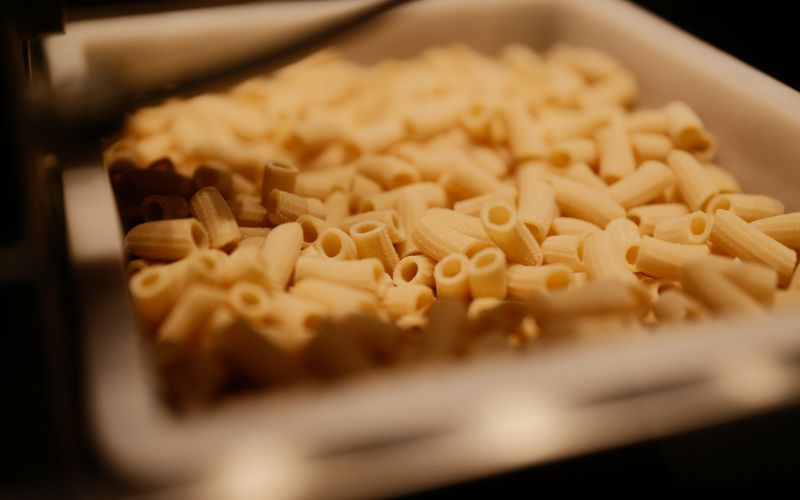
2. How to Reheat Pasta: Detailed Guide
Pasta reheats best when you bring moisture back before applying heat.
- Choose the right method: Use the stovetop for sauced pasta, the oven for baked pasta, and the microwave for quick single servings.
- Add moisture first: Stir in a small splash of water, broth, milk, cream, or extra sauce before reheating.
- Reheat gently: Use low to medium heat on the stovetop, moderate oven heat, or short microwave intervals.
- Stir or toss carefully: Move the pasta gently as it warms so the sauce coats the noodles evenly.
- Cover when needed: Covering the pan, baking dish, or microwave bowl can trap light steam and help the pasta warm through.
- Check the texture: Stop reheating once the pasta is hot and tender. Overheating can make noodles soft, sticky, or broken.
- Finish with flavor: Add a little butter, olive oil, cheese, herbs, or extra sauce before serving.
3. Is It Better to Reheat Pasta in the Microwave or on the Stove?
Yes, reheating pasta on the stove is usually better when you want a smoother, fresher texture.
The stovetop gives you more control over heat, moisture, and sauce consistency, so the noodles warm evenly without drying out.
Add a splash of water, broth, milk, or extra sauce, then toss gently over low to medium heat. The microwave is faster, but it can make pasta mushy, dry, or unevenly heated if left too long.
>>> Read More: How to Reheat Mashed Potatoes and Make Them Creamy Again
4. How to Reheat Different Types of Pasta
Different pasta dishes need different reheating methods because sauces, fillings, and toppings react differently to heat.
Pasta With Tomato Sauce
Tomato-based pasta reheats well on the stovetop because the sauce can loosen easily with a splash of water or broth. Warm it over low to medium heat, stirring gently until the noodles are coated and hot.
Cream-Based Pasta
Cream-based pasta needs gentle heat because dairy sauces can split, thicken, or turn oily when overheated.
Add a splash of milk, cream, or pasta water before warming, then stir slowly over low heat. Avoid boiling the sauce, as strong heat can make the texture grainy instead of smooth and creamy.
Baked Pasta
Baked pasta, such as lasagna or baked ziti, usually reheats best in the oven. Cover the dish with foil to trap moisture and prevent the top from drying out before the center warms.
Add a little extra sauce around the edges if it looks dry, then uncover near the end for a lightly browned finish.
Seafood Pasta
Seafood pasta should be reheated carefully because shrimp, scallops, or fish can become rubbery when exposed to too much heat.
Use low heat and warm the pasta just until hot, adding a little sauce, broth, or butter to refresh moisture. Avoid reheating it for too long, especially in the microwave.
Plain Cooked Pasta
Plain cooked pasta can dry out or clump in the fridge, so it needs moisture before reheating.
For quick use, dip the noodles briefly in hot water, drain, then toss with sauce, butter, or olive oil. You can also warm it in a pan with a splash of water until the strands separate and soften.
5. Top FAQs about Reheating Pasta
Pasta leftovers can be simple to enjoy again, but health needs and food safety still matter.
These answers cover common concerns around diabetes, IBS-friendly choices, and whether reheating the same pasta more than once is a good idea.
How to cook pasta for diabetes?
Cook pasta until al dente, then pair a smaller portion with lean protein, vegetables, and healthy fats to help balance the meal. Whole-grain or higher-fiber pasta may be a better choice for some people because it can support slower digestion.
What pasta is good for IBS?
IBS-friendly pasta depends on personal triggers, but rice pasta, corn pasta, quinoa pasta, or certified gluten-free pasta may be easier for some people to tolerate. Wheat pasta can bother those sensitive to fructans, even if they do not have celiac disease.
Can pasta be reheated more than once?
Pasta can technically be reheated more than once if it has been stored safely, but it is not ideal for texture or food safety. Each reheating round can dry out the noodles, thicken the sauce, and increase the chance of improper cooling.
6. Final Words
The best method depends on the pasta style, from stovetop reheating for sauced pasta to oven warming for baked dishes. Avoid overheating or reheating the same portion too many times, because both texture and flavor can suffer.
For more simple leftover guidance, TeaKoe’s guide on how to reheat pasta can help every serving taste tender, saucy, and satisfying again.