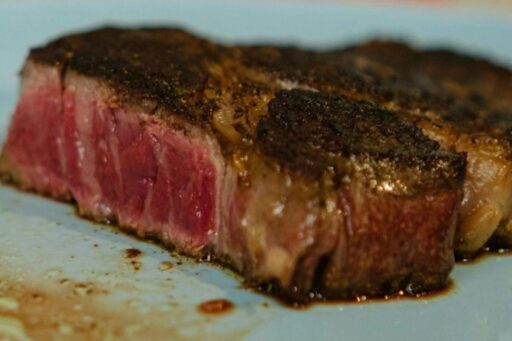
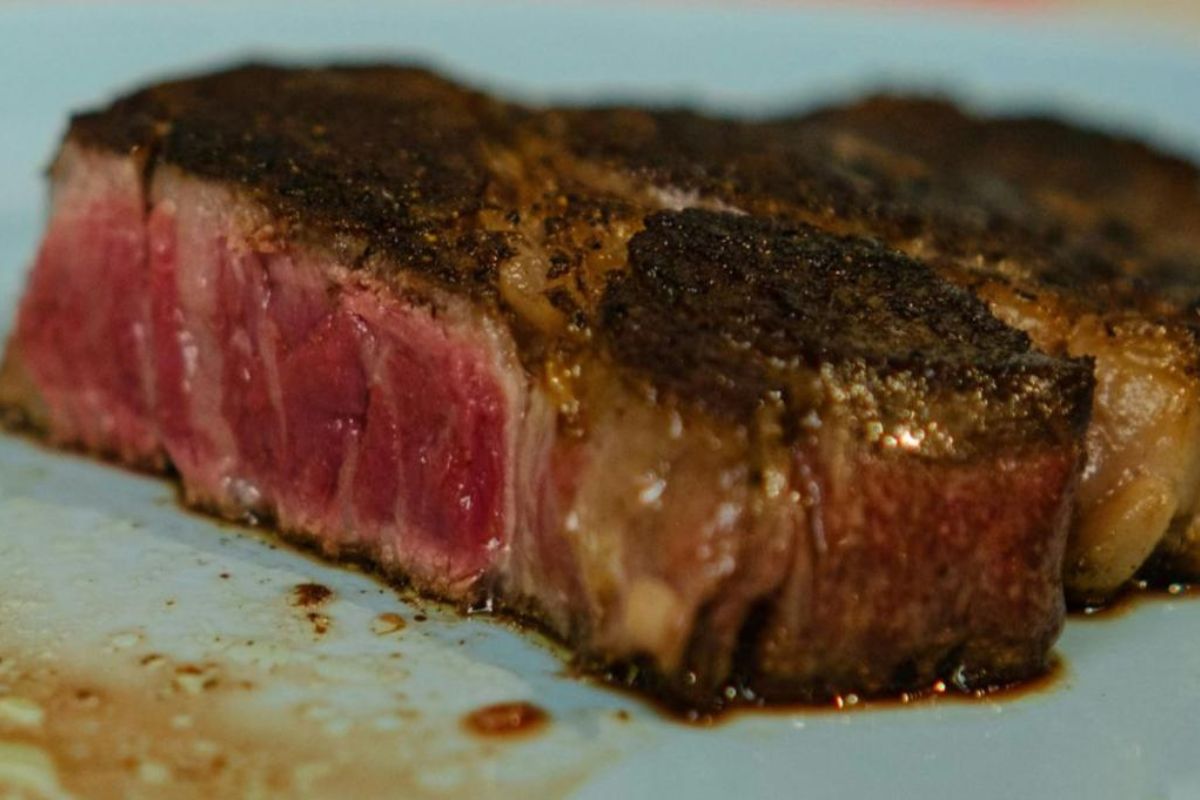

Prime rib needs gentle reheating because strong heat can turn its rosy center gray and make the meat tough. This guide on how to reheat prime rib explains how to warm leftovers slowly while keeping the juices, tenderness, and rich beef flavor intact.
For more practical cooking tips, refer to TeaKoe’s guide below and make every leftover slice feel special again.
1. How to Reheat Prime Rib?
How do you reheat prime rib without cooking it more? Prime rib is delicate after the first cook, so the goal is to warm it gently without pushing it past the doneness you already like.
- Bring it closer to room temperature: Take the prime rib out of the fridge for about 20 to 30 minutes before reheating.
- Use low oven heat: Set the oven to around 250°F to 300°F for gentle reheating.
- Add moisture to the pan: Place the prime rib in a baking dish with a small splash of beef broth, au jus, or pan drippings.
- Cover tightly with foil: Covering the dish traps moisture and protects the surface from drying out.
- Check the temperature carefully: Warm the meat only until it reaches your preferred serving temperature, usually around 110°F to 120°F for gently warmed slices.
- Rest before serving: Let the meat sit for a few minutes after reheating so the juices settle.
2. How Do Restaurants Reheat Prime Rib Roast in the Oven?
Restaurants often focus on slow, controlled reheating because prime rib can lose its pink center and natural juices very quickly.
- Start with a rested roast: Let the prime rib sit at room temperature for about 20 to 30 minutes before reheating.
- Use a low oven temperature: Set the oven to around 250°F to 300°F. Low heat helps protect the original doneness and reduces the chance of turning the roast dry or overcooked.
- Add au jus or beef broth: Place the prime rib in a roasting pan with a small amount of au jus, beef broth, or pan drippings.
- Cover the roast with foil: Wrap or cover the pan tightly with foil to trap heat and moisture.
- Reheat slowly: Warm the roast until the internal temperature reaches about 110°F to 120°F for a gently heated, medium-rare-style serving. Larger roasts may need more time, so avoid rushing the process.
- Slice after reheating: Keep the roast whole while warming when possible, then slice it right before serving.
- Serve with warm au jus: Restaurants often finish prime rib with hot au jus on the side.
3. How to Reheat a Whole Cooked Prime Rib?
Reheating a whole cooked prime rib takes more patience than warming a few slices because the center needs time to heat gently.
- Let the roast sit out briefly: Remove the prime rib from the refrigerator about 30 minutes before reheating.
- Preheat the oven low: Set the oven to around 250°F to 300°F. Gentle heat is the best choice without pushing the meat past its original doneness.
- Add broth or au jus: Place the whole roast in a roasting pan and add a small amount of beef broth, au jus, or saved pan drippings.
- Cover tightly with foil: Wrap the roast or cover the pan well with foil.
- Reheat slowly: Warm the roast until the internal temperature reaches about 110°F to 120°F for a gently warmed, medium-rare style result. Use a meat thermometer instead of guessing by time.
- Rest before slicing: Let the prime rib rest for 5 to 10 minutes after reheating.
- Serve with warm juices: Spoon warm au jus or pan juices over each slice before serving.
>>> Read More: How to Reheat Fried Chicken Without Losing Its Crispy Texture
4. How Long Does Leftover Prime Rib Last?
Leftover prime rib should be stored in an airtight container and kept in the refrigerator for 3 to 4 days for the best safety and quality.
For longer storage, freeze it tightly wrapped to protect the meat from freezer burn. In the freezer, prime rib can stay at peak quality for about 5 to 6 months, though it should be thawed safely before reheating.
5. What’s the Best Way to Eat Leftover Prime Rib?
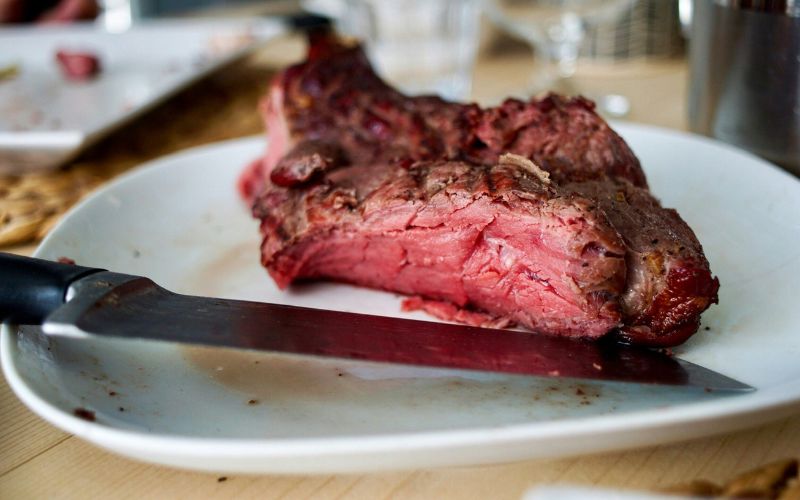
Leftover prime rib can turn into more than a second serving of roast beef when you pair it with the right textures and flavors.
Prime Rib Sandwiches
Prime rib sandwiches are one of the easiest ways to reuse tender slices without overcomplicating the meal. Warm the meat gently, then layer it on crusty bread with horseradish cream, caramelized onions, provolone, or au jus for dipping.
Steakhouse-Style Breakfasts
Leftover prime rib makes breakfast feel hearty and restaurant-worthy. Serve warm slices with eggs, roasted potatoes, sautéed mushrooms, or grilled tomatoes for a steakhouse-style plate.
Keep the reheating light so the meat stays pink and tender, then add a little au jus or buttered pan sauce for extra richness.
Prime Rib Hash
Prime rib hash is perfect when you have smaller pieces or uneven slices left over. Dice the beef and cook it briefly with potatoes, onions, peppers, and herbs until everything is warm and lightly crisp.
Add the prime rib near the end so it does not overcook, then finish with a fried egg if you want a fuller meal.
Beef and Grain Bowls
Beef and grain bowls give leftover prime rib a lighter, more balanced direction. Slice the meat thinly and serve it over rice, quinoa, farro, or barley with vegetables, greens, and a flavorful sauce.
Warm the prime rib separately before adding it to the bowl so the grains stay fluffy and the beef keeps its tender texture.
6. Final Words
Whether you are warming a whole roast or a few slices, patience gives the best result. Leftovers can also become sandwiches, hearty breakfasts, hash, or grain bowls when handled with care. For more simple cooking guidance, TeaKoe’s guide on how to reheat prime rib can help every serving stay rich, tender, and satisfying.