
Perfect hard-boiled eggs come down to the right timing, a gentle cooking process, and a quick ice bath that keeps the yolks firm without turning dry or chalky. This guide explains how to hard boil eggs for meal prep, snacks, salads, and breakfast dishes with fewer cracks and easier peeling. For more simple kitchen tips, continue with the TeaKoe guide below.
1. The Secret to Perfect Hard-Boiled Eggs: Hot Water vs. Cold Water Method
Perfect hard-boiled eggs depend on how gently the eggs heat and how quickly they cool after cooking. Both hot water and cold water methods can work well, but each one gives slightly different results in timing, texture, and peeling.
| Method | How It Works | Best For | Main Advantage | Possible Downside |
| Hot Water Method | Add eggs to already-boiling water, cook by time, then cool in an ice bath. | Easier peeling and consistent doneness | Better control over yolk texture and easier peeling. | Eggs may crack if lowered too quickly. |
| Cold Water Method | Start eggs in cold water, bring to a boil, then turn off the heat. | Gentle cooking and fewer cracks | Lower risk of sudden shell cracking. | Timing can be less precise because heating speed varies. |
| Best Choice | Use hot water plus an ice bath for most batches. | Meal prep, salads, snacks, and breakfast | Firm whites, creamy yolks, and smoother peeling. | Needs careful handling when adding eggs to hot water. |
2. How to Hard Boil Eggs?
Great hard-boiled eggs come from steady heat, careful timing, and quick cooling after cooking.
Start With Cold Water
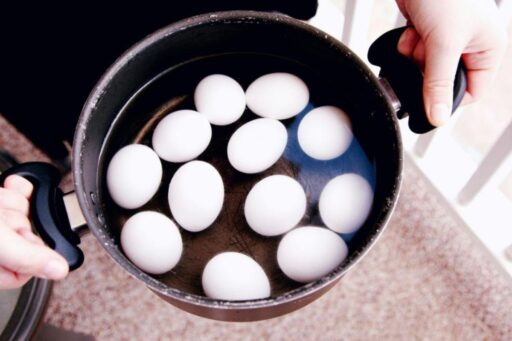
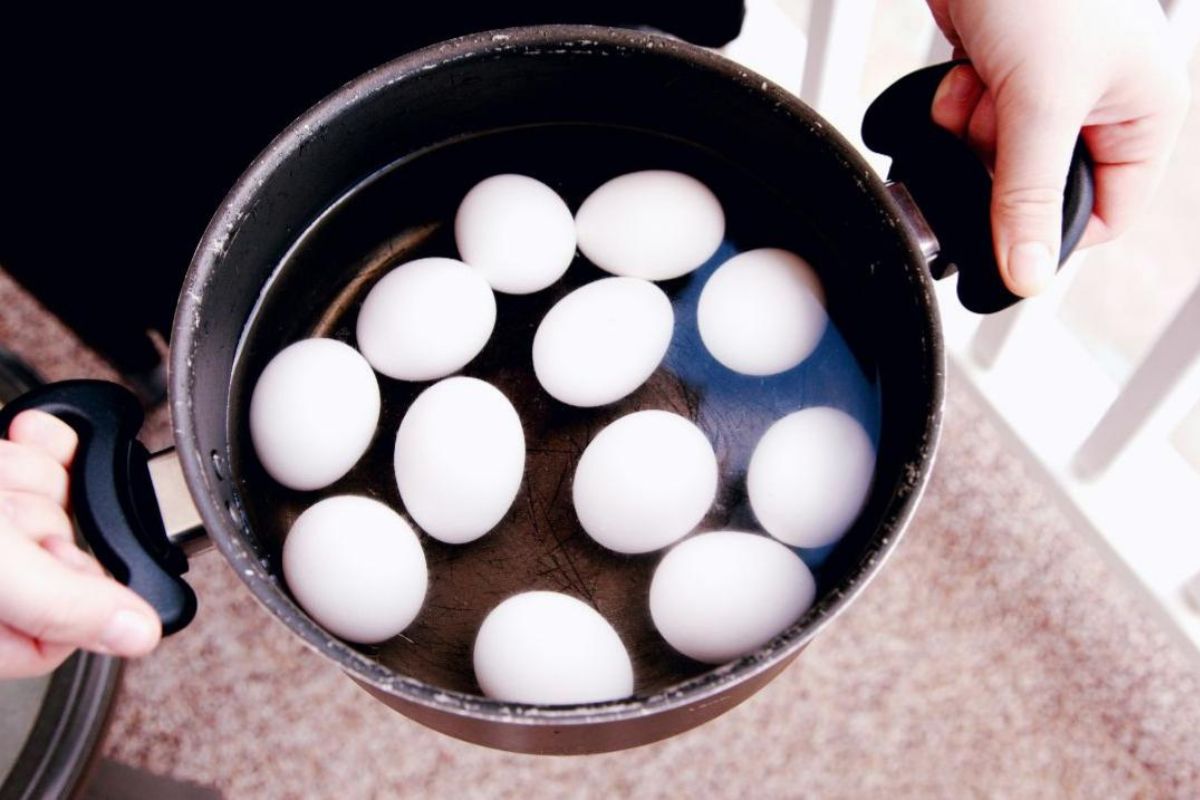
Place the eggs in a single layer at the bottom of a pot, then cover them with cold water by about one inch. Starting with cold water helps the eggs heat gradually, which can reduce cracking and support even cooking from shell to yolk.
Bring to a Gentle Boil
Set the pot over medium-high heat and bring the water to a gentle boil instead of a harsh rolling boil. Strong bubbling can knock the eggs around and crack the shells. A controlled boil gives the whites time to set while keeping the yolks smooth.
Cover and Rest
Once the water reaches a boil, turn off the heat, cover the pot, and let the eggs sit. So, how long to hard boil eggs? The resting time is usually about 10 to 12 minutes.
Transfer Immediately to Ice Water
Move the eggs into a bowl of ice water right after cooking. This stops the cooking process, helps prevent greenish yolk rings, and makes peeling easier. Let them chill for at least 5 minutes before cracking and peeling under running water.
3. How to Hard-Boil Eggs in Air Fryer
An air fryer can make hard-boiled eggs easier because it uses hot circulating air instead of a pot of boiling water. The method is simple, but timing may vary slightly depending on egg size and air fryer model.
- Preheat the air fryer: Set the air fryer to 250°F so the eggs cook gently and evenly.
- Arrange the eggs: Place the eggs in a single layer inside the air fryer basket. Avoid stacking them so the heat can circulate properly.
- Cook the eggs: Air fry for about 15 minutes for fully hard-boiled eggs. Some air fryers may need 1-2 extra minutes, so test a small batch first.
- Prepare an ice bath: While the eggs cook, fill a bowl with cold water and ice.
- Cool immediately: Transfer the hot eggs into the ice bath for 8–10 minutes to stop cooking and make peeling easier.
- Peel and serve: Crack the shells gently, peel under running water if needed, then use the eggs for breakfast, salads, snacks, or meal prep.
4. Top Tips for Making Hard-Boiled Eggs Easy to Peel
Smooth peeling starts before the shell cracks, because timing, cooling, and egg handling all affect the final result. With a few simple habits, hard-boiled eggs can come out cleaner, firmer, and easier to use for snacks, salads, or meal prep.
- Choose slightly older eggs: Eggs that are a few days old usually peel more easily than very fresh eggs.
- Watch the cooking time: For most large eggs, 10-12 minutes after boiling gives a firm yolk without overcooking.
- Use an ice bath immediately: Move the eggs into ice water right after cooking. The sudden cooling stops the cooking process and helps the egg shrink slightly away from the shell.
- Crack gently all over: Tap the egg on the counter and roll it lightly to create small cracks across the shell.
- Peel under running water: Water can slide between the shell and egg white, helping loosen stubborn pieces.
- Start peeling from the wider end: The wider end often has a small air pocket, which gives you a better starting point.
- Avoid overcooking: Overcooked eggs can develop dry yolks, greenish rings, and tighter shells.
4. Common Mistakes That Ruin Hard-Boiled Eggs
Hard-boiled eggs seem simple, but small mistakes can change the texture, flavor, and peeling results. Paying attention to heat, timing, and cooling helps prevent rubbery whites, dry yolks, cracked shells, and messy peeling.
Boiling Too Aggressively
Strong, rolling bubbles can knock eggs against the pot and cause shells to crack before they finish cooking. Harsh boiling may also make the whites tough and uneven. A gentle boil or controlled simmer gives the eggs enough heat to cook properly without damaging the shells or creating a rubbery texture.
Cooking for Too Long
Overcooking is one of the most common reasons hard-boiled eggs turn dry or develop a greenish ring around the yolk. This harmless but unappealing discoloration is caused by a reaction between iron and sulfur. To understand more about egg safety and quality standards, you can review the USDA Egg Nutrition and Safety Guide.
Skipping the Ice Bath
Leaving eggs hot after cooking allows the residual heat to keep working inside the shell. This can lead to overcooked yolks and harder peeling. An ice bath stops the cooking process quickly, helps protect the yolk color, and makes the egg pull away from the shell more easily.
>>> Read More: Applebees Menu 2026: All About Its Popular Meals & Drink Specials
5. FAQs about Cooking Eggs
Cooking eggs becomes much easier when you understand timing, water temperature, and cooling methods. These common questions help you choose the right technique for firm yolks, smooth whites, and easier peeling.
How long to boil eggs for hard boiled?
For most large eggs, 10–12 minutes is enough for a firm, hard-boiled center. If you want a slightly softer yolk, check around 9 minutes.
Should eggs go into boiling or cold water?
Both methods can work, but cold water is gentler and may reduce cracking. Starting eggs in hot water can give more accurate timing and easier peeling.
What’s the best method for meal prep?
For meal prep, cook several eggs at once using a steady cold water method or a controlled hot water method. After cooking, place them in an ice bath, dry them, and store them unpeeled.
How to hard boil eggs in air fryer?
Place the eggs in a single layer inside the air fryer basket. Cook at about 250°F for around 15 minutes, depending on your air fryer model.
6. Final Words
Hard-boiled eggs turn out best when timing, heat control, and quick cooling work together. Once you understand how to hard boil eggs and how long to boil hard boiled eggs, it becomes easier to avoid cracked shells, rubbery whites, dry yolks, and difficult peeling.
A simple ice bath can make a big difference, especially when preparing eggs for salads, snacks, breakfast, or weekly meal prep. Whether you use the stovetop or air fryer, testing the timing once helps you find the texture your family likes most. For more simple kitchen guides and everyday cooking tips, keep exploring with TeaKoe.