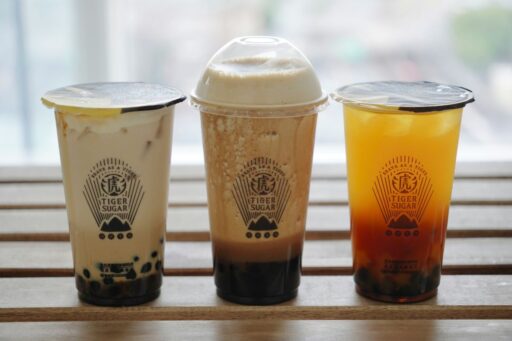
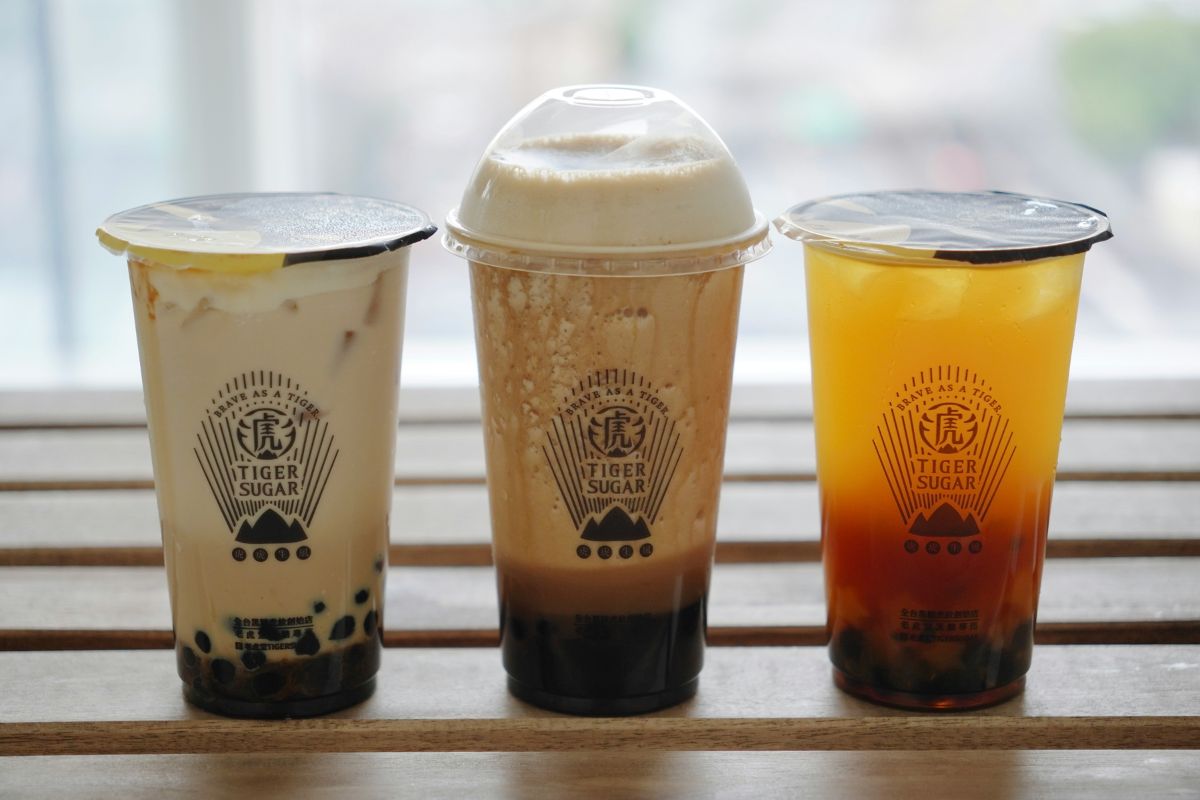

Bubble tea can feel like a fun dessert drink, but its caffeine level depends on the tea base, brewing strength, flavor, and add-ins. If you have ever wondered does bubble tea have caffeine, the answer is usually yes when it contains black, green, oolong, or matcha tea.
For a clearer breakdown of ingredients, caffeine ranges, and smarter drink choices, explore TeaKoe’s helpful guide before your next order.
1. Does Bubble Tea Have Caffeine?
Yes, most bubble tea does contain caffeine because it is usually made with a real brewed tea base. Black tea, green tea, oolong tea, jasmine tea, and matcha all contain caffeine naturally, so the final amount depends on the tea type, brewing strength, and cup size.
For a typical 16-ounce serving, bubble tea may contain around 40 to 100 mg of caffeine. Drinks made without tea, such as some brown sugar milk or fruit-based options, may contain little to no caffeine.
2. Which Bubble Tea Has the Most Caffeine?
The strength of bubble tea can vary widely depending on how the drink is made. From the tea base to the shop’s recipe, a few small choices can change whether your cup feels light, bold, or more energizing.
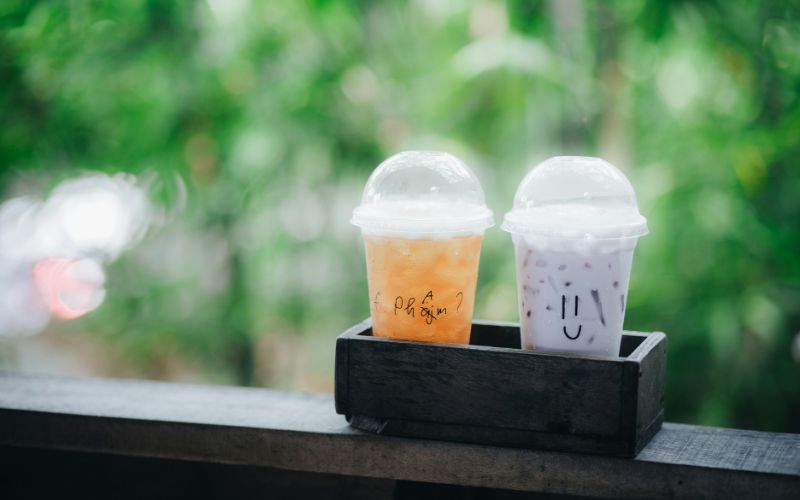
Black Tea Boba
Black tea boba is usually one of the strongest bubble tea choices for caffeine. Since black tea is naturally rich in caffeine, drinks made with this base can offer a more noticeable energy boost than many lighter tea options.
For anyone wondering does bubble tea have caffeine, black tea boba is one of the clearest examples. Classic milk tea, Thai milk tea, and some brown sugar tea blends may contain caffeine when black tea is used as the base, especially in larger servings.
Matcha Bubble Tea
Matcha bubble tea can also be high in caffeine because matcha powder is made from whole, ground green tea leaves. Instead of steeping and removing tea leaves, matcha is whisked directly into the drink, which makes its caffeine content more concentrated.
Its effect often feels smoother than black tea because matcha contains L-theanine, a natural compound associated with calm focus.
Depending on the amount of matcha powder used, this drink can be a strong option for people who want steady energy without a harsh caffeine spike.
Herbal Fruit Tea
Herbal fruit tea is usually the lowest-caffeine bubble tea option when it is made from caffeine-free ingredients such as hibiscus, chamomile, fruit infusions, or flavored syrups.
Still, not every fruit tea is caffeine-free. Some shops use green tea, black tea, or oolong tea as the base before adding fruit flavors, so the drink may still contain caffeine. Checking the base tea before ordering is the safest way to choose a low-caffeine option.
3. What Affects Caffeine in Bubble Tea?
Caffeine in bubble tea is not fixed because each drink depends on how the tea is prepared and how the recipe is built. Many people are surprised to learn that the caffeine level can vary widely based on the tea base, brewing method, and ingredient balance.
From the tea base to the amount of ice, several small details can change how strong or mild your cup feels.
Tea type
Tea type is one of the biggest factors that affect caffeine in bubble tea. Black tea usually has the highest caffeine level, which is why classic milk tea often feels stronger than lighter tea-based drinks.
Green tea and oolong tea contain moderate caffeine, while matcha may feel more intense because the whole tea leaf powder is consumed rather than only steeped. Herbal fruit teas are usually caffeine-free unless they are blended with real tea leaves.
Brewing strength
Brewing strength can also change the caffeine level in bubble tea. When tea leaves are steeped for a longer time or brewed with hotter water, more caffeine is extracted into the drink. Stronger brewing creates a bolder tea flavor, but it can also make the drink more stimulating.
Some shops prepare concentrated tea bases to keep the flavor noticeable after adding milk, syrup, toppings, and ice. Because of this, two bubble teas made with the same tea type may still have different caffeine levels.
Ice dilution
Ice dilution affects how concentrated the drink tastes and how much caffeine each sip may deliver. A bubble tea with more ice often becomes lighter as the ice melts, especially if the drink sits for several minutes before being finished.
Less ice usually keeps the tea base stronger because there is less water added to dilute the drink. However, the total caffeine depends on the original brewed tea, not just the amount of ice in the cup.
Brand recipe
Brand recipe plays an important role because every bubble tea shop may use different tea leaves, brewing methods, serving sizes, and ingredient ratios. Some brands use stronger tea concentrates, while others create sweeter, creamier drinks where the tea flavor is softer.
Serving size also matters. A larger cup may contain more brewed tea than a smaller one, which can raise the total caffeine amount. Checking a brand’s nutrition information, when available, is the best way to estimate caffeine more accurately.
>>> Read More: How To Make Boba Tea: The Ultimate Recipe Collection
4. Frequently Asked Questions About Bubble Tea and Caffeine
Bubble tea can feel light, creamy, or surprisingly energizing depending on what goes into the cup.
Does taro bubble tea have caffeine?
Taro milk bubble tea can have caffeine when the shop blends taro flavor with black, green, or oolong tea, while versions made only with taro powder, milk, sugar, and toppings are usually caffeine-free.
Does bubble milk tea have caffeine?
Most bubble milk tea has caffeine because classic recipes are usually made with brewed black, green, or oolong tea, and black milk tea often feels stronger than lighter fruit milk tea versions.
Does Joyba bubble tea have caffeine?
Some Joyba bubble tea flavors contain caffeine because they use green tea or black tea, while botanical or herbal-style flavors may be caffeine-free depending on the product line.
Is bubble tea stronger than coffee?
Most bubble tea is not stronger than coffee because tea-based drinks usually contain less caffeine than a regular cup of coffee, though matcha bubble tea or strongly brewed black milk tea can still feel energizing.
Can bubble tea make you hyper?
Bubble tea can make some people feel more alert when it contains black tea, green tea, oolong, or matcha, and sweet toppings may also create a quick energy lift.
5. Final Thoughts
This drink can taste creamy, fruity, refreshing, or bold, but its strength usually depends on the tea base, brewing style, cup size, and recipe. So, does bubble tea have caffeine? In most tea-based versions, yes, though the amount may range from a mild lift to a stronger energy boost.
For smarter drink choices, TeaKoe helps readers understand tea types, flavor notes, and ways to enjoy each cup with more confidence.