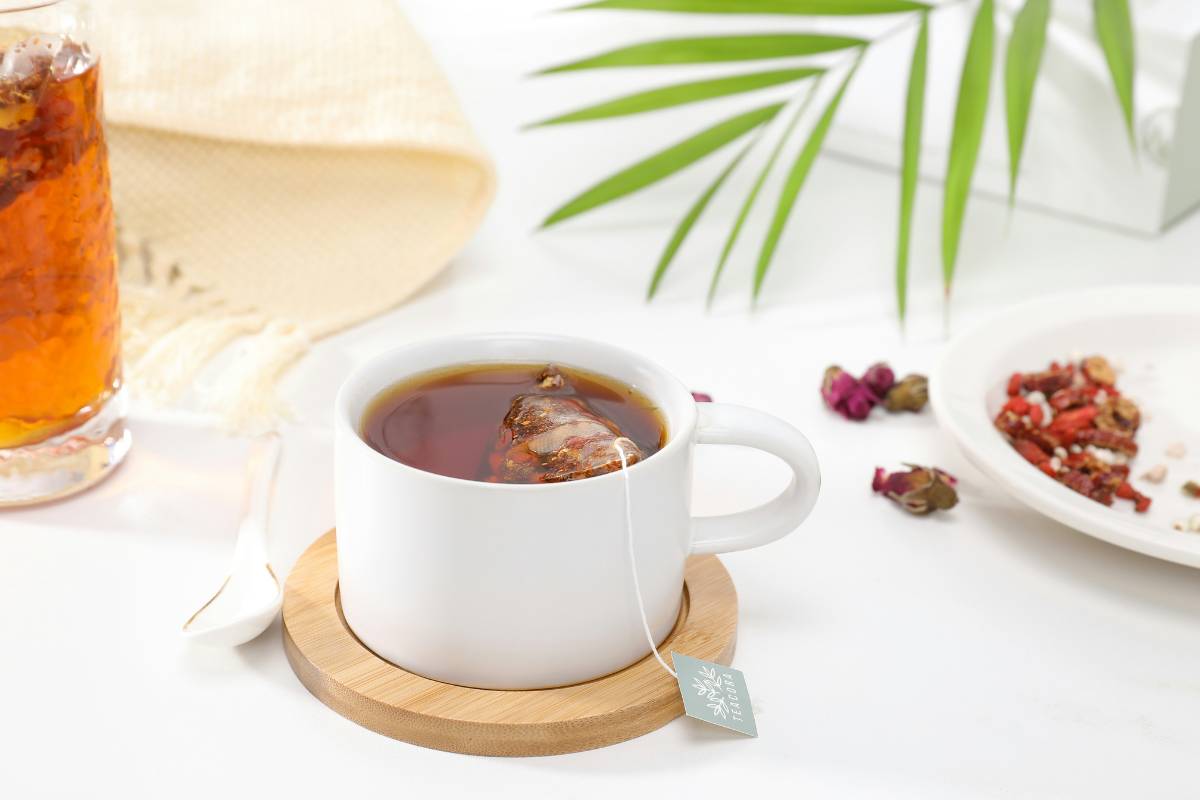

Tea bags are part of everyday brewing, but not everyone knows what goes into making them. Many people ask what are tea bags made of when considering quality, safety, and environmental impact. Materials can range from paper fibers to synthetic mesh, each affecting how tea steeps and how safe or sustainable it is.
1. What Are Tea Bags Made Of?
Tea bags are typically made from a variety of materials, each designed to balance filtration, durability, and brewing performance. Common options include paper fibers, as well as nylon or silk-like mesh that allows better water flow and fuller flavor extraction.
Some modern tea bags are also made from biodegradable plant-based materials. The choice of material can affect not only how well the tea steeps but also factors like safety, taste, and sustainability.
2. What Are Tea Bags Made Out Of Today? (Modern vs Traditional)
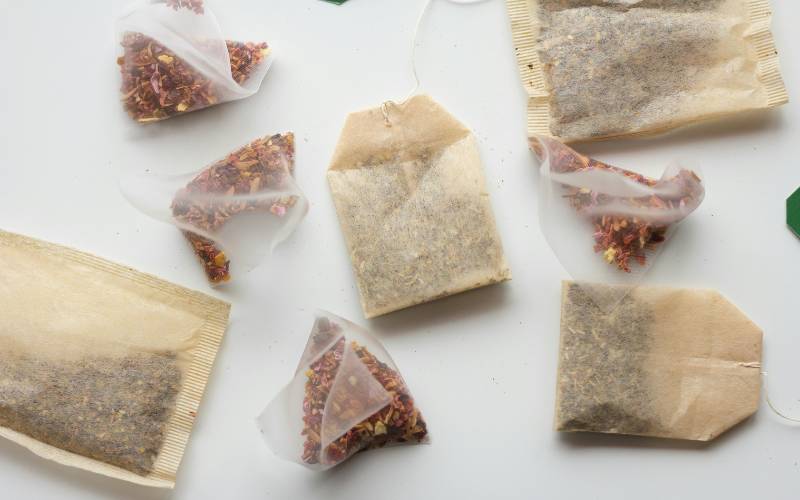
Traditional tea bags are usually made from paper fiber, which is simple, affordable, and designed for quick brewing. These bags often contain finely cut tea leaves and are widely used in standard commercial products. While convenient, they may limit flavor extraction compared to other formats.
Modern tea bags, especially pyramid-shaped designs, are often made from nylon or PLA (a plant-based biodegradable material). These allow larger tea leaves to expand fully, improving flavor and aroma.
3. How to Choose Safer Tea Bags?
Not all tea bags are as safe as they appear, especially when some materials can release chemicals or microplastics in hot water.
Avoid Plastic and Synthetic Fibers
Many premium-looking tea bags, especially silky or pyramid styles, are made from nylon, PET, or PLA. These materials can break down under high temperatures and release microplastics into your drink.
Even PLA, though plant-based, still requires industrial composting and may not fully degrade in normal conditions.
Switching to paper-based tea bags is a safer choice for daily use. These options reduce exposure to synthetic materials.
Look for Reliable Certifications
Certifications provide a clearer signal of product safety and environmental standards.
Labels such as BPI Certified indicate that the tea bags are designed to be biodegradable and free from plastic-based materials.
Choose Organic Tea Options
Organic tea is grown without synthetic pesticides, herbicides, or chemical fertilizers. Over time, these differences can affect both flavor and overall quality.
For regular tea drinkers, choosing organic tea bags can help reduce long-term exposure to unwanted chemicals. It also supports more sustainable agricultural practices.
Check for Unbleached Paper
Some tea bags are treated with bleaching agents to achieve a bright white appearance. In certain cases, chemicals like epichlorohydrin may be used, which can raise concerns when exposed to hot water during brewing.
Opting for unbleached or oxygen-bleached paper is a safer alternative. These options are typically labeled clearly and are less likely to introduce unnecessary chemicals into your tea.
Prefer Simple and Traditional Materials
Tea bags made with simple construction tend to be safer and more reliable. Traditional designs using white or brown paper, folded or stitched, minimize the need for adhesives, staples, or synthetic seals.
Avoid overly complex designs that combine multiple materials. Simpler tea bags not only reduce potential risks but also align better with eco-friendly and health-conscious choices.
4. Best Alternatives to Regular Tea Bags
Standard tea bags are convenient, but they are not always the best choice for flavor, safety, or sustainability.
Loose-leaf tea
Loose-leaf tea is one of the most natural and high-quality options available. Instead of being packed into bags, whole or partially broken leaves are brewed directly in water, allowing them to expand fully and release more flavor.
Another advantage is transparency, as you can clearly see the tea leaves and avoid hidden fillers or additives.
Compostable tea bags
Compostable tea bags are designed to break down more easily than traditional options, making them a better choice for eco-conscious consumers. These bags are usually made from plant-based fibers that can decompose under the right conditions.
However, not all compostable labels mean the same thing. Some materials still require industrial composting to fully break down.
Reusable tea filters
Reusable tea filters offer a practical and long-term alternative to disposable tea bags. Made from materials like stainless steel, cotton, or silicone, they allow you to brew loose-leaf tea without generating daily waste.
They are easy to clean and can be used repeatedly, making them both cost-effective and environmentally friendly. Over time, reusable filters help reduce reliance on single-use products while giving you full control over your tea brewing experience.
6. FAQs about Tea Bags
Different tea brands may use slightly different materials, which is why many people look for brand-specific answers before choosing what to drink daily.
What are Lipton tea bags made of?
Lipton tea bags are typically made from paper fibers that are designed to be heat-resistant and allow proper water flow. In some cases, they may include small amounts of food-grade materials to maintain shape and durability.
What are traditional medicinals tea bags made of?
Traditional Medicinals tea bags are generally made from unbleached, plant-based paper fibers. The brand emphasizes using materials that are free from plastic and synthetic additives.
What are celestial seasonings tea bags made of?
Celestial Seasonings tea bags are made from a blend of natural paper fibers without strings, tags, or staples. The focus is on using minimal and functional materials while maintaining good tea infusion.
7. Final Thoughts
Tea quality is not only about the leaves but also the materials used to hold them. Knowing what tea bags are made of gives you a clearer view of what actually goes into your cup and helps you avoid unnecessary additives or synthetic materials.
With a few simple adjustments, you can choose safer and more reliable options for everyday use. To learn more and make better tea choices, you can explore additional guides from TeaKoe for practical insights and smarter brewing tips.