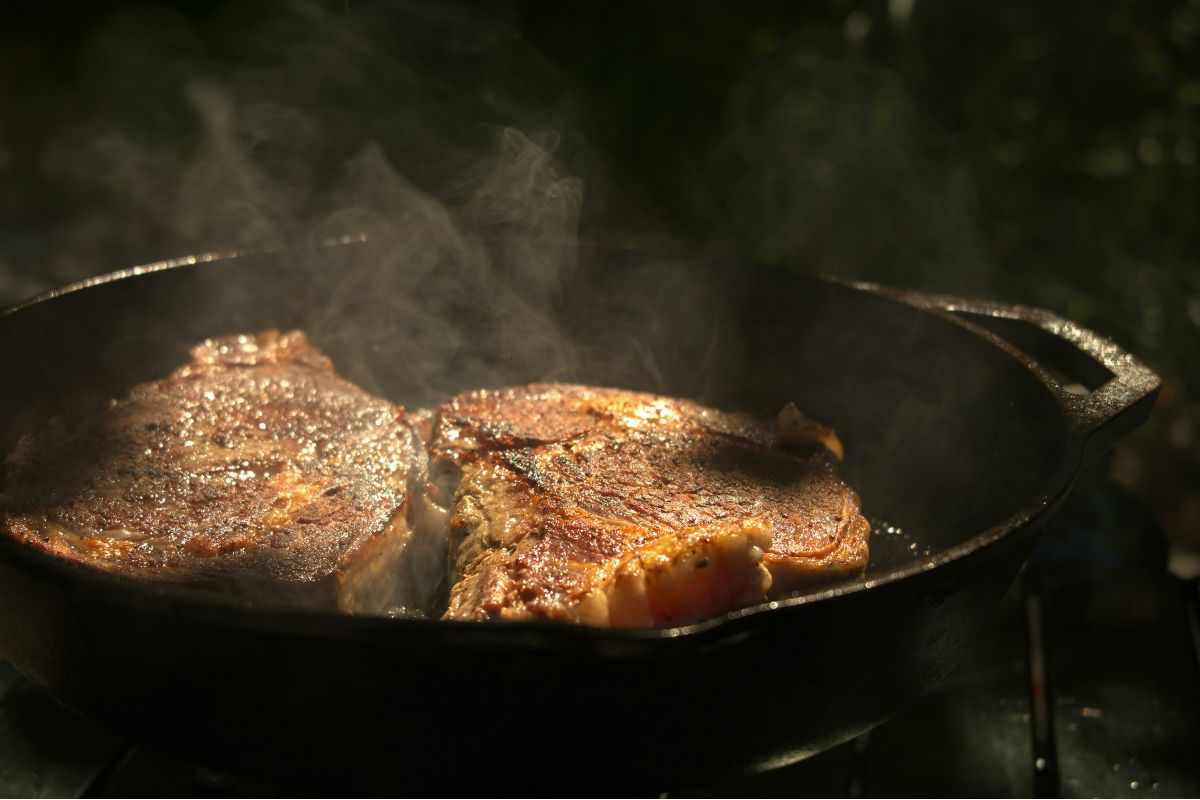

Refrigerated pork chops can become firm or dry when reheated with too much direct heat, especially if the meat is lean or already well-cooked. Learning how to reheat pork chops helps preserve tenderness by balancing temperature, moisture, and timing so the center warms without toughening the edges.
Chop thickness, cooking style, and storage method also affect the outcome. Refer to the TeaKoe guide below for more practical reheating techniques and texture-saving tips.
1. Think About Moisture Before You Think About Heat
Reheating pork chops successfully starts with protecting the moisture already inside the meat. Lean cuts can dry out quickly, so adding a small amount of broth, pan juices, or butter before warming helps create a gentler environment and reduces moisture loss.
Covering the pork chops during reheating can also trap steam and keep the surface from becoming tough. Instead of relying on higher temperatures, use moderate heat and check the meat early so it warms through without losing its tenderness.
Trapping that moisture is only half the battle; how you manage the reheating environment is just as critical. When heat is applied too aggressively, muscle fibers quickly contract and squeeze out remaining moisture, leaving even a well-hydrated pork chop dry and rubbery.
By introducing gentle humidity such as wrapping the chops in foil for oven reheating or adding a damp paper towel in the microwave, you create a protective buffer that warms the meat from the outside in.
2. How to Reheat Pork Chops Step by Step
Good reheating is less about speed and more about controlling moisture, temperature, and timing.
- Prepare the pork chops: Remove the chops from the refrigerator, place them in a suitable dish or pan. Add a small amount of broth, pan juices, or another moisture source to help protect the meat.
- Reheat gently: Use moderate heat and keep the chops covered whenever possible. Gentle reheating reduces moisture loss while giving the center enough time to warm through.
- Check the center: Test the thickest part before serving to make sure the chop is heated evenly. Avoid leaving it exposed to heat longer than necessary once the center is warm.
- Rest before serving: Let the pork chops sit briefly after reheating. This short rest allows heat and juices to settle more evenly through the meat, improving tenderness and overall texture.
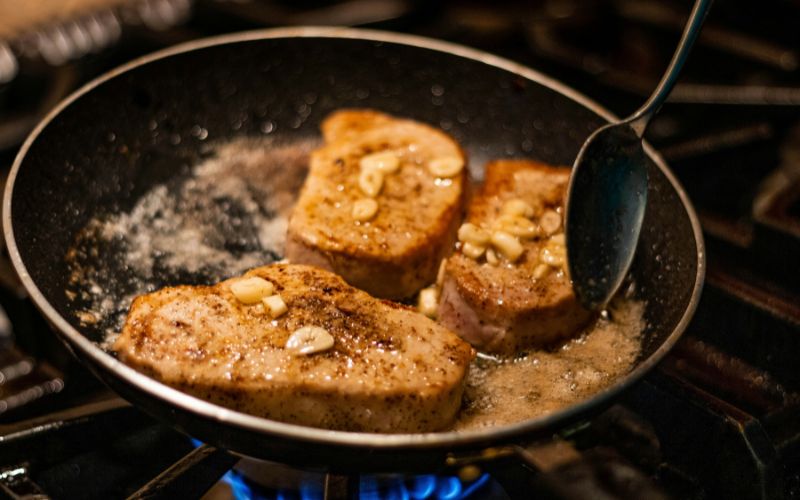
3. Bone-In, Boneless, and Thick-Cut Pork Chops Need Different Treatment
Pork chop thickness and bone structure influence how quickly heat reaches the center and how easily moisture escapes.
Adjusting the reheating approach for each type helps prevent dry edges, cold centers, or unnecessary overcooking.
| Pork Chop Type | Reheating Approach | Best Tip |
|---|---|---|
| Bone-In | Use gentle heat for slightly longer so the warmth reaches the meat around the bone. | Cover the chops and check the thickest section near, but not touching, the bone. |
| Boneless | Reheat for a shorter period because the meat warms more quickly and can dry out faster. | Add a little moisture and check early to avoid overcooking. |
| Thick-Cut | Use lower, steadier heat so the center warms before the exterior becomes tough. | Allow extra time and keep the chops covered for more even reheating. |
4. Four Small Habits That Keep Pork Chops Tender
Tender reheated pork chops depend on more than temperature alone.
Small choices before, during, and after warming can help preserve moisture, improve texture, and keep the meat from becoming dry or chewy.
Bring the meat closer to room temperature
Letting refrigerated pork chops lose some of their chill before reheating can promote more even warming.
When the center is extremely cold, the exterior may spend too long under heat before the middle is ready. Keep the resting period brief and avoid leaving cooked pork at room temperature for extended periods.
Never slice too early
Cutting pork chops before reheating exposes more surface area, allowing moisture to escape faster.
Keeping each chop whole helps retain juices while the center warms gradually. Slice the meat only after reheating and resting so each bite stays more tender and succulent.
Add butter or broth at the end
A small amount of butter, broth, or reserved pan juices can improve moisture and flavor without soaking the meat. Add it near the end of reheating or spoon it over the chops just before serving.
Reheat only once
Repeated reheating can gradually remove moisture and make pork chops firmer each time. Warm only the amount you plan to serve, then keep the remaining portion refrigerated.
Limiting reheating cycles also reduces unnecessary handling and helps preserve the texture and flavor of the leftovers.
>>> Read More: How Long to Reheat Ribs in Oven at 250°F Without Drying Them Out
5. Frequently Asked Questions About Reheating Pork Chops
Getting pork chops back to a tender, restaurant-quality standard requires a balance of heat control and proper moisture retention. Below, we cover key questions to clarify temperatures, storage, and practical reheating techniques.
Should bone-in pork chops be reheated differently?
Yes, bone-in pork chops may need slightly more time because the meat surrounding the bone can warm more slowly. Use gentle heat and check the thickest portion carefully so the chop heats evenly without drying out.
Can broth help keep pork chops moist?
Yes, a small amount of broth can help create steam and reduce surface drying during reheating. Add only enough to lightly coat the bottom of the pan or dish, then cover the chops so the added moisture supports tenderness without making them soggy.
Can frozen cooked pork chops be reheated?
Yes, cooked pork chops can be reheated from frozen, although thawing them in the refrigerator first usually promotes more even heating. When reheating directly from frozen, use lower heat for longer and check the center carefully before serving.
6. Final Thoughts
Juicy reheated pork chops come down to gentle heat, controlled moisture, and careful timing rather than rushing the process. TeaKoe offers practical kitchen guidance for making refrigerated leftovers more satisfying at the next meal.
Following how to reheat pork chops with the right approach helps protect tenderness, warm the center evenly, and avoid the dry, chewy texture that often comes from excessive heat or repeated reheating.