
Refrigerated rice often becomes firm, clumpy, or dry as it loses moisture during storage. Knowing how to reheat white rice properly helps restore a softer texture while separating the grains and avoiding a soggy result.
Moisture level, portion size, storage condition, and heating method all influence how well the rice revives. Refer to the TeaKoe guide below for more practical reheating methods and texture-saving tips.
1. Every Grain Matters: Why White Rice Changes After Refrigeration
White rice firms up in the refrigerator because its starches undergo retrogradation, a process in which cooked starch molecules reorganize into more ordered, crystal-like structures.
As moisture shifts within the grains, the texture becomes drier, denser, and less tender than when freshly cooked.
2. How to Reheat White Rice Without Drying It Out
The best results come from restoring a little moisture while heating the rice evenly from edge to center.
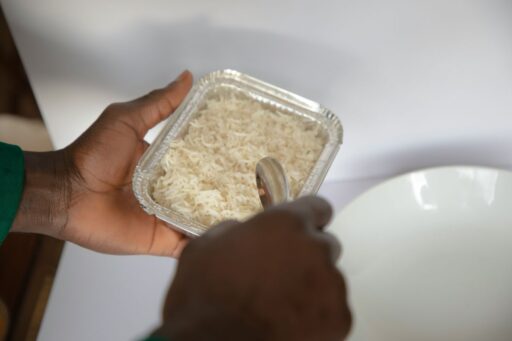
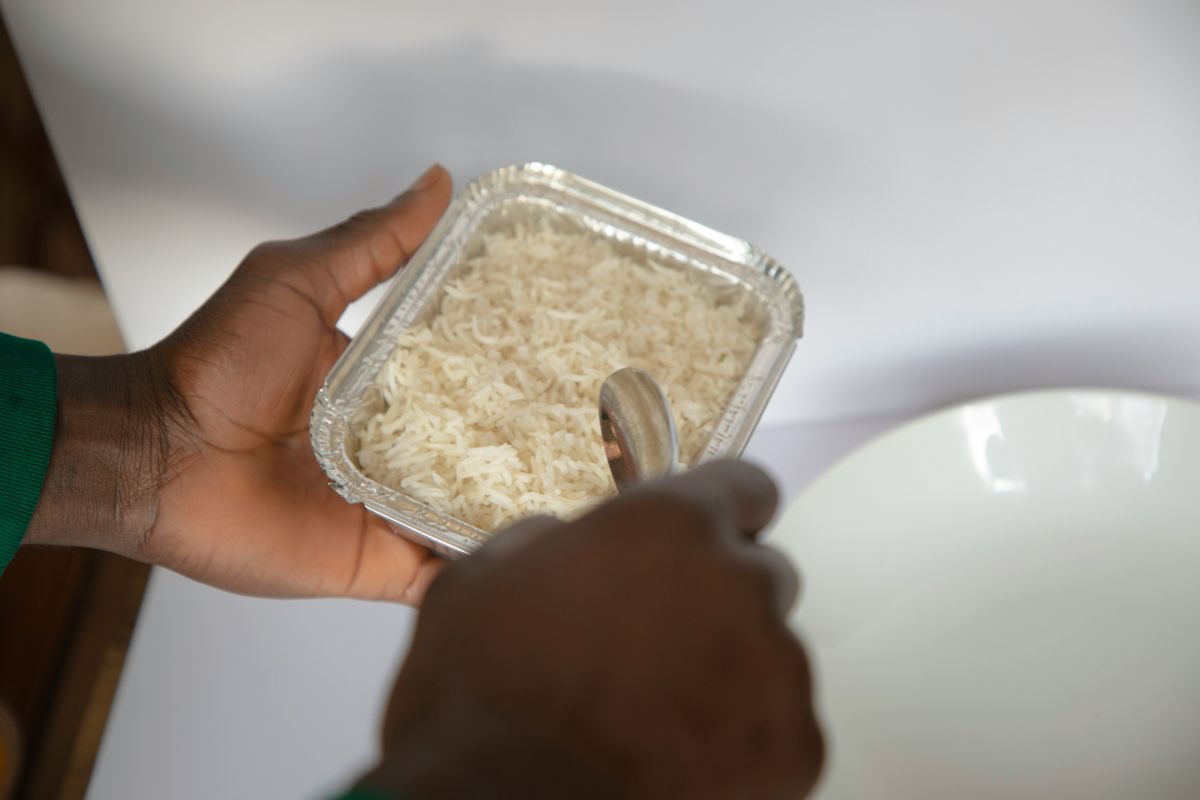
- Break up the rice first: Use a fork or spoon to separate compacted rice before reheating so heat and moisture can move through the portion more evenly.
- Add moisture the right way: Sprinkle a small amount of water over the rice, then cover it loosely to trap steam without making the grains soggy.
- Heat until every grain is warm: Reheat in short intervals or over gentle stovetop heat, stirring occasionally until there are no cold spots remaining.
- Fluff before serving: Let the rice rest briefly, then fluff it with a fork to separate the grains and redistribute the remaining steam for a softer texture.
3. The Tiny Mistakes That Leave Rice Hard in the Middle
Small reheating errors can make leftover rice dry on the outside while the center stays firm or unevenly warmed.
Using Too Much Heat
High heat can dry the outer grains before the center has enough time to warm through. Use moderate heat and give the rice time to steam gently instead of trying to warm it as quickly as possible.
Adding Too Little Moisture
Cold rice often needs a small amount of added water to regain its softer texture during reheating. Without enough moisture, the grains may stay firm, clump together, or develop dry patches.
Lightly sprinkling water before reheating helps create steam, which softens the rice more evenly in both the microwave and on the stovetop.
Skipping the Fluff
Serving rice immediately after reheating can leave compacted sections, trapped steam, and uneven moisture throughout the portion.
Fluffing gently with a fork separates the grains, releases excess steam, and redistributes moisture more evenly.
Reheating Large Clumps
Dense clumps can block heat from reaching the center, leaving some grains cold, firm, or unevenly warmed while the outside becomes too hot. Break the rice apart gently before reheating, then stir or fluff it partway through.
4. Food Safety Note: How to Store and Reheat Rice Safely
Cool cooked rice promptly, ideally within about one hour, then refrigerate it in an airtight container and use it within 3 to 4 days.
Follow standard leftover safety guidelines as uncooked rice can contain bacterial spores that survive cooking, so leaving cooked rice at room temperature too long increases risk. Reheat leftovers thoroughly until steaming hot throughout before serving.
5. Moisture Recovery FAQs for White Rice
Moisture control makes a noticeable difference when reheating refrigerated or frozen rice.
Should water be added before reheating?
Yes, adding a small amount of water can help restore moisture that rice loses during refrigeration. Sprinkle the water evenly over the grains, then cover the rice while reheating to trap steam.
Can white rice be reheated straight from the freezer?
Yes, frozen cooked rice can be reheated directly without thawing first, which makes it convenient for quick meals. Add a small amount of water, cover the rice to trap steam, and heat until thoroughly hot throughout. Break apart frozen clumps midway through reheating so the grains warm more evenly and regain a softer texture.
Is it safe to reheat rice more than once?
It is better to reheat only the amount of rice you plan to eat at one time. Repeated cooling and reheating can increase food-safety concerns if the rice is not handled properly. Multiple heating cycles also remove more moisture, making the grains progressively drier, firmer, and less enjoyable to eat.
Should Rice Be Covered While Reheating?
Yes, covering rice helps trap steam and prevents moisture from escaping too quickly. Use a microwave-safe cover, lid, or suitable stovetop lid so the grains warm more evenly and stay softer.
What Should You Do If Reheated Rice Is Still Dry?
Add a small splash of water, gently stir the rice, then heat it again for a short interval while covered. Avoid adding too much liquid at once, since excess moisture can make the rice mushy instead of fluffy.
>>> Read More: How to Reheat Rice on Stove Without Drying It Out Today
6. Final Thoughts
Soft, fluffy leftover rice depends on restoring moisture, heating every grain evenly, and avoiding excessive heat. TeaKoe offers practical kitchen guidance for making refrigerated staples taste fresher at the next meal.
Following how to reheat white rice correctly helps loosen clumps, revive tenderness, and prevent dry centers, while proper cooling and storage keep leftovers safer and more enjoyable to serve.