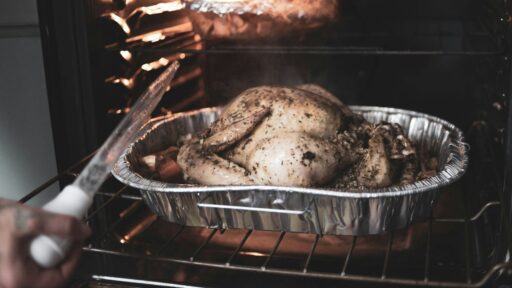

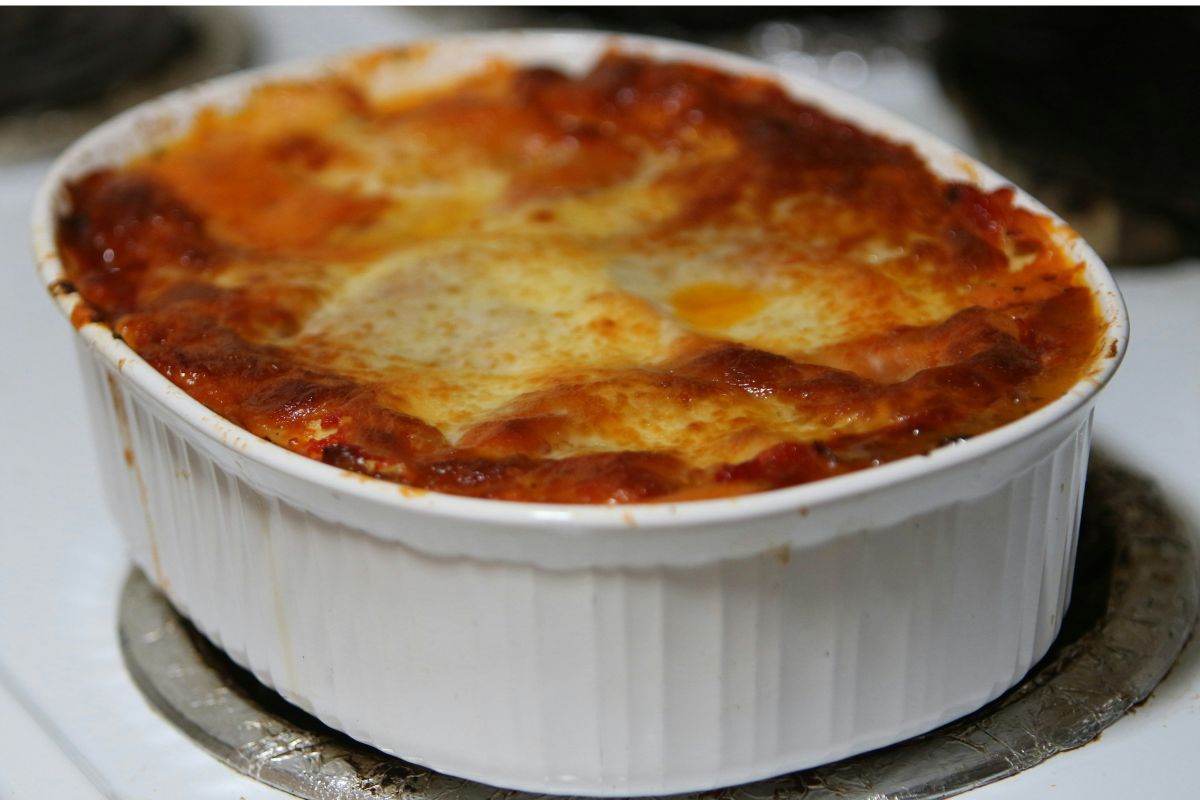

Family-size lasagna needs slower, steadier heat so the center warms without drying the corners or toughening the cheese. This guide on how to reheat lasagna in the oven explains how to use foil, add moisture, and proper timing to bring back soft pasta, rich sauce, and melty layers.
For more practical leftover tips, refer to TeaKoe’s guide below and serve a warm, comforting meal again.
1. Why the Oven is the Absolute Best Way to Reheat a Family-Sized Lasagna?
Family-sized lasagna needs steady heat because thick layers warm more slowly than single slices.
- Heats large portions evenly: The oven surrounds the full baking dish with consistent heat.
- Protects the layers: Lasagna has pasta, sauce, cheese, and filling stacked together. Oven reheating gives each layer time to soften and warm without breaking apart.
- Keeps moisture controlled: Covering the dish with foil traps gentle steam.
- Works better for family meals: Larger portions need more space and longer reheating time. The oven handles a full pan better than a microwave, which can leave cold spots.
- Restores a baked finish: Removing the foil near the end helps the cheese melt, bubble, and lightly brown.
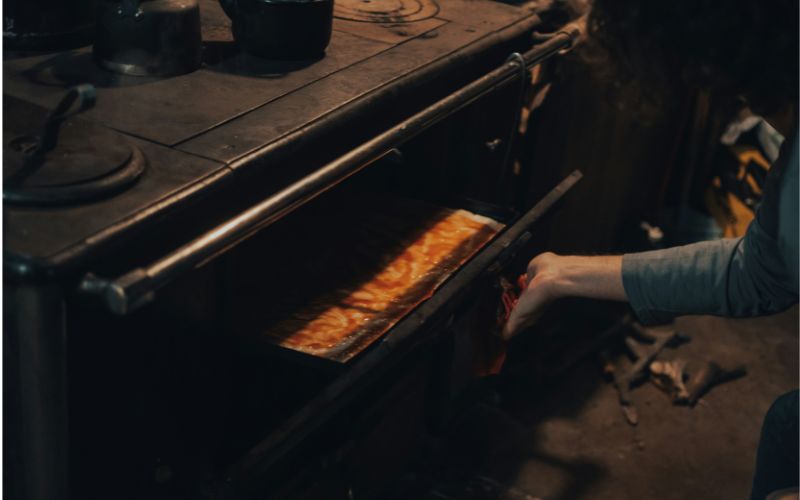
2. How to Reheat Lasagna in the Oven and Keep Every Layer Moist
Lasagna reheats best when the oven warms it slowly enough for the sauce, noodles, cheese, and filling to soften together. A little added moisture and foil coverage can keep the edges from drying out before the center becomes hot.
- Preheat the oven: Set the oven to about 350°F for steady, even reheating.
- Use an oven-safe dish: Place the lasagna in a baking dish that fits the portion well.
- Add extra moisture: Spoon a little marinara sauce, broth, or a few drops of water around the edges.
- Cover with foil: Tent the foil loosely so steam stays inside without pressing into the cheese.
- Reheat gently: Warm a full family-sized portion for about 30 to 45 minutes, depending on thickness.
- Check the center: Insert a knife or thermometer into the middle to make sure the lasagna is hot throughout. For optimal food safety, ensure that the internal temperature reaches the standard requirement of 165°F before taking it out of the oven.
- Uncover near the end: Remove the foil during the last 5 to 10 minutes if you want the cheese to melt and bubble.
- Let it rest: Wait a few minutes before serving so the layers settle and hold together better.
3. Reheating Times: Individual Slices vs. A Whole Baking Pan
Individual lasagna slices reheat faster because heat can reach the center more easily. At 350°F, one or two slices usually need about 15 to 25 minutes, depending on thickness and whether they are cold from the refrigerator.
Cover the slices with foil first, then uncover near the end if you want the cheese to bubble slightly.
A whole baking pan needs more time because the center warms much slower than the edges. Most family-sized pans need about 30 to 45 minutes at 350°F, and deeper pans may take longer.
Keep the dish covered for most of the reheating time, add a little sauce around the edges, and let it rest before serving.
4. Crucial Mistakes That Will Dry Out or Ruin Your Lasagna
Lasagna can lose its soft layers quickly when reheated with too much heat, not enough moisture, or poor timing.
Reheating Without Covering
Leaving lasagna uncovered for the full reheating time can dry out the top layer and edges before the center is hot. Foil helps trap gentle steam and protects the cheese from becoming rubbery.
Skipping Extra Sauce or Moisture
Cold lasagna often absorbs sauce while sitting in the refrigerator, which can make the noodles firmer.
Reheating without extra moisture may leave the corners dry and chewy. Add a little marinara, broth, or water around the edges before covering the dish.
Using Heat That Is Too High
High oven heat may warm the outside quickly, but it can dry the edges and toughen the cheese before the middle is ready.
Moderate heat around 350°F works better for steady reheating. Lasagna needs time for the layers to soften together.
Cutting and Serving Too Soon
Serving lasagna immediately after reheating can make the layers slide apart and release too much moisture.
Letting it rest for a few minutes helps the sauce, cheese, and pasta settle. This short pause makes each portion cleaner, softer, and easier to serve.
>>> Read More: How to Reheat Tamales Without Drying Out the Masa [Full Guide]
5. Oven Lasagna Reheating Questions Answered
Lasagna reheats best when the layers have enough moisture, time, and gentle oven heat.
Why does lasagna dry out?
Lasagna dries out when the noodles absorb sauce during storage or when the oven’s heat pulls moisture from the edges.
Reheating uncovered for too long can also make the cheese tough and the pasta chewy. Adding sauce and covering with foil helps protect the texture.
Should lasagna rest after reheating?
Yes, lasagna should rest for a few minutes after reheating. This helps the sauce, cheese, and pasta settle so the layers hold together better.
Resting also spreads heat more evenly through the center before serving.
How do you keep lasagna moist?
Add a little marinara sauce, broth, or water around the edges before reheating. Cover the dish loosely with foil so the steam stays inside while the center warms.
Remove the foil near the end only if you want the cheese to bubble slightly.
6. Final Words
Family-sized lasagna can taste warm, soft, and comforting again when you reheat it slowly in the oven. Steady heat, foil coverage, and a little added sauce help protect the noodles, cheese, and filling from drying out before the center becomes hot.
Good results also depend on timing, portion size, and letting the dish rest before serving. Individual slices need less time, while a whole pan needs patience and gentle moisture. For more practical leftover tips, TeaKoe’s guide on how to reheat lasagna in the oven can help every layer come back rich, melty, and family-ready.