

Pulled pork needs slow, gentle heat to stay tender because the shredded meat can dry out quickly after storage. This guide on how to reheat pulled pork explains how to bring back moisture, preserve smoky flavor, and keep the texture juicy instead of tough.
For more practical leftover tips, refer to TeaKoe’s guide below and make every serving taste rich, warm, and barbecue-ready again.
1. What is the Best Way to Reheat Pulled Pork without Drying it Out?
How to make leftover pulled pork juicy? The best way to reheat pulled pork without drying it out is to use gentle heat with added moisture.
Can you reheat already cooked pork? Yes, as long as it has been stored safely and warmed properly.
According to official USDA food safety guidelines, cooked pork leftovers should be reheated to an internal temperature of 165°F to ensure they are safe to eat.
Place the pork in a shallow pan, add 1 to 2 tablespoons of apple juice, broth, or BBQ sauce per pound, then cover tightly with foil. Heat in the oven or smoker at 250°F to 325°F until warm and juicy.
>>> Read More: How to Reheat Prime Rib Without Overcooking It [2026]
2. How to Reheat Pulled Pork Without Losing Moisture
Pulled pork reheats best when moisture is added back before the heat starts working.
Method 1: Reheating Pulled Pork in the Oven
Oven reheating is one of the most reliable ways to warm pulled pork because it gives steady, even heat.
It works well for medium or large portions, especially when the pork is spread in a shallow dish and covered tightly.
- Preheat the oven: Set it to about 250°F to 325°F for gentle reheating without drying the pork too quickly.
- Add moisture: Mix in apple juice, broth, reserved cooking liquid, or BBQ sauce before heating.
- Spread the pork evenly: Place the pulled pork in a shallow baking dish so it warms at the same pace.
- Cover tightly: Use foil to trap steam and keep the shredded meat juicy.
- Heat until warm: Reheat until the pork is hot throughout, stirring once if needed.
- Finish with sauce: Add extra BBQ sauce or cooking juices before serving for a richer texture.
Method 2: The Crockpot / Slow Cooker Method
Slow cooker reheating is ideal when you want pulled pork to stay moist for serving over a longer period.
The covered pot warms the meat slowly, giving it time to absorb liquid without drying out.
- Add pork to the slow cooker: Place the pulled pork in an even layer so it warms consistently.
- Pour in liquid: Add a small amount of broth, apple juice, cooking juices, or BBQ sauce.
- Use low heat: Set the slow cooker to low to prevent the meat from drying or scorching.
- Stir occasionally: Gently turn the pork so the moisture spreads through the shredded meat.
- Reheat slowly: Warm until the pork is hot and tender, usually about 1 to 2 hours depending on the amount.
- Keep warm carefully: Use the warm setting only after reheating, and add extra liquid if it starts to look dry.
Method 3: The Microwave Method
Microwave reheating is the fastest option for small servings, but it needs extra moisture and short timing.
Without liquid or a cover, pulled pork can dry out quickly and heat unevenly.
- Use a microwave-safe dish: Place the pulled pork in a shallow bowl or plate so it heats more evenly.
- Add moisture first: Mix in a splash of broth, apple juice, BBQ sauce, or cooking liquid.
- Cover loosely: Use a microwave-safe lid or a damp paper towel to trap light steam.
- Heat in intervals: Microwave in 30-second bursts instead of one long cycle.
- Stir between rounds: Turn the pork gently so hot spots do not dry out certain areas.
- Stop once hot: Remove as soon as the pork is warmed through, then add sauce if needed.
3. Common Mistakes That Ruin Pulled Pork
Can I make pulled pork the day before and reheat? Yes, but pulled pork can lose its tender texture when reheated too quickly or handled too roughly. Without enough moisture, the shredded meat may turn dry, stringy, and less flavorful.
High Heat
High heat can dry out pulled pork fast because shredded meat has more exposed surface area than a whole roast
It may warm quickly on the outside while turning tough or stringy inside. Use low to moderate heat so the pork can reheat gently without losing its juices.
Not Adding Moisture
Pulled pork needs added moisture because it often dries out in the refrigerator.
Broth, apple juice, reserved cooking liquid, or BBQ sauce can help soften the meat and revive flavor. Without liquid, the pork may taste flat, dry, and less tender after reheating.
Reheating Too Long
Pulled pork is already cooked, so it only needs to be warmed through.
Reheating too long can break down the texture, dry out the strands, and make the sauce taste overly concentrated. Stop once the meat is hot, moist, and easy to pull apart.
Overmixing the Meat
Overmixing can break the pulled pork into small, mushy pieces and make the texture less appealing.
Stir gently only when needed to spread moisture and heat evenly. Use light turning motions instead of heavy mixing so the pork keeps its tender, shredded structure.
4. Creative Ways to Use Leftover Pulled Pork
Leftover pulled pork can turn into quick meals that still taste smoky, tender, and satisfying.
BBQ Sandwiches
BBQ sandwiches are one of the easiest ways to reuse pulled pork because the meat already has a rich, smoky flavor. Warm the pork with a little BBQ sauce or cooking liquid, then pile it onto soft buns. Add coleslaw, pickles, or onions for crunch and balance.
Tacos
Tacos give leftover pulled pork a fresher, brighter flavor. Reheat the meat gently, then add it to warm tortillas with salsa, lime, cilantro, onions, or avocado.
Nachos
Nachos work well when you want a fast, shareable dish with bold flavor. Spread tortilla chips on a tray, add warm pulled pork, cheese, beans, and jalapeños, then bake until melted. Finish with sour cream, salsa, green onions, or BBQ drizzle for extra richness.
Loaded Baked Potatoes
Loaded baked potatoes make pulled pork feel hearty and filling without much extra work. Split a hot baked potato; add butter, warm pulled pork, shredded cheese, and a spoonful of BBQ sauce.
5. Final Words
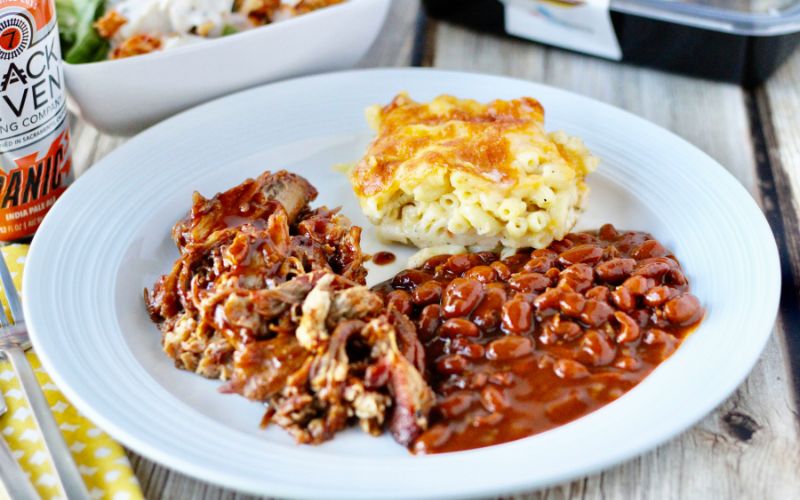
Good reheating also makes leftovers easier to reuse in sandwiches, tacos, nachos, and loaded baked potatoes. Avoid high heat, long timing, and rough mixing so the pork stays soft instead of dry or stringy.
For more practical leftover tips, TeaKoe’s guide on how to reheat pulled pork can help every serving taste rich, warm, and barbecue-ready again.